
 E-Paper



Iran is betting on the renminbi as a geostrategic lever against the US
This article is authored by Mehdi Hussain, former research associate, Indian Council of World Affairs, New Delhi.

 Prefer HTon Google


The talk of the renminbi has emerged once again in the American-Israeli war against Iran that began on February 28. Whichever way this war goes, at the heart of it lies the US weaponisation of the dollar to advance its geopolitical interests in West Asia. In such geopolitical conflicts, countries least aligned with the US are more likely to trade in Chinese renminbi.
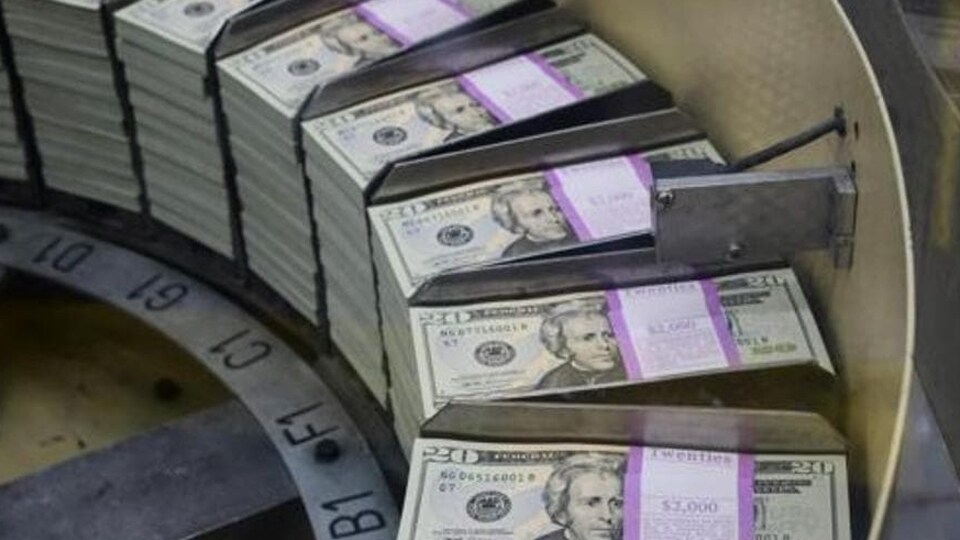
The global energy market is dominated by the US dollar, used to price and settle international oil transactions—a system often referred to as the petrodollar. However, recent developments in global geopolitics, particularly the ongoing America-Israel war, have prompted geo-economic strategies to counter this. Notably, Iran’s decision to conduct oil trade using the Chinese renminbi marks a significant challenge to the US dollar’s dominance. Iran’s move has impacted global finance and the broader geopolitics.
Iran has faced extensive US-led economic sanctions that restrict its access to global markets and limit the use of the US dollar in international banking. In response, Iran has sought alternative mechanisms to facilitate trade and circumvent sanctions, especially since the intensification of sanctions in 2012 and 2018. These measures include conducting barter trade, utilising cryptocurrencies for cross-border transactions, establishing bilateral trade agreements using local currencies, employing front companies and indirect shipping routes to secret oil exports, and increasing cooperation with countries willing to bypass US restrictions, such as China, Russia, Venezuela, and India. For example, in 2019, India paid for Iranian oil in rupees and through barter arrangements to circumvent banking restrictions. It is reported that Iran’s oil exports to China are relabelled as sourced from third countries such as Malaysia, Singapore, Iraq, and Oman. As a result of these strategies, Iran’s oil exports, which had dropped to around 400,000 barrels per day (bpd) in 2020, rebounded to over 1.5 million bpd by mid-2023 largely through sales to China and via indirect channels.
It is thus complementary to Iran’s adoption of the Chinese renminbi for oil trade, aligning with its longstanding strategy to reduce dependence on western financial systems and foster closer economic ties with non-Western powers, particularly China.
China, the world’s largest energy importer, has been strategically diversifying its global trade by importing oil from the US-sanctioned countries like Russia, Iran and Venezuela. It also engages in oil purchases in Chinese renminbi away from the US dollar, from Russia following the Ukraine-Russia war and Iran following the America-Israel war. China is thus the biggest beneficiary of pushing these countries out of the dollar-dominated energy market. Its Cross-Border Interbank Payment System (CIPS) also enables countries to trade directly in renminbi, bypassing the US dollar-dominated system and the Western sanctions. The renminbi gets a push from Iran’s consideration of opening the Strait of Hormuz if oil is traded in the currency.
As of February 2026, China held approximately $3.43 trillion in foreign exchange reserves. China has promoted the renminbi as a viable alternative, signing currency swap agreements and establishing yuan-denominated oil futures contracts. The internationalisation of the renminbi is accelerating, but it still accounts for less than 3% of global reserve currencies and 4% of global payments as of 2024. This indicates progress, but also highlights constraints such as capital controls and limited global trust in the renminbi. Iran’s willingness to accept the renminbi strengthens China’s efforts to internationalise its currency and enhances bilateral relations between the two countries.
The US dollar’s status as the world’s primary reserve currency confers significant economic and political advantages to the United States. As China and its geopolitical partners challenge this system, several scenarios are possible. If China accelerates efforts to reduce dollar holdings, expands CIPS as a SWIFT alternative, and aggressively promotes the renminbi in global trade—particularly with energy-exporting nations and BRICS+—the currency war could intensify. Such moves could increase renminbi usage, but also risk market instability and retaliation. Alternatively, China may maintain the status quo, diversifying gradually while keeping substantial dollar reserves for financial stability. In this scenario, renminbi usage grows incrementally but does not pose an imminent threat to dollar dominance. Ultimately, China is advancing preparations for a multipolar currency system, but is likely to act cautiously to avoid jeopardising its own economic interests. Nonetheless, the continued ditching of dollars in the oil trade weakens the leverage of the US sanctions through alternative access to international markets.
Iran’s decision comes amid heightened tensions in West Asia, particularly with the ongoing America-Israel war. By pivoting toward China, Iran is signalling its intent to align more closely with eastern powers and resist western pressure. This realignment could have profound effects on regional alliances, economic partnerships, and the future of global energy markets.
Iran’s closure of the Strait of Hormuz, which handles 20% of global oil and liquefied natural gas (LNG) supply, and its invitation to trading partners to use renminbi have led to visible signs of counterpressure against the US and its allies across regions. Violating the closure has led to military attacks on oil tankers. It is reported that the decline in the number of tankers crossing the Strait comes more from the expensive insurance in case of damage to tankers than the fear of being attacked. In either case, Iran is calling the shots, countering US allies in the war. The intensification of the war has led to crude oil prices surging above $100 per barrel.
Iran has maintained the Strait of Hormuz open for crude oil exports, but enemy countries face a $2 million passage fee. These actions have caused major global supply disruptions and driven oil prices up 50% since the war began. Despite the release of strategic reserves and US attempts to temporarily relax sanctions against Russian and Iranian oil sales, prices remain elevated due to reduced West Asian output and continued conflict. According to a BBC report, China is estimated to purchase nearly 90% of Iran’s oil exports to the global market.
Iran’s embrace of the Chinese renminbi for oil trade poses a strategic challenge to US dollar hegemony and the geopolitical status quo it maintains. While the immediate effects may be limited, the move highlights broader trends of de-dollarisation and shifting geopolitical alignments. The evolution of this dynamic will depend on the responses of other oil-producing nations, the resilience of the US-led financial order, and the ongoing interplay among global powers amid conflict and uncertainty.
This article is authored by Mehdi Hussain, former research associate, Indian Council of World Affairs, New Delhi.


