
 E-Paper



How to give old fabrics a new life in your home this festive season
With Diwali around the corner, you are probably looking for fresh ideas to decorate your space, and old textiles offer a perfect way to do it.

 Prefer HTon Google


Who says old fabrics have to stay tucked away in cupboards? That silk saree you have not worn for years, the velvet curtains that have softened over time, or those beautiful embroidered dupattas sitting untouched can all be given a new purpose in your home. With Diwali around the corner, you are probably looking for fresh ideas to decorate your space, and old textiles offer a perfect way to do it. Reusing fabrics is not just about being sustainable; it is also about creating a home that feels warm, personal, and full of stories.
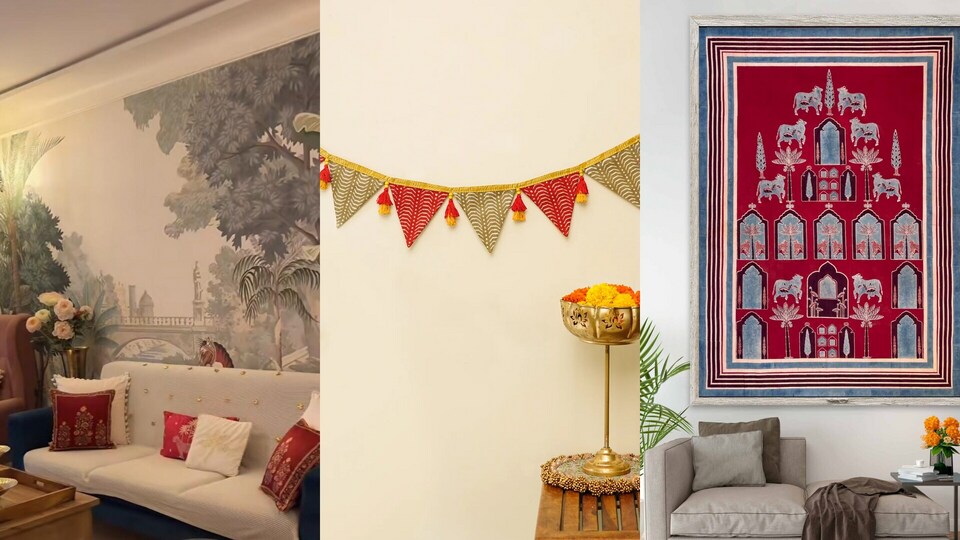
Interior designer Navya Dutta says, “Luxury today is about personality, details, and creativity, not just newness. Old fabrics let you experiment with colour, texture, and form while adding soul to your space.” Every cushion, throw, and small handmade accent turns a house into a home that feels lived in, loved, and truly yours.
Echoing this, Twinkle Khanna shared ideas on Tweak India's YouTube channel earlier this year for turning worn fabrics into home decor. She suggested using old sarees, scarves, kurtas, and cushion covers to make framed art, wall hangings, or decorative accents. “These can be family heirlooms that were about to fall apart and are now turned into works of art,” she said. Simple touches like these can instantly bring festive warmth, colour, and personality to any room.
Cushions that tell a story
Cushions are the easiest way to bring old fabrics back to life. Collect pieces from old sarees, dupattas, or kurtas and stitch them into covers. You can mix different textures and colours for a cheerful, layered look. A silk border next to a block print or brocade panel can make even a simple sofa feel stylish and cosy.
Patchwork cushions are another creative option. Cut leftover scraps into squares or rectangles and stitch them together to create patterns that are playful and unique. If the fabric is delicate, like chiffon or fine silk, layer it over cotton to give the cushion strength and a soft, luxurious feel. Even old blouse pieces, sleeves, or embroidered borders can be transformed into beautiful cushions.
For a no-sew option, wrap a scarf or shawl around a cushion and tie it neatly at the back. It gives a casual, relaxed look and can be swapped out whenever you like. Interior designer Akanksha Sinha says, “Old textiles have a charm that new fabrics rarely match. I love turning sarees or dupattas into cushions or throws. They add soul to a room and also keep memories alive.”
Walls with character
Fabrics can make walls more interesting and textured. Stretch a printed or embroidered textile over a wooden frame and hang it as art. You can also frame small pieces like lace, kantha embroidery, or vintage printed fabric. Even a few framed squares together can turn a plain wall into a colourful, textured gallery.
Large panels or sarees can also be used as tapestries behind a sofa or bed. This instantly creates a statement in the room without the need for heavy paintings or decorations. Changing the display is simple and can refresh the room whenever you want.
Giving furniture a new look
Old fabrics can completely transform furniture. Use silk, cotton, or velvet to reupholster chairs, stools, or a headboard. The slightly faded colours and worn textures create character and warmth that new fabrics often lack. Even covering a small accent piece, like a dining chair seat or ottoman, with an old saree can elevate the room instantly.
Small details that make a big difference
Tiny touches using fabric can have a surprising impact. Wrap old cloth around lampshades, line drawers with colourful fabric, or use scarves as table runners. Scrap pieces can be stitched into placemats, coasters, or festive torans. Jars, trays, or vases wrapped in fabric immediately look unique and personal.
For those who enjoy DIY projects, curtain ties, headboard panels, and fabric chandeliers are simple ways to incorporate textiles creatively. Handmade touches like these bring warmth and personality to a home in a way that nothing new can replicate.


