
 E-Paper



6 Easter goodies that are baked specially for this festival
This Easter, galavant around the world and learn about the traditionally baked goodies made specially for this festive occasion

 Prefer HTon Google


Steeped in tradition, Easter is a festival that is celebrated all over the world. And no festival is complete without a table laden with food, sweets and baked goodies. While Easter eggs are the poster kid of this festival, people also prepare several different kinds of breads, cakes and everything in between that are symbolic of the crucifixion, and resurrection of Jesus Christ.
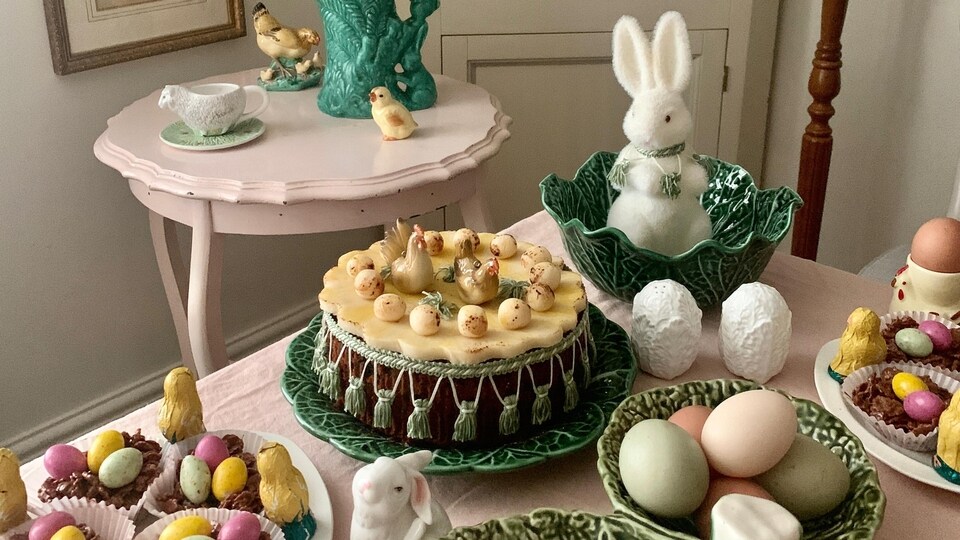
Here is a look at some of them:
Inri Appam, India
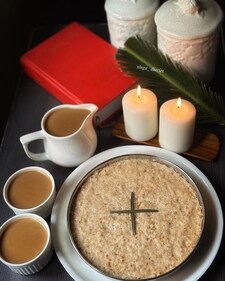
Made in the state of Kerala, Inri appam also known as Pesaha appam or Kurisappam, this firm rice cake is served on the night of Maundy Thursday. The name alludes to the letters (INRI is Latin for Iesus Nazarenus, Rex Iudaeorum or Jesus the Nazarene, King of the Jews) on the sign on the crucifix that is placed above Jesus Christ’s head. At home after mass, the head of the family cuts the appam, dips it in paalukurukku (syrup) or pesaha pal (coconut milk), and serves it to the other family members.
Hot cross buns
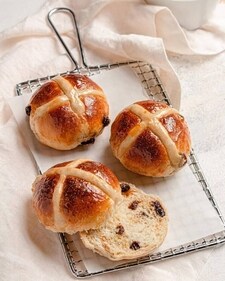
A beloved Easter tradition in many parts of the world that marks the end of the season of Lent, the origins of hot cross buns are not clear. They are usually eaten on Good Friday for breakfast and even on Easter, in the UK, Ireland, Australia, New Zealand, Canada and even in India, South Africa and Pakistan. The buns can be made with sourdough and brioche along with a typical bread dough, too. Raisins and currants, dried fruits, tutti-fruit, and chocolate chips are mixed into the dough along with spices like cinnamon, nutmeg, and cloves. Before it is baked, a cross made with firmer flour dough is placed on top of each bun to symbolise the crucifixion of Jesus Christ.
Paska and Babka, Poland
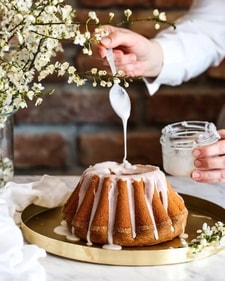
A mainstay of the Święta Wielkanocne (traditional basket of food that’s blessed during Easter Mass), the Babka is a Jewish-Polish bread that originated in Eastern Europe – Poland and Ukraine in particular – in the early 1800s. It is tall and yellow cake that’s made using a lot of eggs. However, another way to make it is by swirling cinnamon sugar, fruit jam or chocolate into leftover challah dough. The Paska is a cousin of the Italian Panettone and literally means Easter or Passover. This is also added to the Easter basket along with butter, salt, sausage, eggs, etc, - used to make breakfast on Easter Sunday. Symbolising Jesus Christ, the “living Bread”, a paska also has a braid on top that forms a cross.
Mona de Pascua, Spain
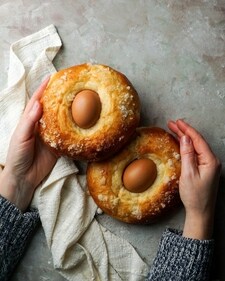
This traditional Spanish bread is prepared during the festival and is gifted by godparents to their godchild on Easter Sunday. One hard-boiled egg is added on top of the cake until the child turns 12, (the age they receive the sacrament of First Holy Communion). The Easter Mona is savoury and formed into a tortel (a large ring). In the 1783 edition of the dictionary of the Royal Spanish Academy, the Mona is defined as: "Cake baked with eggs in their shell at Easter, known in other parts of the Iberian Peninsula as Hornazo". However, a much older legend states that this bread can be traced to ancient Greece and the celebration of Mounichia, a spring festival that honoured the Goddess Artemis and she was offered cakes topped with small candles.
Simnel Cake, United Kingdom
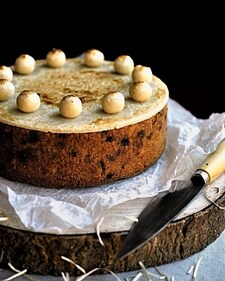
Making for a pièce de résistance at any Easter table, the simnel cake derives its name from the Latin word ‘simila’ (a fine wheat flour originally used to bake it). It features an Easter favourite - marzipan (an almond or cashew paste used in cakes and Easter eggs) that’s baked into its middle. Eleven marzipan balls are placed on it to symbolise Jesus Christ’s apostles, which remind us of their friendship and loyalty to him. A lighter and more sweeter version of the traditional Christmas fruit cake, similar ingredients are used to make this centuries-old cake. One of its earliest references dates back to the 17th century in a poem.
Pane di Pasqua, Italy
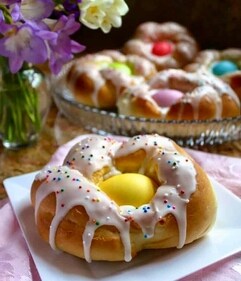
While some parts of Italy and Spain (Easter mona or Mona de Pascua) bake a savoury version with meat, sausage, salami or eggs, Pane di Pasqua which is sweet bread topped with sprinkles, and coarse or icing sugar is popular. Made from a brioche dough, it i braided, like the Jewish challah, and formed into a circle. This is symbolic of the crown of thorns that was placed on Jesus Christ’s head. A few dyed eggs are placed in the dough as a reminder of spring and the season of new life. Candied or dried fruits, citrus, nuts, and star anise may mixed into the dough before baking.


