
 E-Paper


Homemade soda bubbles up as a new kitchen trend
With searches for homemade soda soaring, a new generation of home brewers are experimenting with fruit, fermentation and ginger bugs to make their own fizz.

 Prefer HTon Google


Move over kombucha, homemade soda is bubbling up as the latest kitchen experiment. In India, searches for “homemade soda” on Google have risen by more than 5,000% over the past month, while global interest has climbed 130%. On social media, reels on #homemadesoda and #fermentedsoda are pulling in millions of views, as people experiment with fruit, ginger bugs and fermentation.
Why are people fascinated?
For some, it is a way to cut back on packaged soft drinks. For others, it is an analogue hobby to tinker with at home. Sahana Acharya, 28, started making homemade soda to reduce her dependency on soft drinks. The internet offered an unlikely solution. “I found a reel where the creator was making pineapple tepache (a lightly fermented Mexican drink made from pineapple rinds), and I was intrigued,” she says. Her first attempt worked, leaving her hooked on flavours, from jackfruit and mangosteen to rambutan and pineapple.
Mumbai-based digital creator Vinita Mungi started experimenting with homemade soda out of curiosity for fermentation. She had considered making kombucha but found the process a little too finicky. “Because it usually starts with a caffeinated tea base, I wanted to try something caffeine-free. That’s when I discovered ginger bug, a fermentation starter that can be made at home. It seemed much simpler and more intuitive, which is exactly how I like to cook,” says the 31-year-old.
Since then, soda-making has become an ongoing flavour experiment, with the unpredictability adding to the fun. “I genuinely enjoy waking up and checking the bottles to see how fizzy they’ve become,” she says. Occasionally, she lets the fermentation get a little dramatic. “Every now and then I even intentionally let one dramatically foam over because the reaction is so satisfying!”
How to DIY your own soda
Start with a ginger bug: Take 1 tbsp sugar or jaggery, 1 tbsp grated ginger and 1 cup warm water. Add everything to a clean glass jar. For the next five to six days, add 1 tbsp jaggery and 1 tbsp grated ginger daily. Once the mixture is frothy and has a fermented smell, it is ready to use.
Turn it into soda: Mix 1 cup fresh fruit juice with 1–2 tbsp active ginger bug in a bottle designed to withstand carbonation. Leave some room at the top, seal and check regularly as it ferments. Once fizzy, refrigerate before serving.
Celebrity chef Neha Deepak Shah says, “This is kombucha’s cousin and does the same job. It’s a lot easier to make. Once you make the bug, you can use it for all your sodas.”
She recommends consuming homemade fermented soda within three days of fermentation. Fruit rinds can also be used to make soda, but a ginger bug speeds up the fermentation process.
Flavours you can try
Shah recommends sterilising the jar with hot water and using boiled, cooled water before starting. Once your starter is ready, experiment with flavours such as:
- Lemon, ginger and mint: A fresh, zesty blend
- Pineapple, ginger and chilli: A spicy kick
- Strawberry and basil: Fruity and aromatic
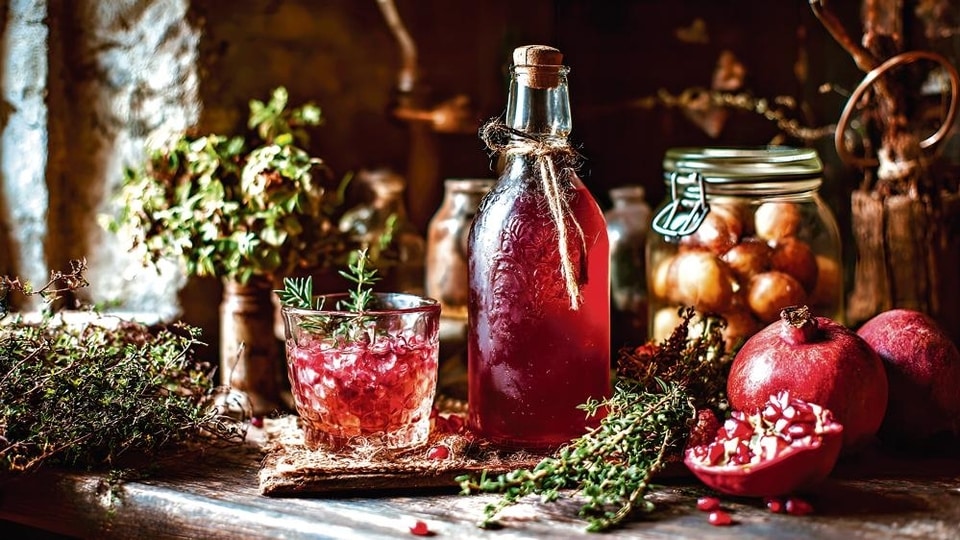
- Pomegranate and mint: A vibrant blend with a slight tang
- Orange and cardamom: A citrusy soda with an Indian twist
- Cucumber, lime and ginger: A light, crisp blend
Are these homemade sodas healthy?
Kiran Dalal, chief dietitian at Fortis Escorts Hospital, Faridabad, says, “Homemade soda made with plain sparkling water, fresh fruit, herbs, spices or natural flavours can be a refreshing, low-calorie alternative to sugary soft drinks. However, avoid adding generous amounts of sugar, honey, syrups or sweetened fruit concentrates as it can substantially increase calories and negate the advantage.”
Anshul Singh, Team Lead, Clinical Nutrition & Dietetics Department, Artemis Hospital Gurugram, adds, “Fermentation may benefit gut health, depending on the microbes present, but not all fermented drinks contain beneficial probiotics. Homemade versions can also vary considerably in acidity and carbonation, unlike commercially produced beverages. People with sensitive stomachs may find that the acidity and carbonation cause bloating or discomfort.”


