
 E-Paper



World Photography Day: How to preserve your prints for generations
Printed photographs have always had a charm of their own. On World Photography Day, experts share simple ways to protect your favourite prints from damage.

 Prefer HTon Google


There’s something special about a photograph you can actually hold - whether it’s tucked into a family album, framed on a wall or slipped into a scrapbook. And while digitising important photographs is the safest way to ensure the memory isn’t lost, a digital copy can’t quite replace the feeling of holding the original.
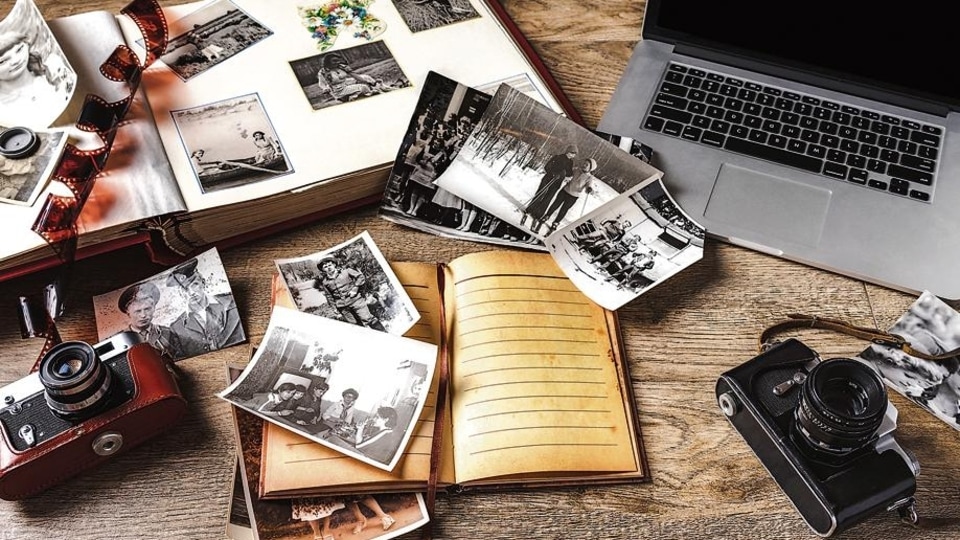
That’s why the physical print deserves some care too. Sunlight, heat and moisture can gradually affect photographs, while the wrong kind of plastic or repeated handling can cause damage over time. The good news is that preserving them doesn’t mean creating a professional archive at home. From choosing the right album to knowing where to store your prints, here’s how to keep your favourite photographs in good shape for generations.
Start with where you store them
The most important thing is choosing the right spot. A cool, dry cupboard inside your home is a better choice than an attic, garage, balcony or storeroom, where heat and humidity can fluctuate. “The most simple hack is to keep them away from sunlight, heat and moisture. You don’t need to do anything too complicated. A decent album or box, kept inside a cupboard in a cool, dry room, is probably the easiest thing. Avoid placing albums directly beside windows or anywhere they could be exposed to prolonged sunlight,” says fashion and celebrity photographer Rahul Jhangiani.
“These days image storage boxes are available and they come with dehumidifiers,” adds Virendra Shekhawat, founder, Delhi Photography Club. In homes where humidity is a concern, he recommends using these boxes to help keep moisture under control.
Choose your album carefully
That inexpensive plastic album might seem convenient, but it isn’t necessarily the best long-term home for your photographs. “Look for albums, boxes and sleeves labelled acid-free, archival or photo-safe. Do not use cheap quality plastic wraps and tapes, so that the film is not transferred to plastic sheets,” says Shekhawat. If you’re framing a photograph, he suggests replacing ordinary glass with acrylic, including UV-filter acrylic where available, to offer greater protection from light.
Handle old prints with care
Old photographs need to be handled with care. “We all pick up old photographs and pass them around, but over the years all that touching can gradually leave oils, fingerprints and marks on the surface. Handle them by the edges as much as possible, rather than touching the image itself. And once you’ve organised your collection, try not to keep taking the prints in and out of storage unnecessarily,” says Jhangiani.
If you’re sorting old photos, work in small batches and store them as you go. For loose prints, both experts suggest placing acid-free paper between photos to prevent sticking or rubbing. For photographs that are stuck together or to an album, don’t force them apart, as this can damage the image layer; gently use tweezers instead. Also, keep negatives with their corresponding prints or clearly labelled in protective sleeves. They can help recover the image if the original print is damaged.
What if your photographs get wet?
“If the photos get wet, avoid drying them in sunlight. While it may seem like the quickest way to dry a wet photograph, direct sunlight can cause further fading and damage. Instead, let the print dry slowly and away from harsh light. Put them in a closed container and pour some rice over them. Rice will take away moisture. This is a homely tip and it is slow,” says Shekhawat. He continues, “Otherwise, putting and spreading them below a slow fan will also help, but again, strict no to light or sun.”


