
 E-Paper



Condom prices face war-time pressure
Global supply disruptions amid the ongoing Gulf War are pushing up production costs, setting the stage for a potential price rise in condoms.

 Prefer HTon Google


As supply chains tighten under the strain of the ongoing Iran war, condom manufacturers are preparing for an increase that could soon filter into the market. At the centre of this shift is Karex Berhad, the world’s largest condom producer, which manufactures over five crore units annually. The company supplies to major global brands like Durex and Trojan, as well as public health systems and international aid programmes. It is now planning a price increase of 20 to 30 per cent, and possibly further, if supply chains continue to be disrupted because of the war.
Speaking to Reuters, Karex Berhad's Chief Executive Officer Goh Miah Kiat said, "The situation is definitely very fragile, and prices are expensive. We have no choice but to transfer the costs right now to the customers."
Why are condoms under pressure?
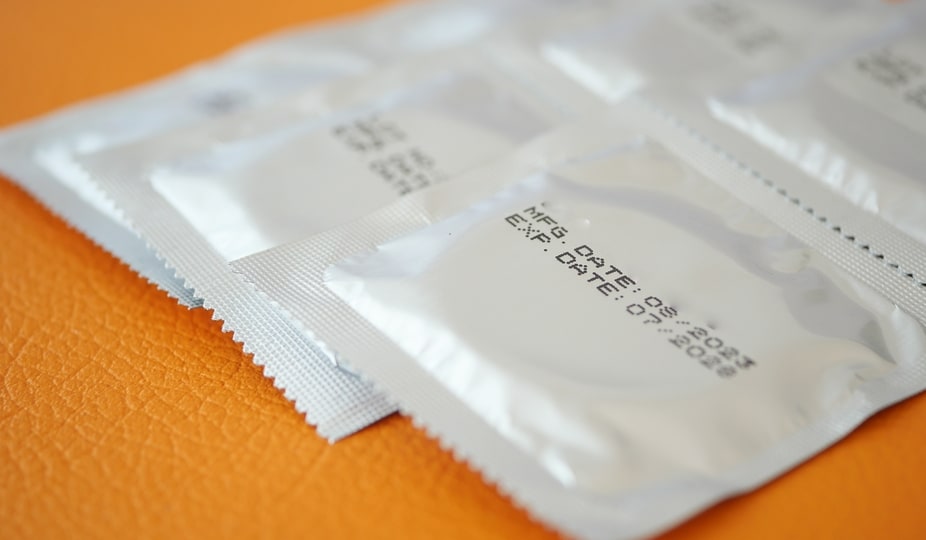
The stress point lies in raw materials. Condom manufacturing relies heavily on petrochemical derivatives such as synthetic rubber and nitrile for the base material, along with lubricants and packaging inputs like aluminium foil.
Key components such as ammonia and silicone oil have seen price spikes of roughly 40–50 per cent. Ammonia plays a key role in processing latex and rubber, helping stabilise and treat the material during manufacturing, while silicone oil is used as a lubricant, ensuring the final product meets safety and usability standards.
India’s ₹8,000 crore condom manufacturing industry is also starting to feel the strain, as supply chains for critical raw materials tighten and slip into bottleneck territory.
What are users saying on social media?
The development has triggered a mix of disbelief and dark humour. As news of a potential price hike circulates, users are reacting to how geopolitics is colliding with something as everyday as condoms. One user said, "Cue a population surge." A second user wrote, "Geopolitics really said: nobody’s safe." A third user commented, "Geopolitical risk finally reaching its funniest supply chain."
(Written by Snigdha Oreya)


