E-Paper



ZyCoV-D likely to be rolled out in vaccine drive soon: Official
Union secretary for health and family welfare Rajesh Bhushan said the government was in talks with the vaccine manufacturer regarding pricing and procurement


A second Indian vaccine for Covid-19, ZyCoV-D, will be included in the immunisation campaign “very shortly”, officials said at the health ministry’s briefing on Thursday, and the drive is likely to be opened up to children 12 years old and above, other people aware of the matter added separately.
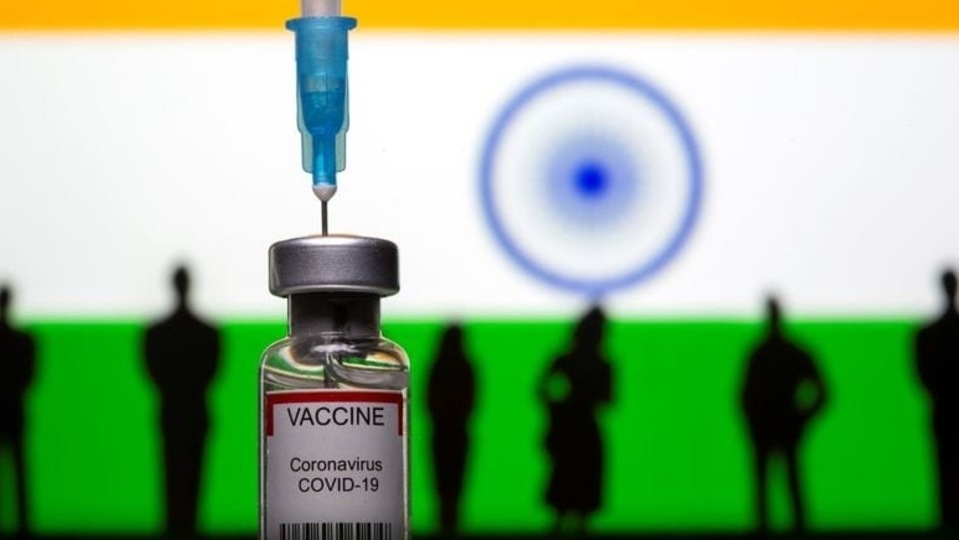
ZyCoV-D has been granted an emergency use authorisation by India’s drug regulators after interim clinical trial data showed is was 66% effective in preventing symptomatic Covid-19. The trial included volunteers in the 12-18 age group and was among the first doses in the country to have shown to be safe and efficacious in children.
Union secretary for health and family welfare Rajesh Bhushan said the government was in talks with the vaccine manufacturer regarding pricing and procurement. “As far as the price of the vaccine at which it will be procured is concerned, we are in conversations with the manufacturer. Since it is a three-dose vaccine and comes with a needleless delivery system, it would have a differential pricing than the existing vaccines that are being used in the Covid-19 vaccination drive,” said Bhushan during the media briefing.
“It will be introduced in the programme (Covid-19) very shortly,” Bhushan added.
A person aware of the matter separately said the vaccine will likely be offered to 12-18 year-olds as well.
Union health minister Mansukh Mandaviya, while announcing that India will restart vaccine exports in the quarter beginning October, said in a statement on September 20 that manufacturers were going to make nearly 300 million doses available for use in October.
Globally, at least 50 countries have begun giving doses to children. In most cases, children above the age of 12 are being inoculated. The shots being used for these ages are typically the Pfizer-BioNTech and Moderna doses – both have shown to be safe in children and their efficacy has been established.
In India, makers of Covaxin and the Novavax vaccine are carrying out supplementary – also known as bridging -- trials in children. In adults, India has largely been using Covishield and Covaxin.
“The production is going to go up further in the next quarter with the Zydus vaccine doses also getting added in some time. The supply lines have been streamlined...,” said a second senior government official aware of the matter, requesting anonymity.
On the issue of Covaxin’s pending recognition by the World Health Organization, ICMR director general, Balram Bhargava said: “We know that scientific data, public health considerations and international health requirements are all considered on which the clearance is given by the WHO. All these have been provided and are being looked at.”
The country has administered at least one vaccine dose to 69% of the adult population since January 16, when the drive began. At least 25% of the population is fully vaccinated, according to the government data released on Thursday.