
 E-Paper



5 lesser known facts about Siachen, the world’s highest battlefield
The Indian Army is considering a proposal to allow civilians to visit Siachen glacier to gain first-hand experience of the tough conditions in which soldiers operate.


The Indian Army is considering a proposal to allow civilians to visit Siachen glacier to gain first-hand experience of the tough conditions in which soldiers operate. Here are five things you must know about the world’s highest battlefield:
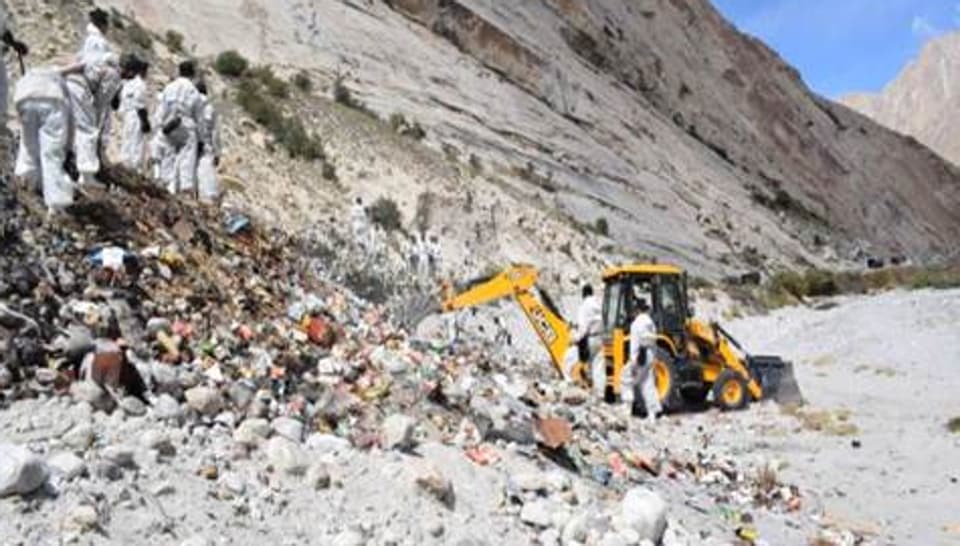
1. Siachen is strategically important because so long as it is in India’s control, the Pakistani army can’t link up with the Chinese and pose a threat to Ladakh. It acts as a wedge between the Shaksgam Valley under Chinese control and Baltistan, which is occupied by Pakistan.
2. India, which spends Rs 5 to Rs 7 crore daily on guarding the glacier, has deployed around 3,000 soldiers at Siachen, where temperatures can drop to minus 60 degrees Celsius.
3. More than 1,000 soldiers have died guarding the area since the army took control of the inhospitable glacier in April 1984, almost twice the number of lives lost in the Kargil war. While about 220 men have been killed in firing from the Pakistani side, the other casualties have been caused by extreme weather and treacherous terrain.
4. Usually, a soldier serves about three months on the glacier where some posts are located at an altitude of more than 21,000 feet. Soldiers have to trek for almost 28 days, covering a stretch of 128km to reach some of the farthest pickets on the glacier.
5. India currently occupies dominating positions on the Saltoro ridge with Pakistani posts located 3,000 feet below. Several rounds of talks between India and Pakistan on demilitarising the glacier — a contentious issue in bilateral ties — have failed, with Islamabad refusing to authenticate troop positions on the ground.


