E-Paper



Nearly 220 million children of South Asia breathe toxic air: Unicef
Nearly 220 million children of South Asia breathe toxic air in some of the most polluted regions in the world including India, an analysis by the Unicef shows, deepening worries over health of minors in several parts of the country.

 Prefer HTon Google


Nearly 220 million children of South Asia breathe toxic air in some of the most polluted regions in the world including India, an analysis by the Unicef shows, deepening worries over health of minors in several parts of the country.
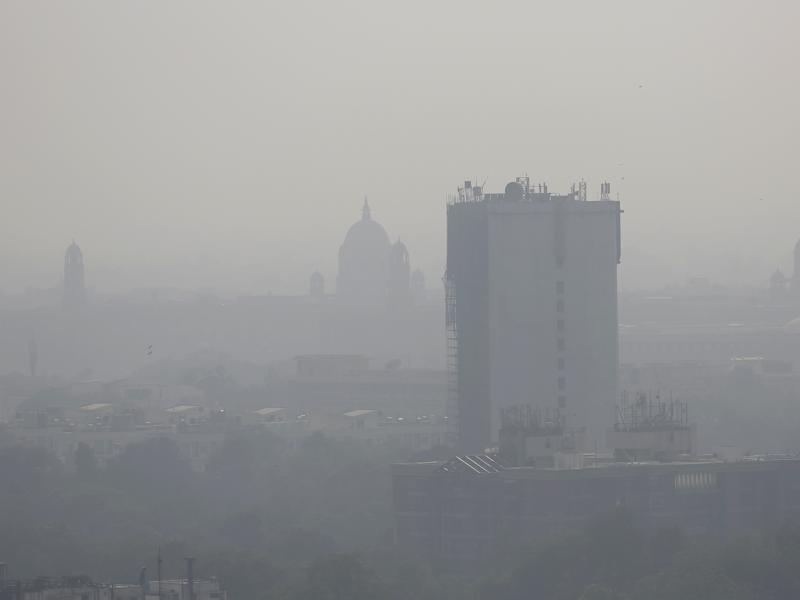
The Unicef’s ‘Clear the Air for Children’ report, a first-of-its-kind analysis based on satellite imagery, was released on Monday amid a sharp spike in air pollution in Delhi and other cities of North India after the Diwali festivities.
“Around 300 million children currently live in areas where the air is toxic – exceeding international limits by at least six times. In total, around 2 billion children live in areas that exceed the World Health Organisation annual limit…,” the reports says.
Read | Unicef’s ‘clear the air’ report: Government watches as we breathe toxins
Four Indian cities—Gwalior, Allahabad, Patna and Raipur -- are among top 10 cities in the world with high particulate matter levels in the air, highlighting the fact that many of the most polluted places in the world are no longer megacities and capitals but medium-sized cities, suburban and manufacturing centres. Indoor pollution is equally high.
Most urban centres in north India are blighted by high pollution during winters when crop residue burning by farmers in states such as Punjab, Haryana and Uttar Pradesh fill the air with thick smoke.
Track pollution levels in your city with this real-time air quality map
According to Unicef, the factors responsible for outdoor air pollution include vehicle emissions, heavy use of fossil fuels, dust and burning of waste.
Air pollution is linked not only to diseases that kill, but also with poor health and morbidity among millions more children. It causes difficulty breathing. Studies show it is linked with asthma, bronchitis, airways inflammation and even eye irritation.
The findings come a week ahead of the Climate Change Conference in Marrakesh, Morocco, where Unicef will likely call on world leaders to take urgent action to cut air pollution in their countries.
Read | There must be a blanket ban on crackers. Here’s why
“The sheer numbers of children affected are staggering...Many of these children are already disadvantaged by poverty and deprivation. Some are already at heightened risk from conflicts, crises and the intensifying effects of climate change,” Unicef executive director Anthony Lake said in the report.
The affected areas have been categorised based on the quantum of particulate matter – tiny matter which can penetrate deep into the lungs – present in the air.
Every year, nearly 600,000 children under the age of five die from diseases caused or exacerbated by the effects of indoor and outdoor air pollution.
“More than 60% of the population in India continue to use solid fuels in household cooking – contributing to over 100,000 child deaths associated with indoor air pollution in 2012,” the reports says.
According to a recent WHO report, Delhi was ranked among the top 20 cities worst-affected by pollution globally.
In pics | Festival of smog: Delhi chokes the morning after Diwali
With agency inputs