
 E-Paper



79 people died due to heatwave in April-June, says health ministry
Heat-related deaths were lower in the previous two years because pandemic lockdowns forced people to stay at home, limiting their exposure to high daytime temperatures, the health ministry said.

 Prefer HTon Google


As many as 79 person died due to heatwaves between April and June and over 3,400 reported illnesses attributed to the unbearably high temperatures during the period, the health ministry has said in a report. The toll is set to only increase in the coming years as climate change leads to increasingly hotter summers, experts said.
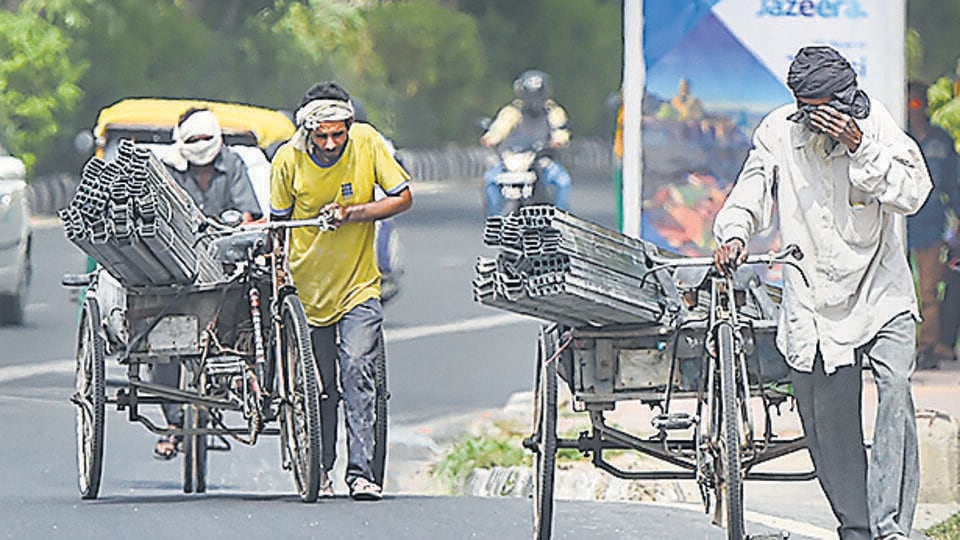
The abnormally high temperatures in the three months to June led to 3,460 seek medical care, according to the special report to assess the health impacts of severe heatwaves across the country, especially over northwest and central India.
There were no deaths due to heatwaves in 2021, India Meteorological Department data show, whereas 27 such deaths were reported in 2020 and 505 deaths in the year before that.
Also read: Top brands face heat for deceptive Covid-19 advertisements, fined
Heat-related deaths were lower in the previous two years because pandemic lockdowns forced people to stay at home, limiting their exposure to high daytime temperatures, the ministry said.
“This is a special report being prepared for the first time to study the health impact of heat this season. It will help understand the intensity of high temperatures and its impact on people,” a ministry official said, requesting anonymity.
Out of the 79 people who died between April and June from excessive heat, the reason for deaths in 23 instances can be directly traced back to high temperatures, said the report. For the remaining 56, death occurred after their existing medical conditions, such as high blood pressure, heart condition or old age-related ailments, among others, worsened because of the heatwaves.
The report did not look into the impact of the severe heatwaves in March as the authorities consider April to be the start of the summer season in India.
India this year reeled under extremely high temperatures in March. The country recorded 203 heatwave days this year, which is nearly five times more compared to the entirety of 2021, when only 36 such episodes were recorded, according to the earth sciences ministry.
The worst affected states included Uttarakhand, which recorded 28 heatwave days followed 26 such days in Rajasthan and 24 days in Punjab and Haryana, the ministry told Parliament on July 27. Other states that made it to the list included Jharkhand (18 days), Delhi (17 days) and Uttar Pradesh (15 days).
Exposure to extreme temperatures can lead to heatstroke and exhaustion, especially among senior citizens, children and people with pre-existing medical conditions, experts said.
There are various levels of heat-related illnesses, according to Dr Dileep Mavalankar, head of the Indian Institute of Public Health, Gandhinagar. These include mild, which is often seen in the form of prickly heat or rashes; moderate, where people can get heat cramps or get giddy; and finally, heat exhaustion and heatstroke.
“Heat-related illness and deaths keep happening every year, but our death recording is not up to the mark,” Dr Mavalankar said. “We have data on temperatures, but we do not have proper data on heat-related mortality. Many hospitals do not even have the proper equipment to trace deaths to heatwaves.”
Also read: Climate crisis behind heat extremes in India, UK: Study
Mahesh Palwat, vice-president (meteorology and climate change) at Skymet Weather Services, said that every year temperatures globally are increasing. This year, however, many countries that did not require cooling devices in houses and other buildings because of the usually cooler temperatures also experienced high heat.
“Every year global temperatures are rising and while climate change is the larger phenomena at play here, we can say for sure only when such trends are seen consistently for three-four years more. In India, we see that while temperature recordings during April and May are higher, the heat in June is much more fatal because of the presence of humidity in the atmosphere. In the impact of moisture, our body is unable to cool down as quickly as it does in dry heat and that tends to become fatal for people,” Palawat explained.


