
 E-Paper



9 Pak terror camps flattened in 25 minutes: How India hit back after Pahalgam attack
Named Operation Sindoor, the high-intensity strikes occurred between 1.05 am and 1.30 am on May 7, as a synchronised action by Indian Army, Navy, and Air Force.

 Prefer HTon Google


In a swift and precise military offensive which lasted for about 25 minutes, India, early on Wednesday, struck nine terror camps deep inside Pakistan and Pakistan-occupied Kashmir (PoK).
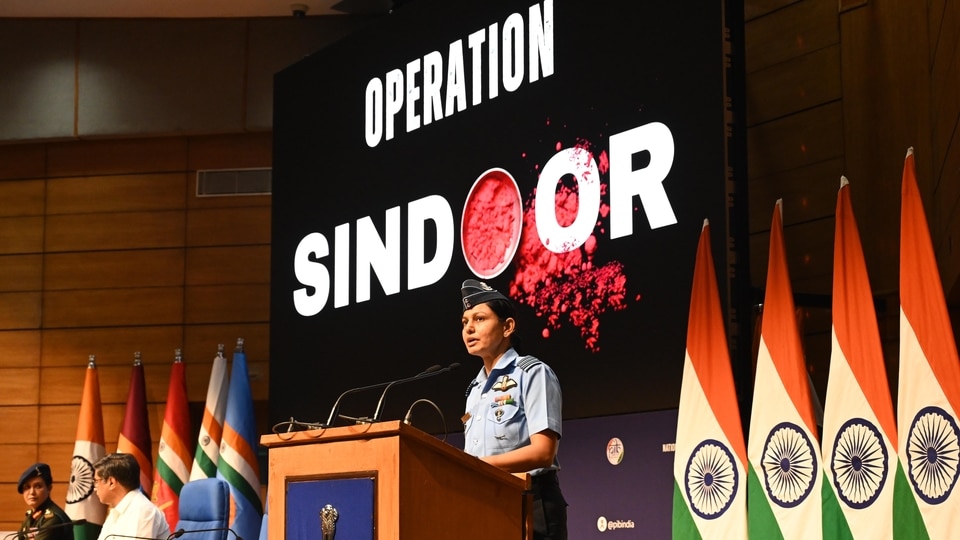
Named Operation Sindoor, the high-intensity strikes occurred between 1.05 am and 1.30 am on May 7, as a synchronised action by the Indian Army, Navy, and Air Force.
Operation Sindoor LIVE: India says strikes didn't hit civilians; Pak shelling kills 15 in J&K
As reiterated by the Indian government and the Armed Forces, these strikes were a direct and calculated response to the April 22 terror attack in Pahalgam, which left 26 people dead and dozens injured.
Timeline and targets of Operation Sindoor | Full details
Sawai Nala Camp, Muzaffarabad
Located in Pakistan-occupied Jammu and Kashmir, Sawai Nala Camp was located 30 Km from on Line of Control in the Tangdhar Sector. It was a key training facility of Lashkar-e-Taiba. It was destroyed between 1.05 am to 1.30 am.
According to the Indian Army, the attack on civilians and Security Forces in Sonmarg and Gulmarg on October 20, 2024 and the Pahalgam attack on April 22, 2025, were carried out by the terror module, which had its germination at Sawai Nala.
Syedna Belal Camp, Muzaffarabad
Located in Pakistan-occupied Jammu and Kashmir, the Syedena Belal Camp was a Jaish-e-Mohammad terrorist camp, which was being used as a staging area.
First visuals of Operation Sindoor: Watch Indian forces destroy terror camps in Pak
This camp was used to train terrorists in weapons, explosives and jungle cum survival techniques for carrying out terrorist activities across Line of Control in Kashmir region, the Armed Forces said.
Gulpur Camp, Kotli
Located 30 kilometres from the Line of Control, Gulpur camp was the base for LeT terrorists operating in Rajauri-Poonch. Attacks in Poonch on 20 April 2023, and an attack on innocent pilgrims travelling in a bus on 09 June 24 were conducted by terrorists trained in Gulpur.
According to the Indian Army, Zaki-ur-Rehman Lakhvi, the 26/11 master mind, frequently visited this camp for indoctrination and motivational speeches.
Abbas Camp, Kotli
Located about 13 kilometres from the Line of Control opposite Rajauri, it was known as the nerve centre for the training of suicide bombers of LeT. This camp had key terrorist training infrastructure for about 50 terrorists.
The Indian Armed Forces targeted this terror facility at 1:04 am.
Barnala Camp, Bhimber
The Barnala camp was located 9 km from the Line of Control opposite Rajauri-Poonch Sector. This terror facility was used for providing training to terrorists in weapon handling, IED making and jungle survival techniques.
Sarjal camp in Pakistan's Sailkot
The Sarjal camp, which is located about six kilometres from the International border opposite Samba-Kathua, was destroyed under Operation Sindoor on Wednesday.
The terrorists who killed four personnel of the Jammu and Kashmir Police in March 2025 were trained and launched from this camp.
Mehmoona Joya Camp in Pakistan's Sialkot
This camp was located around 12 Km from the International Boundary, near Sialkot and was a key training facility of the Hizbul Mujahideen.
As per the Indian Army, this camp was being used as the control centre for the revival of terrorism in the Kathua and Jammu region. Major terrorist attacks, including the attack on Pathankot Air Force Base, were planned and directed from this camp.
Markaz Taiba, Muridke
One of the key terror camps destroyed in today's military strike, Markaz Taiba, was the headquarters of Lashkar-e-Taiba led by Hafiz Syed.
Located around 25 kilometres from the International Boundary, several terrorists, including the 2008 Mumbai attacks accused Azmal Kasab, were trained here.
As per the inputs, it was revealed that the Mumbai terror attacks mastermind, David Coleman Headley, also received training at this camp.
Markaz Subhan, Bahawalpur
Located around 100 Km from the international border, Markaz Suban was the headquarters of Jaishe-Muhammad. This camp was used for the recruitment, training and indoctrination of Jaish terrorists.
The facility was frequently visited by the terrorist commanders, including Masood Azhar, who issued directions to their cadre from this camp. The UN-designated terrorist later claimed that 10 people from his family were killed in today's strike.


