
 E-Paper



Adjudicating during Covid pandemic: Judges weigh in
In his address, Justice Sanjay Kishan Kaul spoke of the global threat where a de facto emergency-like situation could occur without resorting to emergency provisions. As many as 13 countries imposed an emergency on account of the extraordinary situation due to Covid-19.

 Prefer HTon Google


Decades after the 1975 Emergency, four judges of the Supreme Court on Saturday recalled how the Covid-19 pandemic presented a somewhat similar situation before the courts which had to adopt a much finer line of judicial review to scrutinise state actions that curbed fundamental freedoms of individuals without resorting to emergency powers.
Recalling these times when the country saw frequent lockdowns, restriction on movement of citizens and enhanced power of the executive, Justice DY Chandrachud said, “Even as emergency in the constitutional sense was not declared in India, several executive and legislative actions were initiated to meet the extraordinary challenge of our times. It became incumbent upon courts that state action is a rational means to secure a legitimate aim with least infringement of fundamental rights of individuals.”
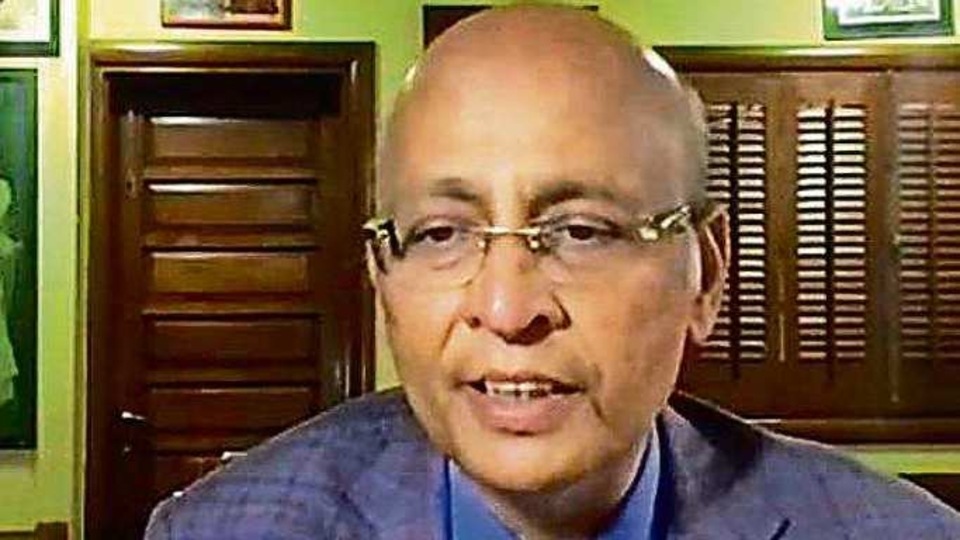
The judge was speaking at an online event organised to release a book “The Law on Emergency Powers: Comparative Common Law Perspectives” written by senior lawyer and Member of Parliament Abhishek Manu Singhvi along with Khagesh Gautam, a professor of law at Jindal Global Law School. The book was originally the doctoral thesis submitted by Singhvi during his studies at Trinity College, Cambridge, almost four decades ago. It was reviewed by Gautam and reproduced in the contemporary context.
Releasing the book, Justice NV Ramana, the most senior judge of the Supreme Court after the CJI, said, “Emergency had a long-lasting impact on generations,” recalling how those years shaped him personally to be part of the civil liberty movement. The book analysed the concept and need of emergency powers, martial laws, military action in aid of civil authority by making a comparative analysis of the law existing in common law jurisdictions in India, the US and the United Kingdom.
Justice Sanjay Kishan Kaul recalled the ADM Jabalpur case of 1976 where a majority bench refused to act against the executive action to suspend fundamental rights during the Emergency. This decision was overruled by a majority ruling of a nine-judge Supreme Court bench in the KS Puttaswamy case on August 24, 2017 by which the right to privacy was declared a fundamental right.
In his address, Justice Kaul spoke of the global threat where a de facto emergency-like situation could occur without resorting to emergency provisions. As many as 13 countries imposed an emergency on account of the extraordinary situation due to Covid-19. However, in the Indian context, he said the balance between public health and rule of law was maintained.
Justice Surya Kant, the fourth judge to speak on the occasion, noted that no formal emergency was declared during the Covid-19 pandemic. He felt that the real issues facing countries in the contemporary context were terrorism and domestic unrest and to deal with them, nations were using ordinary laws and delegated powers instead of emergency provisions.


