E-Paper



After farmer protests, FSSAI agrees to revisit Organic Food regulations
FSSAI didn’t seem to have factored in details such as lack of adequate certification agents, technical glitches while handling websites etc., necessary for successful implementation.


Country’s top food regulator— Food Safety and Standards Authority of India (FSSAI) -- is considering watering down its regulations on organic food that kicked in from July 1 this year, after farmers’ protests.
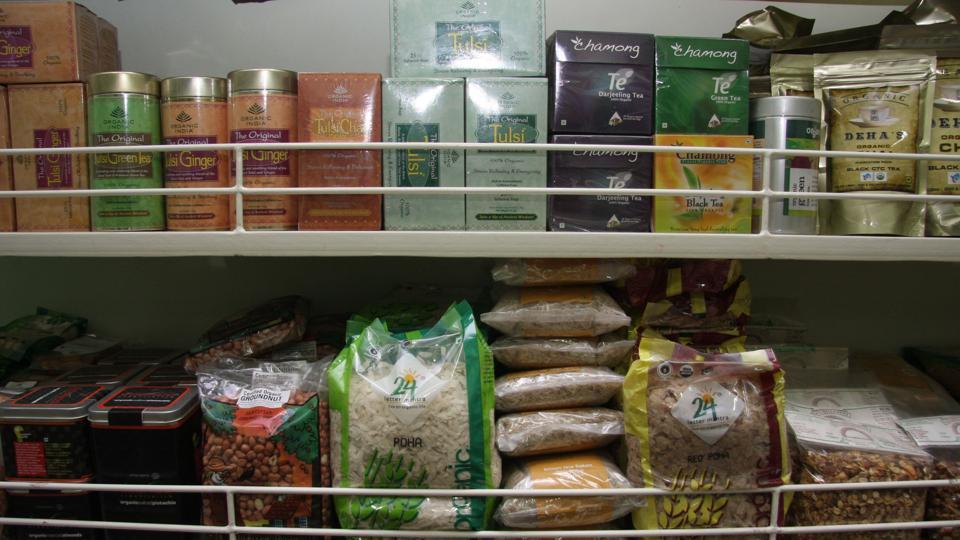
Several organic farmer groups protested against the new regulations— especially asking for organic certification, and met Pawan Agarwal, FSSAI chief executive officer (CEO) in Delhi.
The regulator, which had held extensive consultations with various stakeholders for drafting regulations, didn’t seem to have factored in details such as lack of adequate certification agents, technical glitches while handling websites etc., necessary for successful implementation.
India is among top five countries in the world in terms of agricultural production.
According to the World of Organic Agriculture- 2014 report, 0.28% of India’s agricultural land is for organic agriculture. India’s organic production in 2013-2014 was 1.24 million tons.
“We are having a dialogue with organic farmers’ community and FSSAI is willing to relook at the points of contention and how implementation can become smoother,” said Agarwal.
“Even though we had created an implementation committee and given them six months to comply, there still seem to be certain issues that have cropped up and need attention, especially the certification process.”
The organic certification is issued by testing centres accredited by the Agricultural and Processed Food Products Export Development Authority (APEDA) under National Programme for Organic Production (NPOP), which was primarily meant for big organic farmers.
Also, the Participatory Guarantee System for India (PGS-India), is a decentralised system where a cluster of farmers is trained in organic farming in villages to monitor and certify farms.
By August 2014, India had a mere 24 accredited agencies for inspection and certification of 0.5 million hectare organic farms.
“It is not feasible for farmers as it is not affordable, and even accessible. It takes a lot of money to get an NPOP certificate issued in the first year and then one needs to keep renewing each year. For exporters it makes sense to shell out huge sums of money but for us, who cater to domestic market, it’s not cost-effective,” said Vishalakshi Padmanabham, an organic farmer from Bengaluru, Karnataka.
“PGS-India certification system is a cumbersome process. Also, it takes a minimum of three of years to get the certificate for lack of enough certification agents; what do we do during the transition phase,” he added.
Agarwal said: “What challenges crop up at the implementation level is something one can’t know at the level of drafting regulations. We try to modify regulations to remove impediments as we go along. Our aim is not to unnecessary harass anyone but to ensure consumers get safe and authentic food.”