E-Paper



After reports of cyber attack, India assures Russia that Kudankulam nuclear power plant is safe
A part of a network at the Kudankulam in Tamil Nadu, India’s largest civil nuclear facility, was breached earlier this year during a hacking attack believed to have originated on foreign soil.


Indian authorities have informed their Russian counterparts that the Kudankulam nuclear power plant was secure following reports of a recent cyber attack and that measures had been put in place to prevent a repeat of such incidents, a top Russian diplomat said on Tuesday.
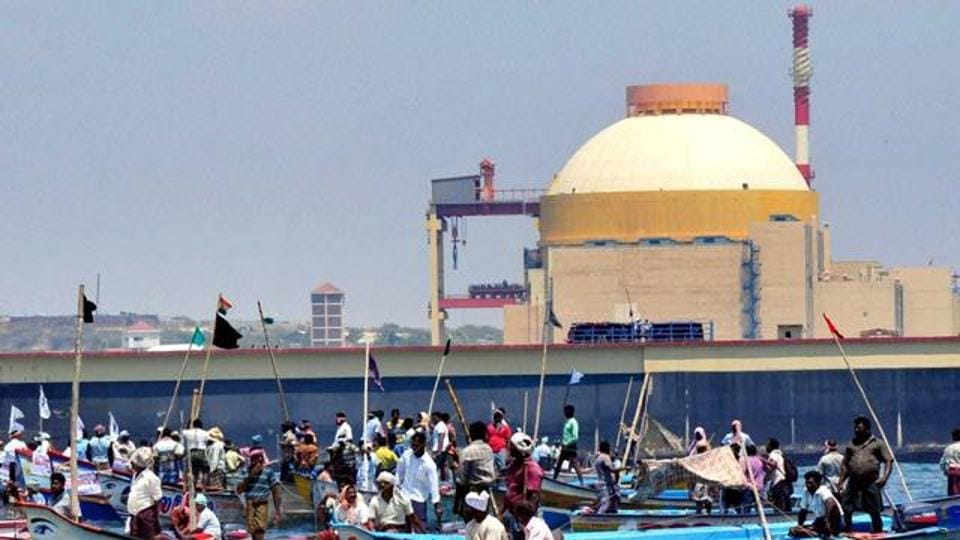
A part of a network at the Kudankulam in Tamil Nadu, India’s largest civil nuclear facility, was breached earlier this year during a hacking attack believed to have originated on foreign soil. The attack didn’t compromise critical systems linked to the functioning of the plant but compromised the facility’s administrative network.
“NPCIL (Nuclear Power Corporation of India Limited) has assured us that the plant is safe. Measures have been taken to prevent a repeat of such events...There is nothing to worry about,” Roman Babushkin, the deputy chief of the Russian mission in New Delhi, told reporters.
“We are working with Indian agencies to stop any further attacks and the agencies of the two countries are interacting regularly (on such matters),” he said, adding cyber security and information security was one of the key areas of cooperation between India and Russia.
Russia’s state-run firm Atomstroyexport is playing a key role in the construction of the 6,000-MW Kudankulam project, which will have six VVER-1000 nuclear reactors supplied by Moscow. Two of the reactors are currently operational, two more are being constructed and preliminary work and planning has started for the remaining two.
Babushkin said Russia was closely involved in creating the multiple layers of security for “physical and software safety” of the nuclear power plant and also in the training of Indian personnel to operate and secure the facility.
Russia, he said, is in talks with India to build up to 20 civil nuclear reactors. “We are waiting for the government of India to identify a new site for building another plant with six reactors,” he said.
“Serial production has several benefits in terms of long-term planning and pricing. Russia is the only country making nuclear plants in India, which is looking for alternative sources of energy. Civil nuclear power is one of the basic pillars of cooperation between the two countries,” Babushkin said.