
 E-Paper



Article 35(A): SC defers hearing for 3 months after Centre seeks time
The top court postponed the hearing after attorney general KK Venugopal told the Supreme Court that the government has appointed former Intelligence Bureau chief Dineshwar Sharma as an interlocutor for negotiating with various stakeholders in the state.

 Prefer HTon Google


The Supreme Court on Monday deferred hearing petitions challenging the validity of Article 35(A) of the Constitution, a provision that gives special rights and privileges to permanent residents of Jammu and Kashmir, for three months.
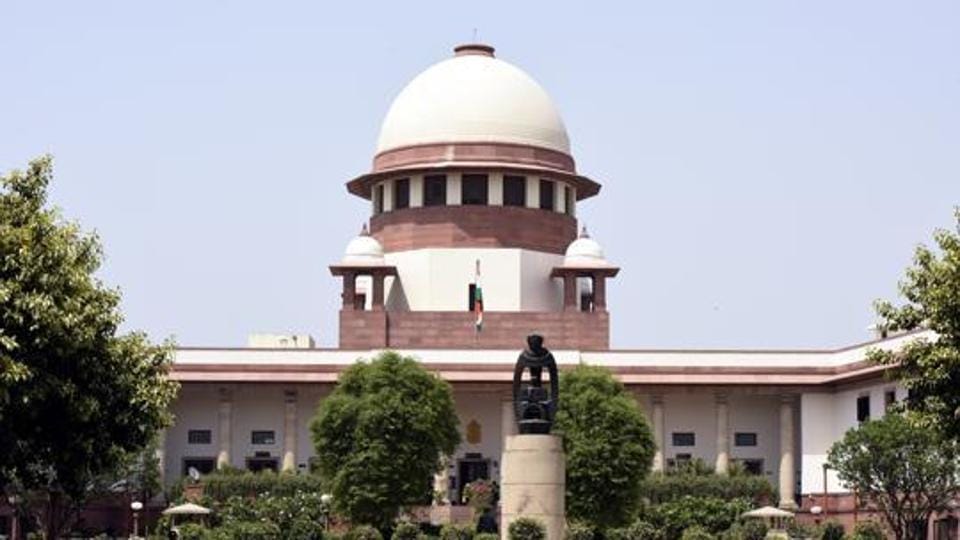
The top court postponed the hearing after attorney general KK Venugopal told the Supreme Court that the government has appointed former Intelligence Bureau chief Dineshwar Sharma as an interlocutor for negotiating with various stakeholders in the state, and requested that the matter be adjourned for six months.
Venugopal had earlier told the court that the BJP-led NDA government wanted a larger debate on the “very sensitive” matter.
Kashmiri separatists on Sunday warned of widespread protests if the Supreme Court ruled in favour of petitions challenging the article. Dissident leaders Syed Ali Shah Geelani, Mirwaiz Umar Farooq and Yasin Malik said any move to tinker with the legislative provision would be against the “interests and aspirations of the people”.
The court had adjourned the case on a previous occasion in August, after the Centre and the Jammu and Kashmir government made a request in this regard.
Article 35(A) gives special rights and privileges to permanent residents of Jammu and Kashmir, and debars “outsiders” from acquiring immovable property, securing state government jobs or settling in the state. One of the petitioners, Charu Wali Khanna, dubbed the article as discriminatory because it stipulates that women residents married to people from other states would lose their right to property and employment.
The apex court is also looking into a petition challenging the validity of Article 370 of the Constitution, which confers special status on the state.


