
 E-Paper



As Delhi anti-pollution rules kick in, here's who is exempt from the latest curbs
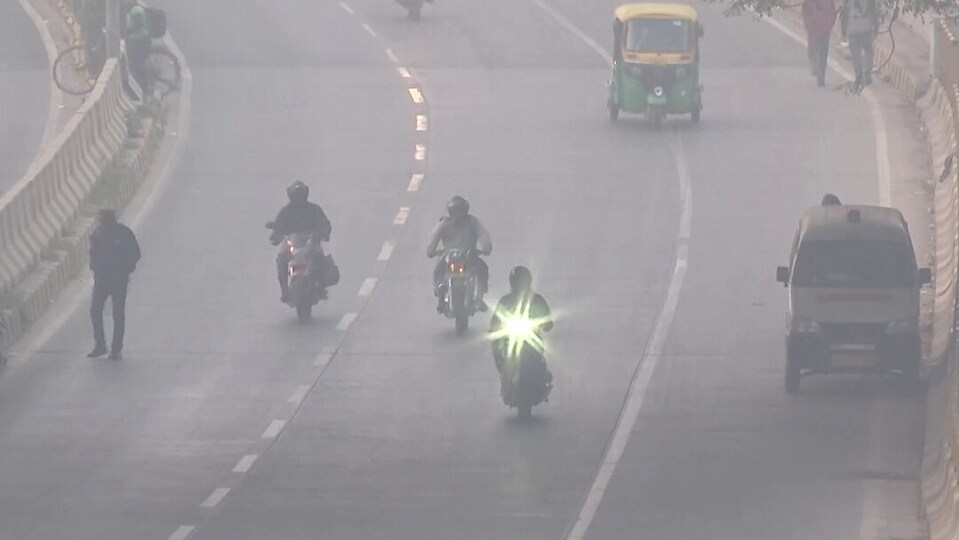
The strict rules come after Delhi registered AQI in 'severe' category for three consecutive days since December 13.

 Prefer HTon Google


Several anti-pollution curbs such as work from home and mandatory PUC certificates will come into effect from Thursday onwards in Delhi and NCR. However, despite the strict measures under GRAP-4, certain exemptions are in place.
As per a report by news agency PTI, emergency services and essential operations will not be affected by the ongoing enforcement measures on petrol and CNG vehicles in Delhi. The Delhi government has stated that ambulances, fire tenders and other emergency vehicles will be exempted from the curbs.
"Ambulances, fire tenders, police vehicles and other emergency response units operating on petrol or CNG will continue to function without interruption, ensuring that public safety and medical services are not impacted by the drive," reads the official notice issued by the Delhi government.
Delhi's anti-pollution rules | Who is exempt?
- Emergency vehicles such as ambulances, fire tenders and more
- Frontline workers, including those working in hospitals, departments involved in the fight against air pollution, the fire department and other essential services, will be exempt from the work from home mandate.
New rules in Delhi amid GRAP-4
The new measures, which are taking effect from Thursday, will be in in addition to the GRAP-4 restrictions announced by Commission for Air Quality Management. The strict rules come after Delhi registered AQI in 'severe' category for three consecutive days since December 13.
Some of the restrictions include a work from home order for government and private institutions. All offices have been asked to ensure 50 percent of their staff will report from home.
Furthermore, the Delhi government has also introduced a no fuel rule, which will be applied if vehicles do not show their latest Pollution Under Control certificates (PUCC).
As of Wednesday, Delhi's air quality was recorded in the 'very poor' category, with the 24-hour average Air Quality Index (AQI) standing at 334 at 4 pm, according to the Central Pollution Control Board (CPCB).
According to the CPCB, an AQI between 0 and 50 is considered 'good', 51-100 'satisfactory', 101-200 'moderate', 201-300 'poor', 301-400 'very poor' and 401-500 'severe'.


