
 E-Paper



As vaccine inequity persists, nations eye third shots
Activists and scientists have said that offering third doses at a time when there is a large vulnerable population that is unvaccinated globally does little to stem the pandemic


Germany announced on Monday that it will offer coronavirus vaccine boosters to vulnerable people from September, becoming the ninth country to announce a third shot for its people amid concerns that the Delta variant could be weakening protection among some groups of fully vaccinated people.
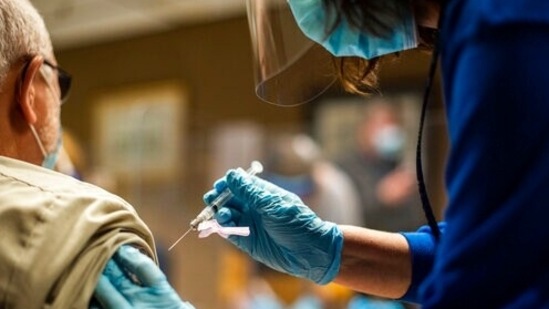
Some countries, such as Israel, have already begun administering boosters to people aged 60 and older out of these concerns but the approach has drawn criticism as wide disparities in vaccine availability remain.
Only a trickle of the 4.5 billion doses estimated to have been delivered globally has gone to low-income countries till now. For instance, the US, with the third largest population in the world, received vaccines enough for 60% of its population, while Indonesia, the country with the fourth largest population, received doses that can cover only 26% of its population, according to Unicef’s August 3 update of the Covid-19 Vaccine Market Dashboard.
In cumulative terms, roughly 3% of all doses have been delivered to Middle East and North Africa while Sub-Saharan Africa has received 1.2% of the 4.5 billion doses, the Unicef dashboard update showed.
On July 30, Israel rolled out the first mass campaign for booster shots. Beginning September, Germany and the UK will begin similar campaigns.
Germany’s booster drive will rely on the Pfizer-BioNTech or Moderna doses.
In addition to these countries, Russia has made additional shots available to people who completed their inoculation more than six months ago and Hungary has allowed it for those who were vaccinated more than four months ago. France currently offers boosters only to those with weak immune systems, such as people who received an organ transplant, but plans to extend it to those vaccinated early this year by October. Cambodia, United Arab Emirates and Indonesia are other nations that have announced plans for boosters.
Activists and scientists have said that offering third doses at a time when there is a large vulnerable population that is unvaccinated globally does little to stem the pandemic. Scientific evidence at present supports booster doses for people with suppressed immunity, but most indicators suggest that healthy, middle-aged people are adequately protected from severe disease or death by almost all of the vaccines available at present.
Between late April and late July, the UK, European Union and the US ordered more doses or exercised options to procure additional shots to potentially administer them to children and as boosters. The announcements prompted criticism.
“We cannot let pharmaceutical corporations prematurely dictate the need for boosters in the absence of conclusive data and evidence...,” said Dr Carrie Teicher, director of programs at Médecins Sans Frontières (Doctors Without Borders), US.


