E-Paper



Bhopal police tightens security after alleged SIMI threat
Police sources said a letter and a video were sent to some police officers threatening attacks on the police control room, random police stations in Bhopal and the local police in general. Intelligence agencies are also said to have alerted the police.


The Madhya Pradesh police have tightened security across all 40 police stations in Bhopal following an alleged threat by the banned outfit Students Islamic Movement of India (SIMI).
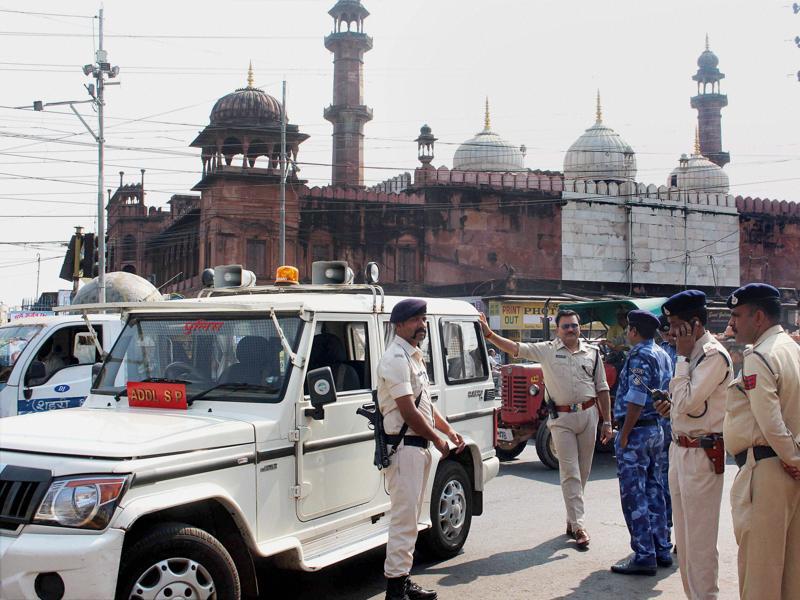
Police sources said a letter and a video were sent to some police officers threatening attacks on the police control room, random police stations in Bhopal and the local police in general. Intelligence agencies are also said to have alerted the police.
IGP, Bhopal, Yogesh Choudhary who held a meeting with the city’s police brass, instructed all officers and town inspectors to keep a strict vigil in their areas, quiz any suspicious person and inform superior officers in case of any suspicious activities.
Choudhary, however, refused to comment on any specific threat. “We have been trying to beef up the security for the past few days. On Sunday, we took all the necessary measures to tighten the security,” he added.
The police control room (PCR) of Bhopal has been barricaded from all sides. The entry of common people has been banned at PCR. In case of emergency, outsiders would be allowed to enter the PCR only after showing their identity cards.
Barricades have also been put up at the police stations and complainants are not allowed to enter without showing their identity cards.
The security has also been tightened up at the railway station. Government Railway Police (GRP) personnel are also carrying on a massive checking drive at Bhopal railway station with sniffer dogs. Beggars have been evicted from the station as part of the security drive.