
 E-Paper



Bihar data released, next phase of revision to begin
According to ECI, over 7.24 crore voters — 91.69% of Bihar’s 7.89 crore registered electors — submitted their Enumeration Forms during the month-long exercise.

 Prefer HTon Google


The Election Commission of India will publish the draft electoral rolls for Bihar on August 1, marking the start of the next phase of the Special Intensive Revision (SIR) process, the poll body said on Sunday.
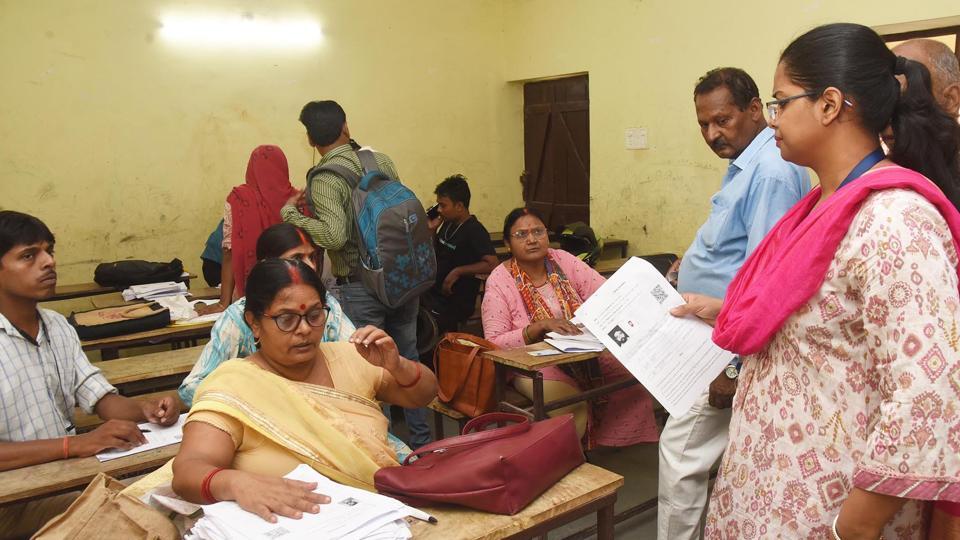
These draft rolls will include the names of all electors who submitted duly filled enumeration forms during the verification phase held between June 24 and July 25. Following the publication, a one-month statutory window — from August 1 to September 1— will open for electors, political parties, and other stakeholders to file claims for inclusion and objections to wrongful exclusions or errors in the draft list.
During this period, any discrepancies, duplications, or missing entries can be formally flagged using prescribed forms. Electoral Registration Officers (EROs) and Assistant Electoral Registration Officers (AEROs) will scrutinise all submissions and make necessary corrections. At the same time, these officers will review and take final decisions on the enumeration forms collected during the door-to-door phase.
Once all objections and claims are processed and the “health parameters” of the rolls are checked, the final electoral rolls will be published on September 30. The commission reiterated that no deletions will be made from the draft rolls without due process, including a formal notice and a speaking order by the ERO or AERO.
“As per Para 5(b) of SIR guidelines, NO NAME CAN BE DELETED from the draft list published on 1st August without notice and speaking order of the ERO/AERO,” according to an ECI note.
The ECI on Sunday released a detailed note outlining the key findings from the recently concluded first phase of the SIR in Bihar. According to the Commission, over 7.24 crore voters — 91.69% of the state’s 7.89 crore registered electors — submitted their Enumeration Forms during the month-long exercise. The remaining 8.31% included individuals who were either deceased, had shifted from their registered address, were found enrolled in multiple locations, or chose not to submit the form.
Among the non-submitters, the commission identified 22 lakh (2.83%) voters as deceased, 36 lakh (4.59%) as not found at their address or permanently shifted, and 7 lakh (0.89%) as enrolled in more than one place. BLOs (block level officers) also reported that several electors had moved to other states or union territories and enrolled there, while others were unwilling to register or had not submitted the form by July 25.
The Commission said that no name will be deleted from the draft rolls published on August 1 without proper legal procedure. As per Para 5(b) of the SIR guidelines, each deletion must be preceded by a formal notice and a speaking order from the relevant ERO or AERO. Voters who find their names missing from the draft rolls can appeal before the District Magistrate or the Chief Electoral Officer under Section 24 of the Representation of the People Act, 1950. To make the process more accessible, the ECI is developing a standardised appeal format which will be made available for public use.
The Commission also said that electors found enrolled at multiple locations will have their names retained in only one constituency. However, voters wrongly flagged as deceased, shifted, or duplicate may be added back during the Claims and Objections period. All such changes and verifications will be completed by the designated 243 EROs and 2,976 AEROs across Bihar, including 1,470 officers specially notified for the SIR on July 8.
Responding to the ongoing political opposition to the SIR, a senior ECI official expressed surprise at the objections raised even before the publication of the draft list. “ECI is not able to understand that when full one month period from 1 August till 1 September is available to point out wrongful inclusion or wrongful exclusion of any name, why are they creating such a big fuss now?” the official said.
He further added, “Why not ask their 1.6 lakh BLAs to submit claims and objections from 1 August till 1 September? Why are some persons trying to give an impression that the draft list is the final list, which it is not, as per SIR orders?”
This reaction came two days after MPs from the Indian National Developmental Inclusive Alliance (INDIA) bloc staged a protest inside the Parliament complex, marking the fifth day of demonstrations against the SIR exercise in Bihar. Senior leaders, including Rahul Gandhi and Priyanka Gandhi, led a march from the Gandhi statue on the premises to the Makar Dwar entrance of Parliament. Carrying posters with the slogan “SIR—Attack on Democracy,” the MPs tore and discarded them in a symbolic rejection of the process.
The Commission noted that BLOs visited each household where an elector was listed in the voter roll as of June 24, with up to three visits made to ensure form collection. BLOs also held meetings with BLAs at the booth level, and political agents were allowed to submit up to 50 Enumeration Forms per day to ensure their full participation in the exercise.
To include temporarily migrated voters from Bihar, the Chief Electoral Officer (CEO) of the state reached out to CEOs of other states and union territories, requesting assistance in contacting migrant electors. In addition, the ECI released full-page advertisements in 246 newspapers across the country, with a combined circulation of 2.6 crore, to inform Bihari voters residing outside the state about the enumeration process.
The ECI also reported significant digital participation. Over 16 lakh Enumeration Forms were filled online through the official portal or ECINet mobile app, while an additional 13 lakh forms were downloaded for manual submission — taking the total digital engagement to nearly 29 lakh forms. These forms could be submitted through family members or even via messaging platforms like WhatsApp to the concerned BLOs.
Special attention was paid to urban voters, with enumeration camps set up in all 5,683 wards across 261 urban local bodies in Bihar. To complement this effort, more than 10.2 crore SMSes were sent during the enumeration phase — both to inform electors and to acknowledge receipt of their forms. The Commission also provided a portal link for voters to track the status of their submissions.
“Now that the process of distribution and collection of enumeration forms is over, the BLOs would be given training in the next couple of days to handle the process of claims/ objections. If any eligible elector wants to include his /her name , it would be done from August 1 to September 1. Besides, claims /objections could be given against any elector’s name figuring in the rolls. Such electors would be given notice and only after hearing, a decision would be taken by the electoral registration officers (EROs). No names would be deleted without proper hearing,” said an officer in the state election department.
A second official said that all BLOs will be given copies of the draft rolls on August 1. “The draft rolls will also be given to representatives of recognised political parties and booth level agents of the parties... Electors can also check their names in the draft rolls online or by visiting booths,” the official said, requesting anonymity.
During the claims and objection period, voters can also get any rectification done by filling up prescribed forms while any genuine voter who has not been included in the rolls could also get enrolled by filling up the prescribed forms and declaration, officials said.


