
 E-Paper



BSF to test DRDO anti-drone system on border, IED laden UAV shot down in Jammu
The Pakistan-based Islamist and Khalistani terror groups are increasing used unmanned drones to target, drop and supply weapons, explosives and ammunition across the western borders to their terror network within India, particularly in Jammu and Kashmir and Punjab.

 Prefer HTon Google


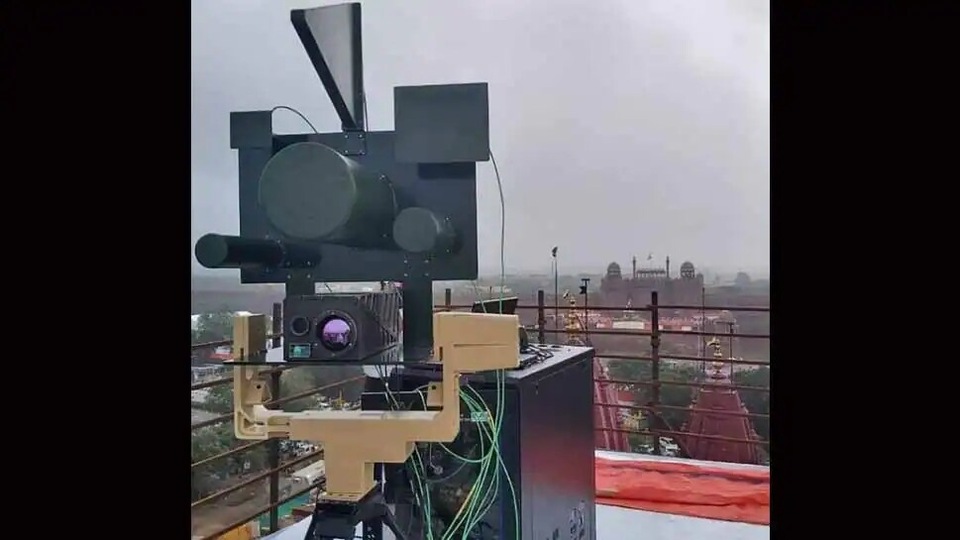
The Border Security Force (BSF) has asked the Defence Research and Development Organisation (DRDO) to bring the prototype anti-drone system to Jammu and Punjab sectors for testing under real conditions. The anti-drone system was tested successfully under controlled conditions at a DRDO facility before BSF officials and security agencies in Karnataka's Kolar earlier this month.
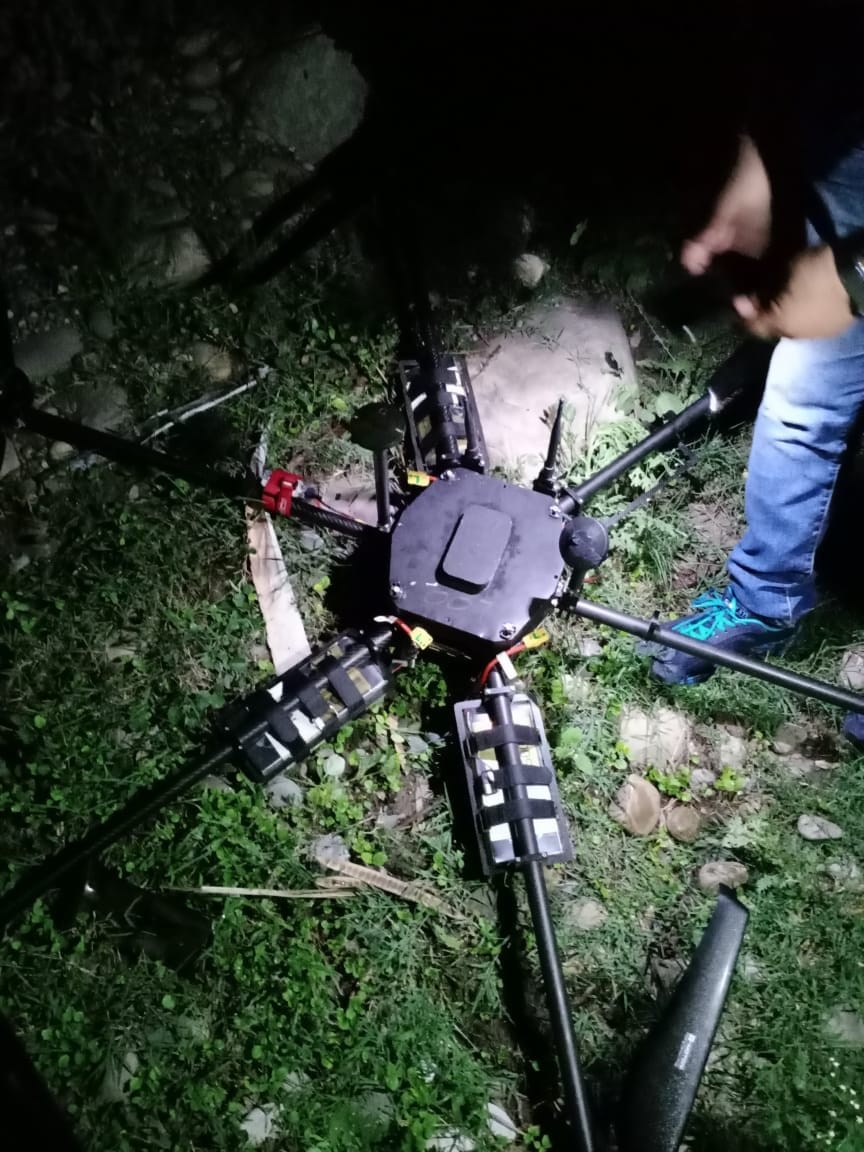
The Pakistan-based Islamist and Khalistani terror groups are increasing used unmanned drones to target, drop and supply weapons, explosives and ammunition across the western borders to their terror network within India, particularly in Jammu and Kashmir and Punjab. While Pakistan based Lashkar-e-Taiba (LeT) jihadis targeted the Jammu airbase on June 27 with two drones, an IEDs carrying drone was shot down by Jammu and Kashmir police near Gurachak village, eight kilometres within Indian territory, in the Akhnoor-Sunderbani sector on Friday morning.
Also read | J&K DGP hints at Pak ordnance factory role in IAF base attack
According to security officials who attended the Kolar test, the DRDO anti-drone system performed well in controlled conditions. The DRDO anti-drone system has a radar detection range of four kilometres, a jamming range of more than two kilometres and a kill range of more than one kilometre. The system was tested at the NSG facility in Manesar this January 8, 2021. The system was also tried in an operation on the Amritsar border in the 2020 winter.
While the army and the security forces are still to deploy the DRDO anti-drone system, Bharat Electronics Limited and three private Indian companies have signed transfer of technology agreements with the government agency to mass-produce the system.
Also read | Indigenous anti-drone technology to be made available soon: Shah
Although a tested anti-drone system travels with Prime Minister Narendra Modi’s security cavalcade, the DRDO system has been deployed during Republic and Independence Days since 2020. It was also deployed during US President Donald Trump's official visit to India on February 24-25, 2020, including in the then Motera Stadium.
Union home minister Amit Shah is pressing hard on DRDO to produce efficient anti-drone technology as intelligence agencies are warning that the Pakistan-based terror groups will soon be using artificial intelligence and robotics to target India as there will be total deniability from Pakistan and no loss of jihadi life.
Although the Punjab sector is facing a drone menace since August 2019, the drone attack on the Jammu airbase raised serious concerns as the unmanned platform not only travelled 30 kilometres to and fro from the border but also dropped RDX explosives on the installations at the airbase. It was only due to high winds that the targets—air traffic control and a helicopter—were missed but the targets had been fixed through precise latitude and longitude using GPS.


