
 E-Paper



Chhattisgarh, Odisha’s tribal areas report fewer cases
No Covid-19 case has been detected in Chhattisgarh’s southern tribal Sukma, Bijapur and Naryanpur districts even as the state reported its first infection in March.

 Prefer HTon Google


Chhattisgarh and Odisha’s remote tribal-dominated districts have largely remained untouched by the Covid-19 pandemic because of lesser contact with the outside world and lower testing rates compared to other regions, multiple officials said.
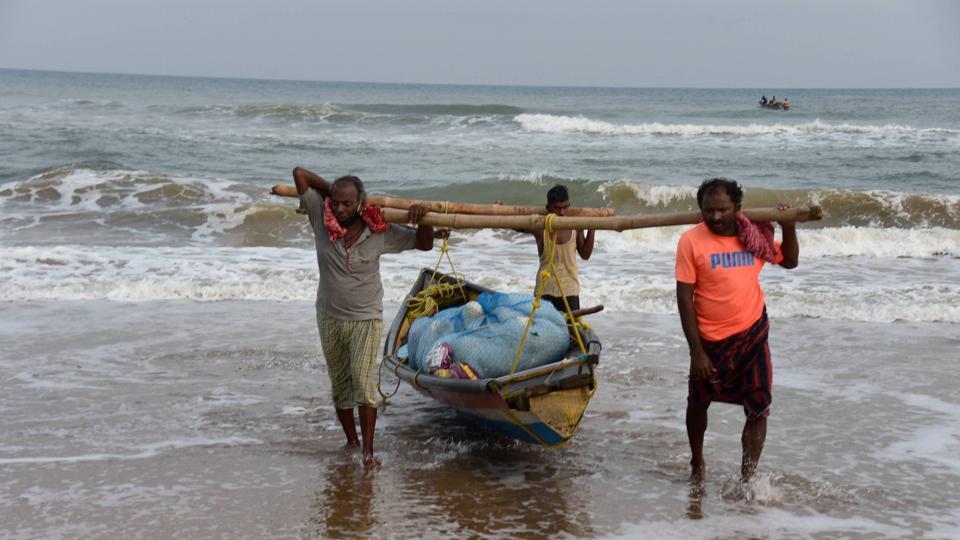
No Covid-19 case has been detected in Chhattisgarh’s southern tribal Sukma, Bijapur and Naryanpur districts even as the state reported its first infection in March. Most cases in the state have been reported from the northern non-tribal northern districts of Korba, Bilaspur, Baloda Bazar, Raipur and Mungeli.
Experts said this may also have to do with fewer tests in tribal areas. Only 1,158 people have been tested for Covid-19 in Bijapur, 777 in Naryanpur and 1749 in Sukma, according to the state government data. In comparison, 9,139 tests have been conducted in Korba, which has reported 254 Covid-19 cases. As many as 167 people have been found to be infected in Bilaspur, where 9,378 people have been tested. The maximum tests have been conducted in the state capital Raipur (11,993) and 151 cases have been reported.
Chhattisgarh, where tribals account for 31% (second highest after Jharkhand) of the population, has reported 1,946 Covid-19 cases and nine deaths until Thursday. The state has 735 active cases.
State health secretary Niharika Barik Singh said migrants, about 3.5 lakh, who have returned to the state after losing their jobs because of the Covid-19 lockdown account for the most cases detected in the state. “Parts [of the state] which have seen a large influx of interstate travellers have shown a spike in the cases,” said Singh. She said the southern tribal-dominated districts do not have many people with travel history.
Singh said fewer number of tests have been conducted in the southern districts because testing guidelines allow only those with Covid-19 symptoms to undergo tests. “We have followed ICMR [Indian Council of Medical Research] guidelines for testing,” she said.
Chhattisgarh health minister TS Singhdeo said most of the migrant workers have returned to the northern region from worst-hit areas like Maharashtra, Delhi, and Uttar Pradesh. He said many of them could not return immediately because of the lockdown that was imposed from March 25. “And by the time Shramik Express [special] trains were started from May 1, these workers from our state were infected,” he said
Neighbouring Odisha, where tribals account for about 22% of the population, has reported 5,160 Covid-19 cases until June 20 midnight from all 30 districts. The state’s tribal-dominated districts have reported fewer cases compared to non-tribal districts. Tribal dominated Malkangiri district has only 53 cases on June 16 as compared to 440 in Khurda. Similarly, Koraput, a district of tribals, has 24 cases, as against 893 in Ganjam, a district of migrant workers.
Migrant workers in quarantine centres, health workers and paramilitary force personnel have mostly tested positive in tribal-dominated Koraput and Nabarangpur districts, which have together reported 24 cases. In Nabarangpur, seven Border Security Force personnel, who travelled to Maharashtra, were found Covid-19 positive on June 19. In Koraput too, almost all people found infected have travel history.
“Among the infected people in [Koraput] district, there are tribals with travel history to other states. But there have been no cases of local transmission, or community transmission in our tribal pockets,” said district collector Madhusudan Mishra.
Other tribal-dominated districts of Balangir, Sundargarh and Mayurbhanj have reported 150, 146 and 129 cases.
An Odisha health department official said testing in the tribal-dominated districts is lower compared to other areas, which have a much larger number of people seeking employment in other states. “None of the local tribals have got Covid-19.”
In the tribal districts such as Malkangiri, state government has conducted 4,542 tests as compared to 22,000 in Ganjam district, which has maximum cases. Similarly, in another tribal dominated Nabrangpur district, 4,000 people have been tested as compared to 16,500 in Khurda. For every one lakh persons, in Koraput, Nabrangpur and Bolangir districts, the tests done has been almost one-fourth of the number of tests conducted in Ganjam district.
“From the figures of Odisha and Chhattisgarh governments, it is clear that testing has been low in the tribal areas, and this is a reason for negligible number of Covid cases there. However, people in rural areas are more isolated than in more contested urban areas, and they getting the infection is less than the people in urban areas. With some many migrants coming back in the two states, governments should have done more tests in tribal areas,” said T Jacob John, former head of Virology Department at Christian Medical College, Vellore.
Another epidemiologist Jayprakash Mulyil said tribal-dominated districts would have lesser number of Covid-cases simply due to less travel history of people living there than those in non-tribal districts. “The Covid-19 disease is transmitted from human to human. So unless the tribal population in the districts travel outside for making a living, there is less chance of getting infected. Only those tribals who are travelling out to other States are getting infected,” he said.


