
 E-Paper



OCI cardholders deemed undesirable can be denied entry: Home ministry to Delhi HC
The HM said that OCI card holders, who are foreigners, cannot claim the fundamental right to free speech, movement and protest

 Prefer HTon Google


India has a sovereign right to deny entry to Overseas Citizen of India (OCI) card holders deemed undesirable, regardless of a valid visa, the union ministry of home affairs (MHA) has told the Delhi high court.
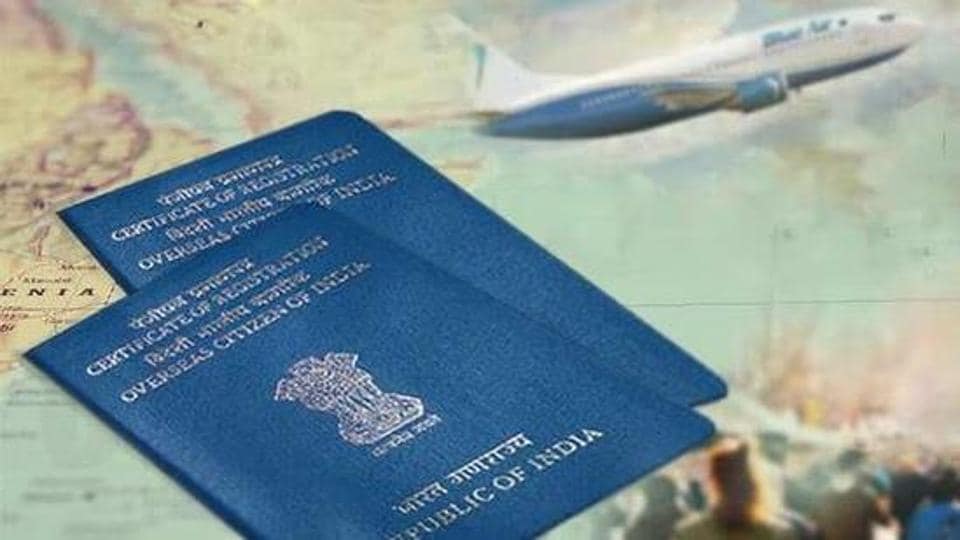
In an affidavit filed on May 21, MHA further stated that OCI card holders, who are foreigners, are under a mandate to not undertake the activities prohibited under the category of VISA or OCI guidelines and cannot claim the fundamental right to free speech, movement and protest, enshrined under article 19 of the Constitution of India.
Justifying reasons for rejecting permission is not a matter of right, the affidavit stated.
“OCI cardholder is a foreigner and OCI card is a life long visa issued to such a foreigner. Every country has a sovereign right to refuse entry into its territory to any individual whom it may consider undesirable and informing about the same in as much as entry into any country’s territory is not a matter of right, even if the person holds a valid visa,” the affidavit filed on May 21 stated.
It added, “It is germane to mention that OCI card holders or other foreigners visiting in India are supposed to adhere to the laws of the country i.e the activities which are prohibited from them under the category of VISA or OCI guidelines. The citizens of India are guaranteed fundamental right of speech and free movement under Article 19 of the Constitution of India. However foreigners or citizens of other countries are not entitled to such rights. Since OCI card holders are foreigners and citizens of another country, they cannot claim the right to free speech, movement and protest under Article 19 of the Indian Constitution.”
The submission came in a plea filed by Washington-based cybersecurity journalist Raphael Satter, challenging Centre’s December 4, 2023 decision to revoke his OCI card. Though Satter had also filed a revision petition in January 2024, the same was disposed of in May last year, concluding that there were no grounds to revise the OCI cancellation order.
Satter’s card was revoked months after Centre’s decision of cancelling Sweden-based professor Ashok Swain’s OCI card. On July 30, 2023, the Centre had revoked Swain’s card but the Delhi high court on March 28, permitted Swain’s entry by setting aside the decision.
On May 18, Indian-origin professor Nitasha Kaul had revealed about the Centre’s decision to revoke her OCI card citing anti national activities.
With regards to Satter, MHA in its affidavit justified the move stating that the decision was based on inputs by security agencies which flagged his activities of maliciously creating adverse and biased opinions against Indian institutions in international arena through his journalist activities and he could not be provided with the reports due to its “confidential nature.” MHA further stated that it had enough inputs to show that Raphel wilfully violated the conditions of the March 4, 2021 notification which bars OCI card holders from undertaking research. “It has been reported by security agencies that Raphael has been noted for acts of maliciously creating adverse and biased opinions against Indian institutions in the international arena through his journalistic activities and a discreet LOC was opened against him,” the affidavit stated.
In its 24-page affidavit, the MHA said that the ministry before initiating the cancellation of OCI proceedings, consulted security agencies, external affairs ministry and also served a show cause notice to him on June 12, 2023 and his response failed to establish that he had not done any journalistic activities or submit his whereabouts or activities during his visit to India.
Satter’s plea will be next heard on August 25.


