
 E-Paper



Caste will have no role in appointment of priests, says Madras high court
The high court citing a 2016 verdict by the Supreme Court said, the appointment of a temple priest is a secular function and not about a hereditary right.

 Prefer HTon Google


The Madras high court on Monday held that caste will have no role in the appointment of priests in temples, where the only requirement is for the person to be well-versed, properly trained and qualified to perform the pooja, as per the requirements of the said temple.
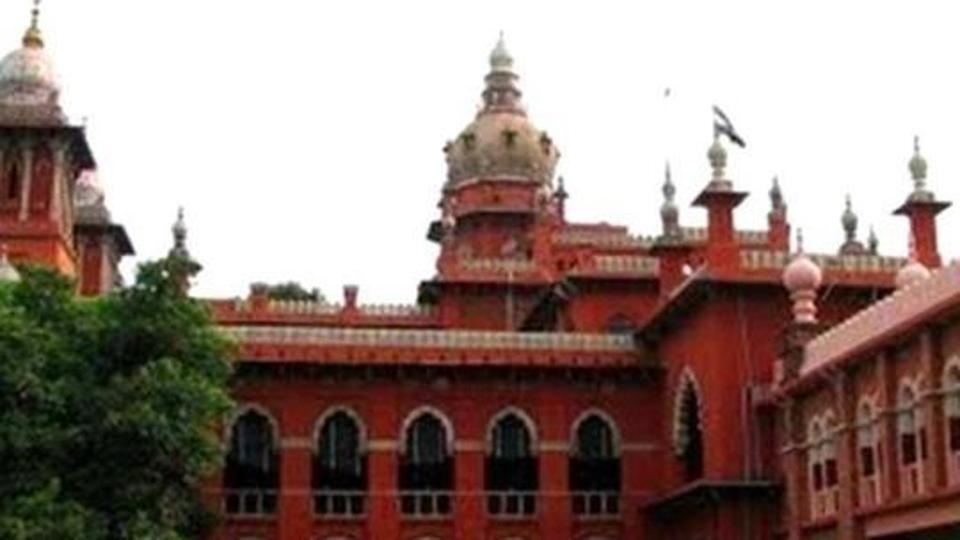
Justice N Anand Venkatesh passed the verdict while disposing of a 2018 petition said, “At the risk of repetition, it is made abundantly clear that the pedigree based on caste will have no role to play in the appointment of Archaka [priest] if the person so selected otherwise satisfies the requirements.”
Also read | High court fines Madras bar association over bias in 2012 discrimination case
The orders were passed as the court disposed of the case filed by Muthu Subramania Gurukkal challenging an advertisement in 2018 by the Tamil Nadu department of Hindu Religious and Charitable Endowments (HR&CE) for recruiting Archakas/Sthanikam (priests) at the Sri Sugavaneswarar Swamy Temple in Tamil Nadu’s Salem district, stating that it infringes his hereditary rights. The petitioner, Gurukkal, had taken over the position as Sthanikam from his grandfather, as his family of Sivachariyars have been performing poojas from “time immemorial”.
Announcing the decision, justice Venkatesh cited the Supreme Court’s verdict in the 2016 All India Adi Saiva Sivachariargal Seva Sangam’s versus Government of Tamil Nadu case, where the top court had held that the appointment of a temple priest is a secular function and not about a hereditary right. The top court had held that the religious service by an Archaka is the secular part of the religion and the performance of the religious service is an integral part of the religion.
Noting that there is no dispute to the fact that the temple in question is an Agamic temple where appointment of Archakas should be governed by the rules of the Agama, the court directed the Executive Officer of temple (third respondent) to issue an advertisement in line with the observations cited from the apex court. The court also permitted the petitioner to perform the poojas till the appointments and gave him the liberty to participate in the selection process.
However, to bring more clarity on the appointments in future, the court dealt with the additional grounds raised by the petitioner. The Madras high court, citing the 2016 order by the top court, said, “Any person belonging to any caste or creed can be appointed as an Archaka, provided he is a well-versed and an accomplished person in the Agamas and rituals necessary to be performed in a temple.”
In the 2022 case of N Adithayan versus Travancore Devaswom Board, the Supreme Court had held that there is no justification to insist that only a Brahmin (in this case, a Malayali Brahmin) alone can perform the rites and rituals. The apex court had frowned on insisting for a pedigree based on caste to perform the rites and rituals in a temple, the Madras high court said.


