
 E-Paper



Centre will have to approach political parties, states with simultaneous polls plan
There is speculation that the Centre wants to conduct the next Lok Sabha polls by December next year (instead of 2019).


If the Centre is to hold assembly polls to nine states simultaneously with the Lok Sabha elections around December 2018, it will face the daunting task of persuading the governments of Odisha, Andhra Pradesh, Telangana and Sikkim to cut their tenure short by more than six months.
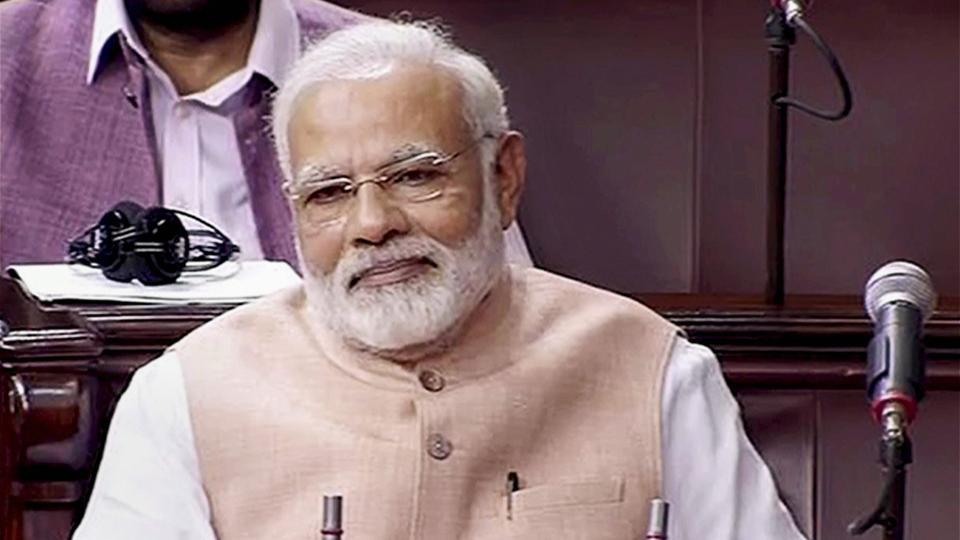
There is speculation that the Centre wants to conduct the next Lok Sabha polls by December next year (instead of 2019), when Mizoram elects a new assembly. As eight states will also pick new assemblies between January and June 2019, the government is mulling the option of holding simultaneous polls. Prime Minister Narendra Modi has been batting for holding simultaneous polls.
Sources say the idea is yet to be formally presented to the election commission, which has the mandate to hold elections to the Lok Sabha and state assemblies. The proposal will also need the consent of other political parties and state regimes, including the Biju Janata Dal-led Odisha government.
Simultaneous elections would greatly reduce logistical concerns, with the election commission only having to place more ballot units and paper trail machines in poll booths. However, sources said the poll panel had earlier indicated to the law ministry that it can hold simultaneous elections only with “several constitutional amendments” and a consensus among political parties.
Referring to the legal aspect of moving the elections ahead of schedule, former Lok Sabha secretary general Subhash C Kashyap told HT that the election commission has the power to announce elections anytime within a period of six months before the assembly term expires.
“It is not well known, but most Lok Sabhas have been dissolved before their terms ended. In case of assemblies, the commission can – citing reasons of security or other logistic concerns – announce the dates up to six months before their terms end,” Kashyap said.
He claimed the poll panel does not require the ruling dispensation’s permission to announce the elections, even if the house is not dissolved. The buck actually stops with the political parties, who will have to be taken on board to agree to the suggestion, Kashyap added.
“The PM has been asking parties to arrive at a consensus for simultaneous polls. In my view, that is not politically feasible… because all parties will look at their own interests. I think that if we start holding polls in two or three instalments, simultaneous elections should be possible in 10-15 years,” he said.
A NITI Ayog report had also batted for simultaneous polls last year. In a discussion paper, ‘Analysis of Simultaneous Elections: The What, Why and How’, it said the tenures of half the state assemblies will have to be curtailed by three to 15 months and the rest extended by up to a year to enable simultaneous state and Lok Sabha elections.
Instead of holding elections in two to five states every year, the report has proposed elections in two cycles with an interregnum of 30 months – 14 states must go to the polls along with that of the Lok Sabha in one phase (April-May 2019) and the remaining states in the next cycle two-and-a-half years later (October-November 2021).


