
 E-Paper



Scientifically Speaking: Could lack of lithium in the brain trigger Alzheimer’s?
A Nature study from Harvard suggests lithium loss—known from psychiatric use—may play key role in Alzheimer’s onset, pointing to a potential new treatment path

 Prefer HTon Google


Alzheimer’s disease is the leading cause of dementia, accounting for roughly two-thirds of cases in India. Recent estimates put the number of Indians living with Alzheimer’s in the millions, with cases expected to triple by 2050 as the population ages. Unlike heart disease or cancer, there are no treatments that stop or reverse the disease—only drugs that manage symptoms or slow decline modestly. For families, it means years of escalating memory loss, dependency, and caregiving strain.
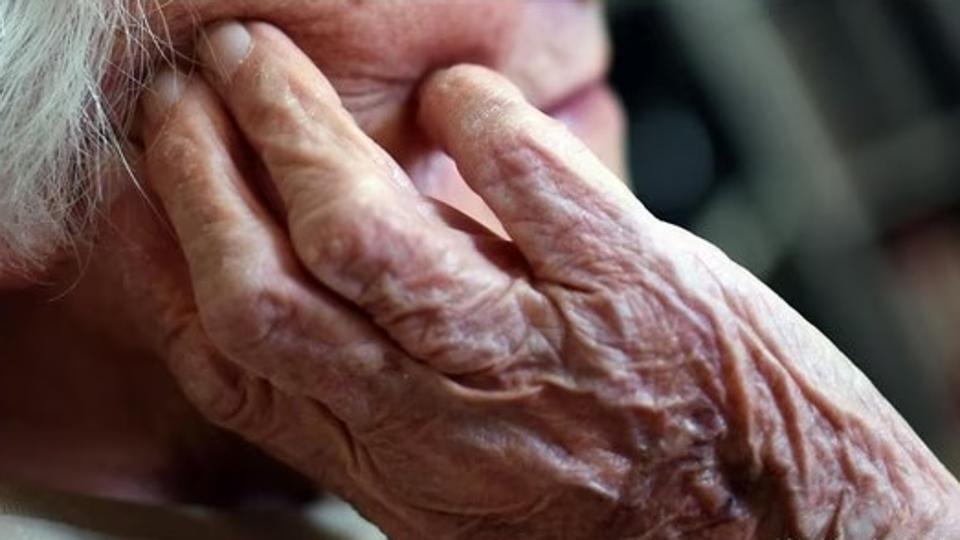
Now, work published in Nature by researchers at Harvard Medical School suggests that the loss of lithium—a metal better known from psychiatric treatment—may play a powerful role in the onset of Alzheimer’s disease. Even more intriguing, the researchers found that replacing it in the right form could protect ageing brains in laboratory animals with Alzheimer’s-like changes.
The discovery emerged from a comprehensive, decade-long investigation that began with a simple approach. When the Harvard team, led by Bruce Yankner, analysed 27 different metals in the brains of hundreds of post-mortem donors—some with normal cognition, others with mild cognitive impairment, and yet others with Alzheimer’s—only lithium showed a consistent pattern. Levels were markedly lower in the brain’s prefrontal cortex in people with cognitive decline.
Also Read: Dementia expert shares 6 creative tasks to manage symptoms in patients with Alzheimer’s
This was not entirely unexpected. Lithium has been used to treat bipolar disorder for decades, and earlier studies had hinted it might protect against dementia. What was surprising was just how little lithium the brain normally contains—about 1,000 times less than the doses given to psychiatric patients—and how dramatically its loss affects brain function.
Lithium, as it turns out, plays a major role in the ageing brain. It helps nerve cells maintain their connections, assists in forming the fatty myelin insulation that keeps neural signals sharp, and supports the brain’s cleanup crew—immune cells called microglia—in removing cellular debris that can impede normal function. When lithium levels drop, this entire maintenance system begins to malfunction.
Amyloid plaques—those sticky protein clumps that have long been recognized as a hallmark of Alzheimer’s—trap lithium, sequestering it away from where it is needed. This creates a vicious cycle. As plaques accumulate, they capture more lithium, which reduces the brain’s ability to fight back, leading to more plaques and further lithium depletion.
When researchers fed mice a lithium-depleted diet, reducing brain lithium levels by about 50%, the animals quickly developed Alzheimer’s-like changes. This effect was so pronounced that it accelerated the disease process in Alzheimer’s mouse models and even caused memory problems in otherwise normal ageing mice.
But there could also be a silver lining in a treatment option in the future. With just trace-level doses in mice, the compound lithium orotate prevented Alzheimer-like changes and, in animals with established pathological signs, reduced markers in the brain while restoring memory. Most impressively, elderly mice treated with lithium orotate performed memory tasks as well as young adults. Of course, so far this is only mouse data, not a prescription, but it is an unusually coherent story—from mechanism to behaviour.
The research also offers new insights into how environmental factors might influence Alzheimer’s risk. Lithium occurs naturally in water supplies at varying levels depending on local geology. Some populations might have naturally higher or lower lithium exposure throughout their lives, potentially affecting dementia rates—an observation supported by a Danish nationwide study linking higher lithium in drinking water to a lower incidence of dementia.
The work could also point toward earlier detection methods. If lithium depletion precedes symptoms, measuring brain lithium levels in blood or cerebrospinal fluid could identify at-risk people years before symptoms of dementia show up.
Before anyone considers this a breakthrough treatment, several caveats apply. Most of these promising results come from mouse studies. While the human brain tissue analysis is compelling, so far it is far from complete. We cannot know from examining brains of people who died with dementia whether their lithium levels were low before symptoms appeared, or whether the deficiency is a cause or consequence of the disease process.
The mouse brain, despite sharing many fundamental features with human brains, processes diseases differently and responds to treatments that do not always translate.
More practically, we do not know the optimal dose of lithium orotate for humans, how long treatment would need to continue, or what side effects might emerge with long-term use. While lithium orotate is available as an unregulated supplement in some countries, taking it now would amount to self-experimentation without proper safety data. As the lead author himself emphasises, no one should start self-medicating based on these results.
The research also comes from a single laboratory and needs independent replication before the findings can be considered established science. Other research groups will need to reproduce these results and extend them before we can be confident in the conclusions.
Still, it’s hard not to get excited. The idea that something as simple as maintaining proper levels of a trace element could prevent or treat Alzheimer’s is compelling, given how little success we’ve had with other treatment approaches.
If rigorous human clinical trials confirm these findings, lithium orotate could represent a major shift from expensive, complex treatments (that often have shown only modest benefits) to a simple, affordable intervention. The low cost and potentially minimal side effects of the tiny doses required could make it accessible to populations worldwide.
(Anirban Mahapatra is a scientist and author, most recently of the popular science book, When The Drugs Don’t Work: The Hidden Pandemic That Could End Medicine. The views expressed are personal)


