
 E-Paper



Covid-19: What you need to know today
Indian health officials insisted at a briefing on Tuesday that the new strain hasn’t been spotted in India, but this is one of those statements that is economical with the truth.


The fact that a handful of people who flew into various parts of India from the UK have tested positive for the coronavirus is cause for alarm simply because these infections were discovered the instant India tightened its screening process for inbound fliers. It’s very likely that for the past seven months, ever since India restarted flights to and from other countries through so-called travel bubbles, there has been a steady trickle of infected people into (and also out of) the country. The screening process was tightened following panic over the new strain of the Sars-CoV-2 virus identified in the UK (as far back as September, although it is only in recent weeks that it has hit the headlines after becoming the dominant strain in the country, and causing a surge in infections). UK officials have said the new strain is 70% more contagious (or infective) than the old one. They also say that in many parts of the country, it has become the dominant strain. That would mean at least some of the people identified as Covid-positive in Monday’s screening at airports could potentially be carrying the new strain.
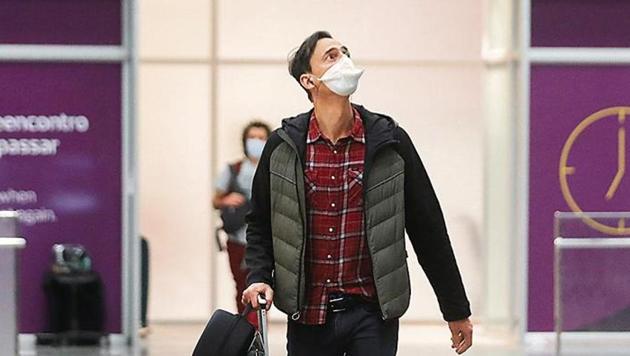
Indian health officials insisted at a briefing on Tuesday that the new strain hasn’t been spotted in India, but this is one of those statements that is economical with the truth. The reality is that India does not sequence enough viral genomes for this to be said with any amount of certainty, but in all the briefings (and it’s usually by the same worthies who are in charge of India’s Covid response) I’ve listened in on, I have never heard the terms “we don’t know” or “we can’t say for sure” ever being used. Indeed, what they lack in knowledge, these people usually make up for with certitude. The correct answer, for instance, to a query on whether the new strain is in India would be: it hasn’t been identified in our tests, but we do not sequence enough viral genomes to say for sure; we are now increasing the volume of genomes we sequence. That wasn’t so difficult, now, was it? As I wrote in Tuesday’s column (Dispatch 230), given that the new strain has been around since September, and flights have been operating between various airports in the two countries, there is every likelihood that the strain may already be in India – but we do not know for sure.
In Tuesday’s column, I wrote about how the UK had caught a lucky break – one of the commonly used RT-PCR tests showed only pieces of two genes in the result, as compared to the three it usually does. One of the new strain’s 17 known mutations was responsible for this. The Reverse Transcription Polymerase Chain Reaction or RT-PCR test is considered the gold standard when it comes to diagnostic tests for Covid. It identifies the viral RNA (ribonucleic acid, the genetic material) by converting it into complementary DNA, which it does using an enzyme called reverse transcriptase. Then a series of chemical reactions are used to amplify the complementary DNA sections. The quantum of viral DNA is then measured using fluorescent markers. The test in question in the UK was calibrated to check for three different RNA targets – and because of the mutation, it found only two. Ergo, the country didn’t really have to keep sequencing viral genomes to figure out whether the infection was caused by the new strain – if a test showed only pieces of two genes in the result, it indicated the virus was the new strain.
Apart from aggressively sequencing more viral genomes, India would do well to collect more information – for instance, every RT-PCR test also measures viral loads – from the molecular tests it conducts (the rapid antigen tests, apart from being unreliable, aren’t of much use in this context) rather than simply treating the output as a binary yes/no. Indeed, had a system to do this been in place, health officials here might have been in a better position to answer the original question: is the new strain in India?


