
 E-Paper



Delhi high court grants bail to Neelam Azad, Mahesh Kumawat in 2023 Parliament breach case
The court has barred them from giving any interviews, holding press conferences, or posting anything on social media regarding the incident.

 Prefer HTon Google


The Delhi high court on Wednesday granted bail to two accused in the December 2023 Parliament security breach case.
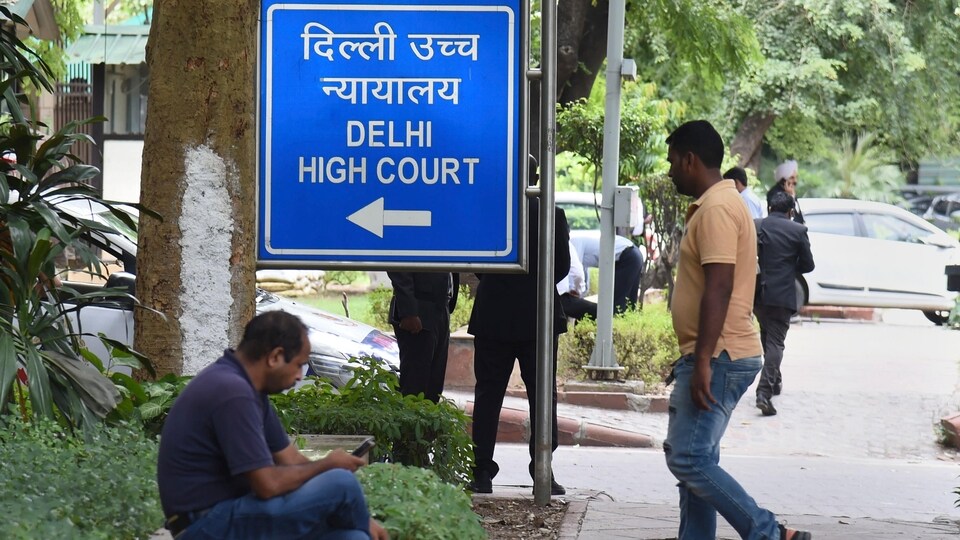
A bench of justices Subramonium Prasad and Harish Vadiyanathan Shankar, ordered for Neelam Azad and Mahesh Kumawat’s release subject to furnishing bail bonds of ₹50,000 each and two sureties.
The court has barred them from giving any interviews, holding press conferences, or posting anything on social media regarding the incident. They have been asked not to leave Delhi and report to the police station every Monday and Wednesday at 10am.
“We are granting bail. The accused are required to furnish bail bonds of ₹50,000 each with two sureties,” the bench said, while pronouncing the ruling.
Also Read: HC seeks Delhi Police response on bail petition in 2023 Parliament security breach case
A detailed copy of the judgement is awaited.
Azad, along with Sagar Sharma, Manoranjan D, and Amol Shinde, is accused of orchestrating a protest involving coloured smoke canisters.
Sharma and Manoranjan had jumped into the Lok Sabha chamber from the visitors’ gallery, while Azad and Shinde protested outside. The four accused were immediately apprehended on December 13, 2023, while Kumawat and Jha surrendered before the police on December 14, and both were handed over to the special cell. The breach coincided with the anniversary of the 2001 terrorist attack on Parliament and sparked questions about laxity in security.
The police had charged the accused under the provisions of Unlawful Activities (Prevention) Act and Indian Penal Code (IPC). According to police, Azad had conspired with other co-accused to commit the terrorist act with intention to strike terror in the minds of Parliamentarians, staff, visitors, and millions who were watching the live proceedings of the House on television.
Azad and Kumawat had approached the Delhi high court against the city court’s order rejecting their bail. While Azad had appealed against the September 2024 order, Kumawat had challenged the order passed in November last year.
Also Read: SC grants 4-week bail extension to Nitish Katara murder convict
The two accused had asserted that the Delhi Police wrongly invoked UAPA charges against them since their alleged actions did not construe an act of terrorism. While Azad maintained that her conduct did not amount to terror act since she had entered the premises through a valid pass and was not carrying arms, Kumawat argued that his intention was to only raise his voice and draw state machinery’s attention towards certain issues having democratic and political importance and the content of the pamphlets found in the possession of the accused person inside the Parliament.
Justifying the invocation of the UAPA, the Delhi police represented by additional solicitor general Chetan Sharma submitted that the accused’s actions of intruding the Parliament by using noxious substances on the date when there was a threat of an attack and which coincided with the 2001 attack was enough to prove their intention to likely strike terror or threaten the country’s security. The law officer further argued that the incident was not an attack on the Parliamentarians but on the individuals who represent the electorate and had the statements of the MP’s given to the media immediately after the incident, were evidence of the fact that the act caused terror amongst them.
Earlier the high court questioned the Delhi Police for invoking UAPA charges against the accused, asking whether carrying smoke canisters and protesting outside Parliament amounted to a terror act. The bench had said the offence was unquestionably serious, and Parliament had no place for pranks or protest, but asked whether it warranted prosecution under UAPA, which has far stricter provisions, including bail.
The court while reserving its verdict on May 21, the court had had questioned the accused’s decision of committing the offence within the premises of the Parliament on a day when the House was in session to pay homage to the martyrs of the 2001 Parliament attack, and when Sikh separatist leader Gurpatwant Singh Pannun had issued threat to attack on the same day.


