
 E-Paper



Delhi imposes GRAP-3 restrictions: What's allowed, what's banned
Strict anti-pollution curbs were reimposed in Delhi after the overall Air Quality Index (AQI) breached the 400 mark at 10 am today, December 13.

 Prefer HTon Google


As air quality deteriorates in the national capital, the Commission for Air Quality Management (CAQM) on Saturday implemented Stage III of the Graded Response Action Plan (GRAP) with immediate effect.
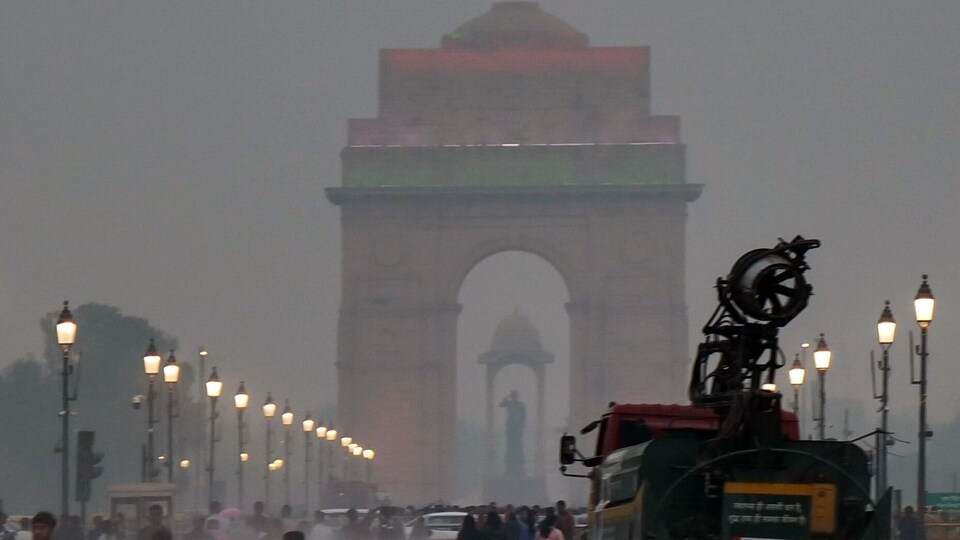
Strict anti-pollution curbs were reimposed in Delhi after the overall Air Quality Index (AQI) breached the 400 mark at 10 am today, December 13.
What’s banned under GRAP III?
- All non-essential construction and demolition work.
- Activities such as earthwork, piling, open trenching, welding, painting, plastering, tiling and flooring.
- Stone crushers, brick kilns and mining operations.
- Transport of construction materials like cement, sand and fly ash on unpaved roads.
- BS-III petrol and BS-IV diesel four-wheelers.
- Non-essential diesel-run medium goods vehicles.
- Inter-state diesel buses not running on CNG, electric or BS-VI standards.
Also read| Delhi imposes strict GRAP-3 anti-pollution curbs as air quality turns 'severe'
What’s allowed under GRAP III?
- Essential construction and projects: Construction linked to essential infrastructure projects, including metro rail, railways, airports, highways, defence projects, healthcare facilities and sanitation projects.
2. Vehicles used by persons with disabilities will be exempted.
3. Hybrid or online classes for students up to Grade 5.
What changed in GRAP?
The severity levels have been brought forward, meaning tougher rules will now apply sooner as pollution rises.
Under the proposed system, Stage 4 measures have now been moved to Stage 3. This means public, municipal and private offices will operate at 50% staff strength, and central government offices will switch to work from home when the AQI touches the Stage 3 range of 301–400, instead of waiting for it to cross 450.
Similarly, Stage 3 measures have been shifted to Stage 2. As a result, staggered government office timings will now kick in when the AQI enters the 201–300 band.
In addition, Stage 2 measures have been moved to Stage 1, bringing uninterrupted power supply to curb diesel generator use into effect earlier, at an AQI of 101–200.


