E-Paper



Don’t meddle in border dispute with India, China tells US
Chinese embassy spokesperson Ji Rong said China and India have the ability to resolve their border disputes bilaterally and Beijing won’t accept countries outside the region meddling which will endanger regional peace and stability.

 Prefer HTon Google


China on Thursday criticised what it described as “meddling” by the US in the border standoff with India, saying Beijing and New Delhi have the ability to resolve their disputes bilaterally.
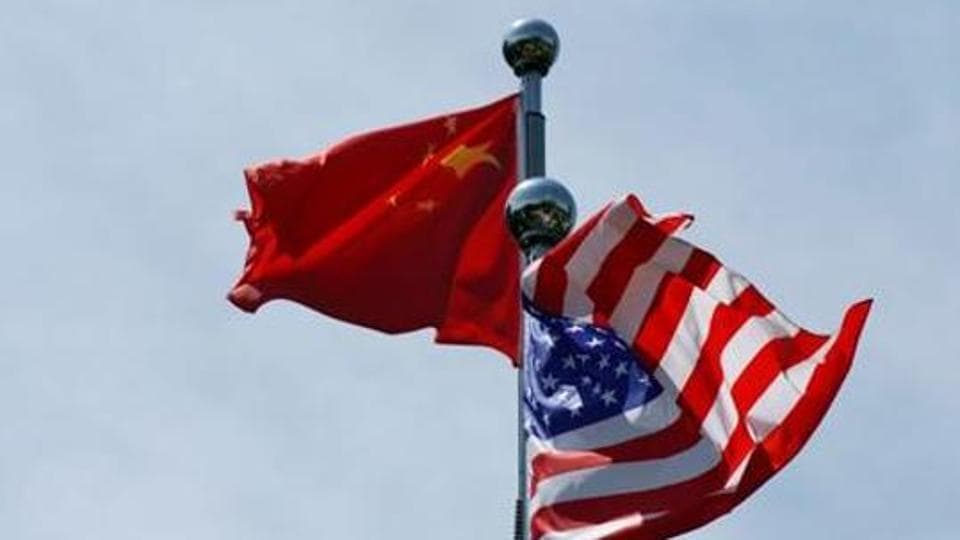
Chinese embassy spokesperson Ji Rong was responding to remarks on Monday by US deputy secretary of state Stephen Biegun, who had said Washington will push back against Beijing’s aggressive actions, including its “outsized” territorial claims on the border with India.
Ji said China favours a “fair, reasonable and mutually acceptable solution through peaceful and friendly consultations”. The two sides have been in talks at various levels to seek a peaceful settlement of the boundary issue, she said.
“China and India have the ability to resolve their border disputes bilaterally. We don’t accept countries outside the region pointing fingers, let alone meddling or making instigation, which will only endanger the regional peace and stability,” she added.
Ji also rejected other remarks made by Biegun at the leadership summit organised by the US-India Strategic Partnership Forum that were critical of China for its “outsized demands to claim sovereign territory in the Galwan Valley on the India-Chinese border or in the South Pacific” and its “assertion of national sovereignty over the territory and territorial waters of other countries”.
Nations need to enhance mutual understanding and friendly cooperation, and it is regrettable that senior US officials had violated the norms of international ties and “picked up fights virtually on every front and exploited every opportunity they can to slander and smear China”, she said.
“The Chinese side firmly opposes it. We urge the US side to respect facts and truth, stop smearing and spreading rumours,” Ji said.
She reiterated China’s assertion that it has “never provoked a war or conflict over the past 70 years” and always insisted on resolving territorial and maritime disputes with neighbours through consultations and negotiations on the basis of respecting historical facts to maintain regional peace and stability.
Ji described Biegun’s comments about “predatory practices from the Chinese economy” and “technical theft” as groundless, and said China has firmly maintained the multilateral trading system and an open global economy.
Issues related to Taiwan, Hong Kong, Tibet and Xinjiang are “China’s internal affairs” and “China does not accept external interference”, Ji said.
Ji also noted that 2020 marks the 70th anniversary of diplomatic ties between China and India, and the two sides should adhere to the strategic guidance of the leaders of two countries, strengthen mutual trust and cooperation, and resolve differences through dialogue and negotiation.
“As large developing countries and emerging economies, both China and India are pursuing independent foreign policies. We believe that China and India have the ability and wisdom to handle bilateral relations properly and jointly maintain regional peace and stability,” she added.