
 E-Paper



EC removes Bengal DGP: A look at recent instances of poll body’s intervention
In Tamil Nadu, which is also going to the polls next month, the EC has ordered income tax official KG Arunraj’s transfer out of Tamil Nadu to the Central Board of Direct Taxes headquarters

 Prefer HTon Google


The Election Commission (EC) on Tuesday ordered West Bengal police chief Virendra’s transfer to ensure he is not “directly or indirectly” involved in the conduct of elections being held in the state in eight phases from March 27. The move came after the Model Code of Conduct, which empowers the EC to order or halt administrative decisions to ensure a level playing field, came into force. Here are other transfers the EC has recently ordered:
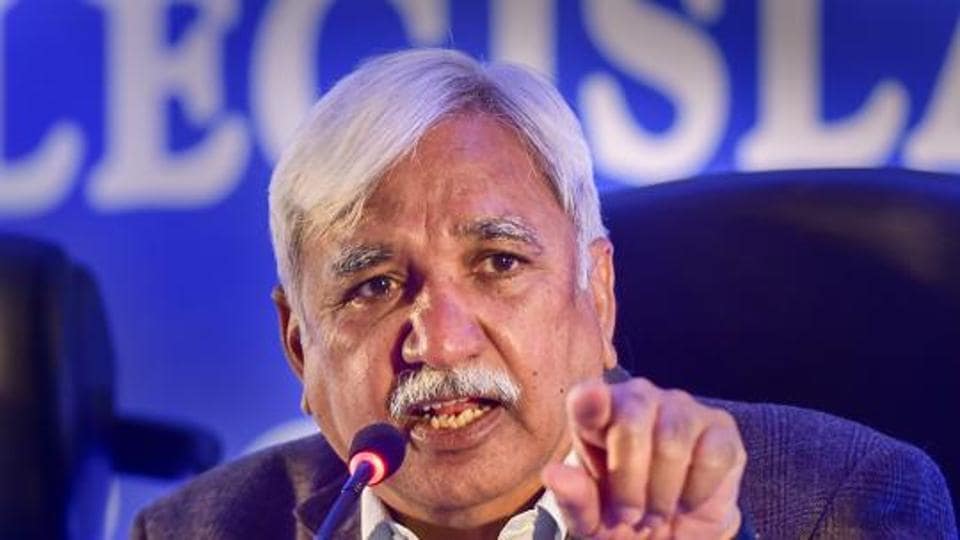
In Tamil Nadu, which is also going to the polls next month, the EC has ordered income tax official KG Arunraj’s transfer out of Tamil Nadu to the Central Board of Direct Taxes headquarters.
In poll-bound Assam, the Commission last month kept in abeyance the transfer of 18 police officers ordered by the state government. The EC ordered the transfer and postings of the officials involved in the elections should not be carried out until further orders.
Also Read | Sexual harassment case: EC directs suspension of Tamil Nadu SP
In 2019, the poll watchdog removed additional director general of West Bengal Rajeev Kumar from his post ahead of the Lok Sabha elections and attached him to the Union home ministry. The transfer prompted the state’s ruling Trinamool Congress to accuse the EC of acting at the Bharatiya Janata Party’s behest.
The Commission had also ordered that the principal secretary, home and hill affairs, in West Bengal be removed from his state for “interfering in the process of conducting the election”.
The EC in 2019 also ordered the transfer of Andhra Pradesh’s state intelligence chief AB Venkateswara Rao. The then Chandrababu Naidu-led Andhra Pradesh complied with the order only to reverse it the next day saying Rao was not involved in any election-related activities. Naidu questioned EC’s conduct and said the move was aimed at benefitting his political rivals under the Centre’s influence. The decision was challenged in the high court, which ruled in favour of the commission.


