
 E-Paper



Economy to revive from demonetisation setback by June, says govt
According to the official, the government expects some Rs 75,000 crore of high-value currency to remain unaccounted with around Rs 14 lakh crore deposited into the backs of the Rs 15.60 lakh crore that was floating in the market.

 Prefer HTon Google


The Narendra Modi government expects the economy to overcome the effects of demonetisation and take the path to revival by June 2017 as it believes that it has “crossed the hump” with more than Rs 10 lakh crore of new money pumped into the market and bank withdrawals already matching the money deposited each day.
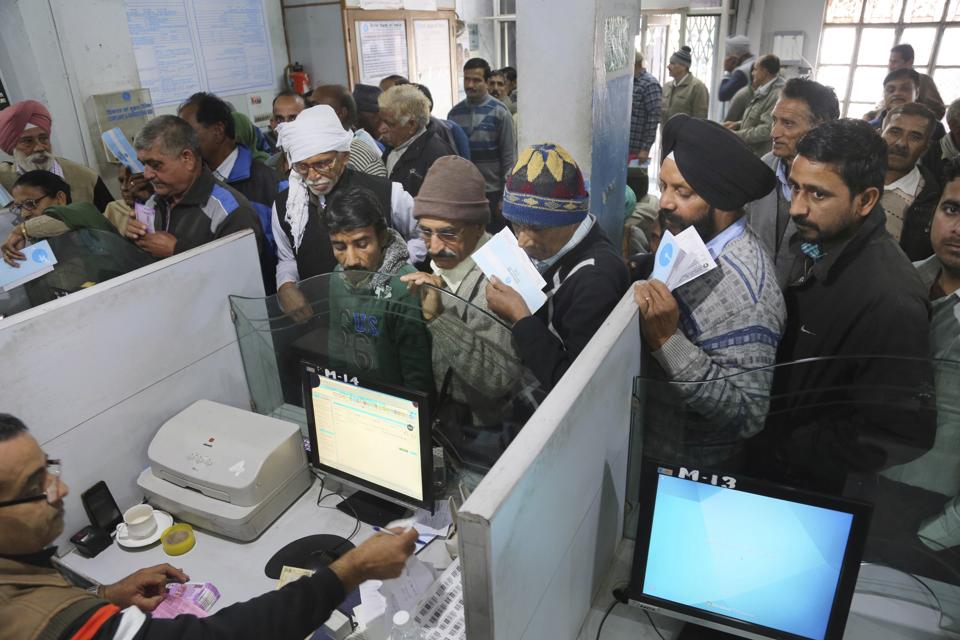
“We expect micro, small, medium enterprises, real estate sector and small traders who used to earlier deal with as much as 50% in unaccounted cash to join the growth wagon by June. As it is the private sector was not taking credit with investments limited to public sector in the pre-demonetisation phase,” said a top government official overseeing the implementation of the unprecedented step by PM Modi to declare 85-86% of the high value currency as illegal tender on November 8, 2016.
According to the official, the government expects some Rs 75,000 crore of high-value currency to remain unaccounted with around Rs 14 lakh crore deposited into the backs of the Rs 15.60 lakh crore that was floating in the market.
“With no estimates available on the figure of high value currency that will come from Nepal and Bhutan as well as some Rs 11,000 to Rs 12,000 crore that were deposited into cooperative banks due to confusion in the first four days, the exact figure of unaccounted money will take time to be calculated. Given that the RBI has only 60 machines that count, scan (for counterfeits) and shred the illegal tender, it will take the central bank 600 days to count the cash deposited in all of the machines that work 12 hours a day,” the official said.
However, the RBI, according to the official, was mulling removing the limits on ATM (Rs 4,500 per day), bank (Rs 24,000 per week) and current account (Rs 50,000 per week) withdrawals as the currency situation has eased off considerably and there is no longer any hoarding of cash due to panic.
Apart from the non-availability of estimates of currency to be deposited from Nepal and Bhutan, the government was also grappling to identify the black money deposited as white in banks through Jan Dhan, farmers accounts, dormant accounts, new accounts (some two crore new accounts were opened in 45 days post November 8, 2016).
“The Financial Intelligence Units (FIUs) have been tasked to mine data on accounts that have had deposits of over Rs 1 crore. Forensic analysis of such suspect accounts and ancillary shell companies through which payments were made have begun. We expect that once black money is identified by financial sleuths, the suspects will be forced to declare their income and pay 50% tax apart from keeping a specified amount in bonds for a specified period,” said the official.


