E-Paper



Expect harsher summers as La Niña weakens
La Niña is associated with the cooling of Pacific waters. A La Niña year generally receives good rainfall and temperatures are lower than normal.


The cooling effect of La Niña, a global weather pattern, has started waning, according to the India Meteorological Department (IMD), which said that it may completely turn neutral during April, resulting in a harsh summer.
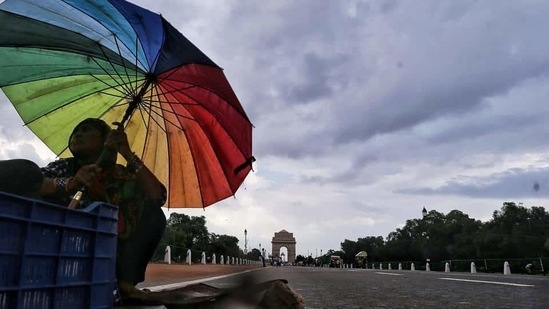
La Niña is associated with the cooling of Pacific waters. A La Niña year generally receives good rainfall and temperatures are lower than normal.
“La Niña has started weakening. It was at its peak in January and February. La Niña is often associated with lower temperatures in India. But that is now unlikely during the rest of the summer and monsoon months. But the actual weather conditions will depend on local synoptic features. For example, the interaction of westerlies and easterlies over central India is currently causing thunderstorm activity and temperatures have dropped. But overall, we can say La Niña will phase out gradually,” said DS Pai, senior climate scientist at IMD.
IMD’s monsoon mission coupled forecasting system has indicated the likely warming of sea surface temperatures (SSTs) over the central and eastern equatorial Pacific Ocean in April and May, which indicates a transition of La Nina condition to El Niño-Southern Oscillation (ENSO)-neutral condition. This means neither El Niño nor La Niña. El Niño is a warming of the ocean surface, or above-average sea surface temperatures.
There is also a high probability that La Niña will re-emerge after or during the monsoon, according to IMD. “The weakening of La Niña conditions indicates a harsh summer is likely. There is a 60% probability of ENSO-neutral conditions in April. Thankfully, there is no chance of El Niño which makes summer even harsher in India. Monsoon is likely to be also normal this year as both the impact of El Niño or La Niña will not impact. We are also expecting La Niña to re-emerge after monsoon so it may remain moderate during upcoming winter,” said Mahesh Palawat, vice president, climate change and meteorology, at Skymet Weather.
ENSO is a periodic fluctuation in sea surface temperatures and the air pressure of the overlying atmosphere across the equatorial Pacific Ocean, according to the National Oceanic and Atmospheric Administration (NOAA). ENSO has a major influence on weather and climate patterns such as heavy rains, floods and drought. El Niño has a warming influence on global temperatures, while La Niña has the opposite effect. In India, for example, El Niño is associated with drought or weak monsoon, while La Niña is associated with strong monsoon and above average rains and colder winters.
This winter was the third warmest since 1901, when IMD began keeping records, according to an IMD Pune analysis. It was also the second warmest in the past 120 years when minimum or early morning temperatures were considered. The warmest winter was recorded in 2016 followed by 2009.
Scientists were surprised by the warming this winter despite moderate La Niña, which normally has a cooling effect.