E-Paper



FATF shouldn’t get sidetracked by Pak claims, say experts
The Financial Action Task Force (FATF) should ensure Pakistan implements an action plan to curb terror financing instead of being sidetracked by Islamabad’s allegations

 Prefer HTon Google


The Financial Action Task Force (FATF) should ensure Pakistan implements an action plan to curb terror financing instead of being sidetracked by Islamabad’s allegations that New Delhi is politicising the watchdog’s processes, people familiar with developments said.
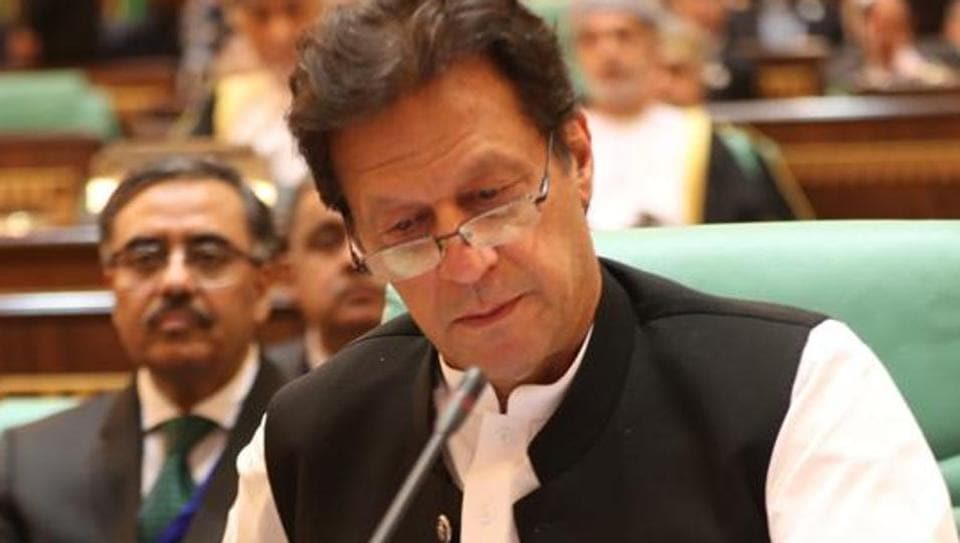
The people, including officials of at least four countries that have tracked Pakistan’s efforts to implement the 27-point plan since it was placed on FATF’s grey list in June last year, said the focus should be on Islamabad taking “credible, verifiable, irreversible and sustainable” steps to end terror funding and terrorism emanating from territory under its control.
Following a plenary meeting that ended in Orlando, Florida, on Friday, the FATF said Pakistan had failed to meet targets for controlling terror financing for the second consecutive time. The multilateral watchdog tacitly warned Pakistan could be placed on its black list if it failed to complete its action plan by October.
When India on Saturday said it expected Pakistan to implement the action plan in line with its political commitment to FATF, Islamabad responded by describing New Delhi’s position as “preposterous and unwarranted”.
Pakistan’s Foreign Office spokesman accused India of making “relentless efforts to politicise the deliberations of FATF” and said the watchdog’s membership should take “cognisance of this continuing malicious campaign”.
However, the people cited above said Pakistan was resorting to a “false ploy of politicisation of the FATF process” to divert attention from implementing the action plan and to evade scrutiny of its poor compliance with global standards for money laundering and terror financing.
Several reports in Pakistani media showed the country’s leadership had approached the political leadership of FATF member states to seek their support to avoid being put on FATF’s black list. Such steps were tantamount to Pakistan politicising the technical processes of the FATF.
Pakistan’s foreign minister Shah Mahmood Qureshi too visited FATF member states before the Florida plenary and made public statements about using diplomacy to overcome deficiencies pointed out by a technical body affiliated to the FATF.
The FATF includes 36 member states and two regional organisations, the Gulf Cooperation Council and the European Commission. Several key member states, including France, the UK and the US, have called on Pakistan in recent months to crack down on terrorists operating from its soil.
It is understood that Pakistan’s “iron brother ally” China, which will take over the FATF’s presidency from the US next month, lobbied with several members of the watchdog before and during the plenary on Pakistan’s behalf. Recent reports in the state-run Turkish media said China, Malaysia and Turkey had voted at the Florida plenary to oppose a move to put Pakistan in the black list. According to the FATF’s charter, a move cannot go through if it is opposed by at least three member states.