E-Paper



First batch of Indian civilian personnel reaches Maldives to operate 3 aircraft
President Mohammed Muizzu, widely perceived as being close to China, has sought to move the Maldives away from dependence on India in crucial sectors

 Prefer HTon Google


NEW DELHI: India said on Thursday that the first batch of Indian “technical personnel” had reached the Maldives to replace military personnel who were operating two helicopters and an aircraft used mainly for humanitarian assistance and disaster relief operations.
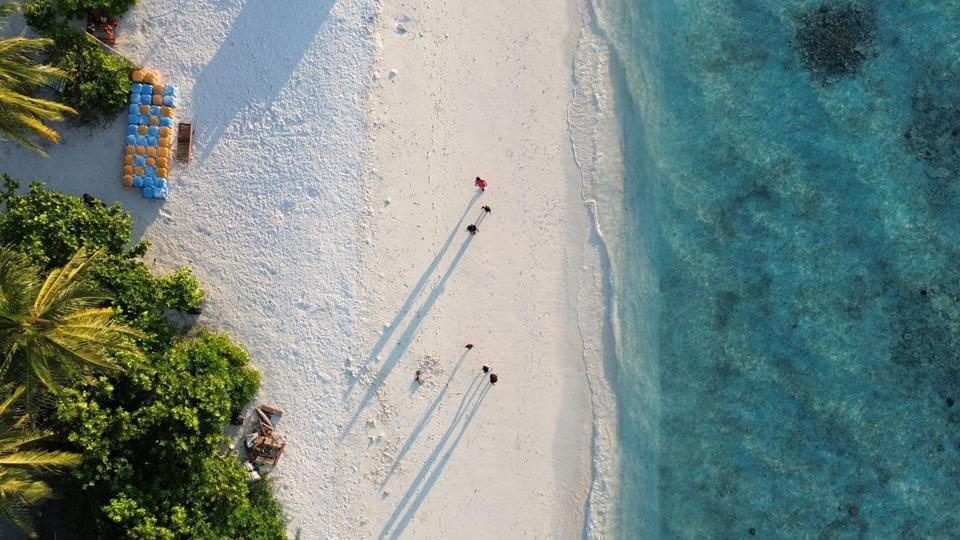
The move follows an ultimatum given by the Maldives pro-China President Mohamed Muizzu for withdrawing all Indian military personnel from the Indian Ocean archipelago. Close to 80 Indian personnel are stationed in the Maldives to operate two Advanced Light Helicopters and a Dornier aircraft provided by India.
“The first batch of [Indian] technical personnel to operate an Advanced Light Helicopter at Gan [island] has reached the Maldives. It will replace the existing personnel that were until now operating this platform,” external affairs ministry spokesperson Randhir Jaiswal told a media briefing.
He declined to give details about the team, including its strength, and did not specify the date for the third meeting of a core group set up by India and the Maldives to deal with the issue of the military personnel. Such issues are “decided in mutual consultation”, he said.
The defence ministry of the Maldives announced on Monday that the first team of Indian civilian personnel had reached the country to replace the military personnel. It also said the Indian military personnel station on Addu, the country’s southern-most atoll, will leave the Maldives by March 10.
Following the second meeting of the core group earlier this month, the Maldivian foreign ministry said India would replace military personnel for one aircraft by March 10 and complete replacing all the personnel by May 10. The Indian side said that both countries had agreed on “mutually workable solutions” for operating the three aircraft.
Muizzu, widely perceived as being close to China, has sought to move the Maldives away from dependence on India in crucial sectors such as food security and defence following his victory in last year’s presidential election. Besides finalising arrangements with Sri Lanka for medical evacuation services, Muizzu’s government has signed agreements with Turkiye to drones to be used for maritime surveillance.
The Maldives government has also said it will carry out all maritime surveillance operations by itself, instead of depending on other countries.
The Maldives has been one of the biggest beneficiaries of India’s “Neighbourhood First” policy and New Delhi has poured billions of dollars, including grants and soft loans, into development and infrastructure projects. The budgetary allocation for the Maldives in India’s budget for 2024-25 was ₹779 crore, up from ₹600 crore projected earlier.