
 E-Paper



From Old Delhi to Lutyens' zone, water crisis in Capital: What's causing it, and for how long | Explained
Disruption has left swathes of Delhi, particularly in the city’s north, northwest, west, southwest and central regions, with dry taps

 Prefer HTon Google


Delhi is experiencing disruptions in its water supply with six of its nine major water treatment plants either non-functional or operating well below capacity, as of Friday. This is not a one-day disruption either, as the shortage is now threatening to extend into early February.
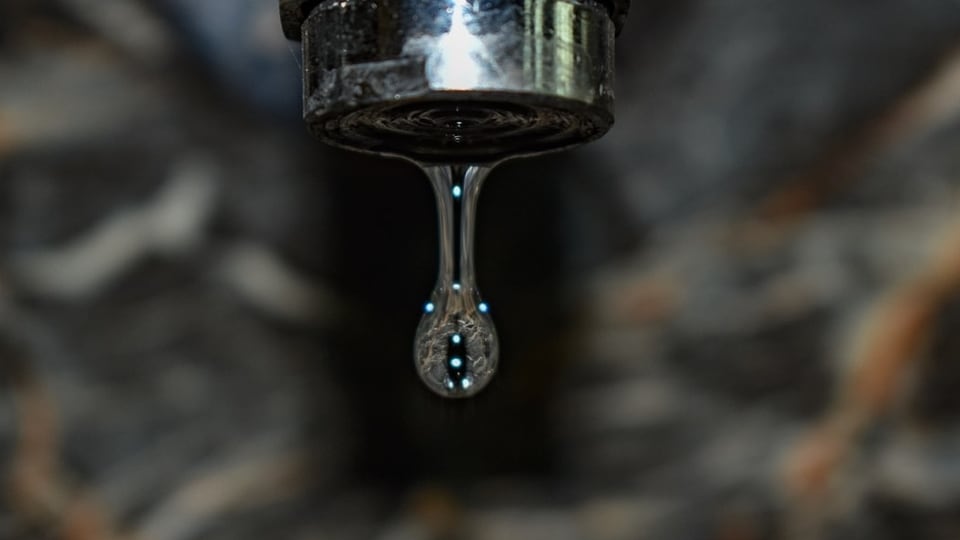
The crisis is caused by pollutants that cannot be removed due to issues with the treatment plants for the water.
However, on the pollution front, there is some respite when comes to the air at least. The national capital is experiencing a spell of rain and the air quality is improving. The Commission for Air Quality Management (CAQM) removed the Stage 3 pollution curbs under the Graded Response Action Plan (GRAP) on Thursday.
What has led to Delhi’s water disruption crisis?
The Delhi water disruption crisis stems from two concurrent issues.
- First, dangerously high levels of ammonia in the Yamuna have forced two critical plants to halt operations.
- Along with the ammonia issue, unscheduled repair work on the Munak Canal in Haryana has drastically reduced raw water supply to four other facilities.
What's the status of water treatment now?
At this time, only three plants fed by the Upper Ganga Canal from Uttar Pradesh remain fully operational. The disruption has left swathes of Delhi — particularly in the city’s north, northwest, west, southwest and central regions — with dry taps, HT has reported.
The Delhi Jal Board (DJB) on Thursday confirmed the complete shutdown of the Wazirabad Water Treatment Plant (WTP), which is the city’s largest such facility which supplies 110 million gallons per day (MGD) to central, north, south, and New Delhi areas, including the New Delhi Municipal Council (NDMC) zone, Old Delhi, and areas such as Model Town and Defence Colony. The Chandrawal plant was also severely impacted by the polluted river water.
According to NDMC officials, even Lutyens' Delhi, the seat of power for the country, has seen its supply cut by 45-50 per cent.
Plus, the unscheduled maintenance on the canal in Haryana has crippled work at four treatment plants: Haiderpur, Dwarka, Bawana, and Nangloi.
When will water disruption in Delhi end?
Maintenance on the Munak canal by the Haryana government is expected to last till February 4.
The DJB said it received notice regarding the canal closure from Haryana’s irrigation department only on January 19. Due to this maintenance, the canal is now supplying only half the raw water it should, further compounding the crisis. The system normally supplies approximately 1,000 million gallons per day to the city.
Which areas are affected?
The effects of Delhi's water disruption crisis have already started being felt in parts of the city. According to the North Delhi Residents’ Welfare Association, the entire belt from North Campus to West Delhi has been affected, with the reserves in overhead tanks running dry.
Even in upscale South Delhi localities such as Greater Kailash, residents reported extremely low water pressure. The NDMC on Thursday listed numerous affected areas under its jurisdiction, including RK Puram, Moti Bagh, Sarojini Nagar, Shivaji Stadium, Panchkuian Road, and parts of Chanakyapuri, among others, warning that evening supplies would also remain disrupted.
Ammonia a seasonal issue, so why crisis now?
Officials explained that ammonia spikes in the Yamuna are a chronic winter issue, occurring 15 to 22 times a year, typically between December and March, as the river’s flow recedes due to a lack of rain upstream.
The treatment plants are designed to handle ammonia concentrations up to 1 part per million (ppm). Current levels have exceeded 3ppm, rendering the water “untreatable”.
The standard mitigation tactic is to divert cleaner water from the Munak canal to the Wazirabad pond to dilute the water. But that has failed this time, because the canal itself is under maintenance.
Furthermore, a dedicated ammonia treatment plant for the Wazirabad facility, announced in the 2022-23 budget to address this exact vulnerability, has remained a non-starter.
The city draws roughly 40.8 per cent of its supply from the Yamuna and related canals, 26.5 per cent from the Ganga via UP, and 23.1 per cent from the Bhakra storage via Haryana.
A DJB official said the supply from Ganga is being rationalised to reduce the impact, but officials familiar with the matter said the deficit is too large to fully offset.
The Delhi government has written to the Haryana government, requesting an increased release of water from the Hathini Kund barrage to dilute ammonia levels in the Yamuna.
(With inputs from Paras Singh)


