E-Paper



G20 declaration has to reflect Ukraine crisis to remain credible: US negotiator
Several countries, including incoming G20 president Brazil and Russia, have suggested different formulas for referring to Ukraine.

 Prefer HTon Google


NEW DELHI: The Ukraine war is a major issue affecting the global economy and the leaders’ declaration at the upcoming G20 Summit has to accurately reflect the issue for the grouping to remain a credible institution, a top US negotiator has said.
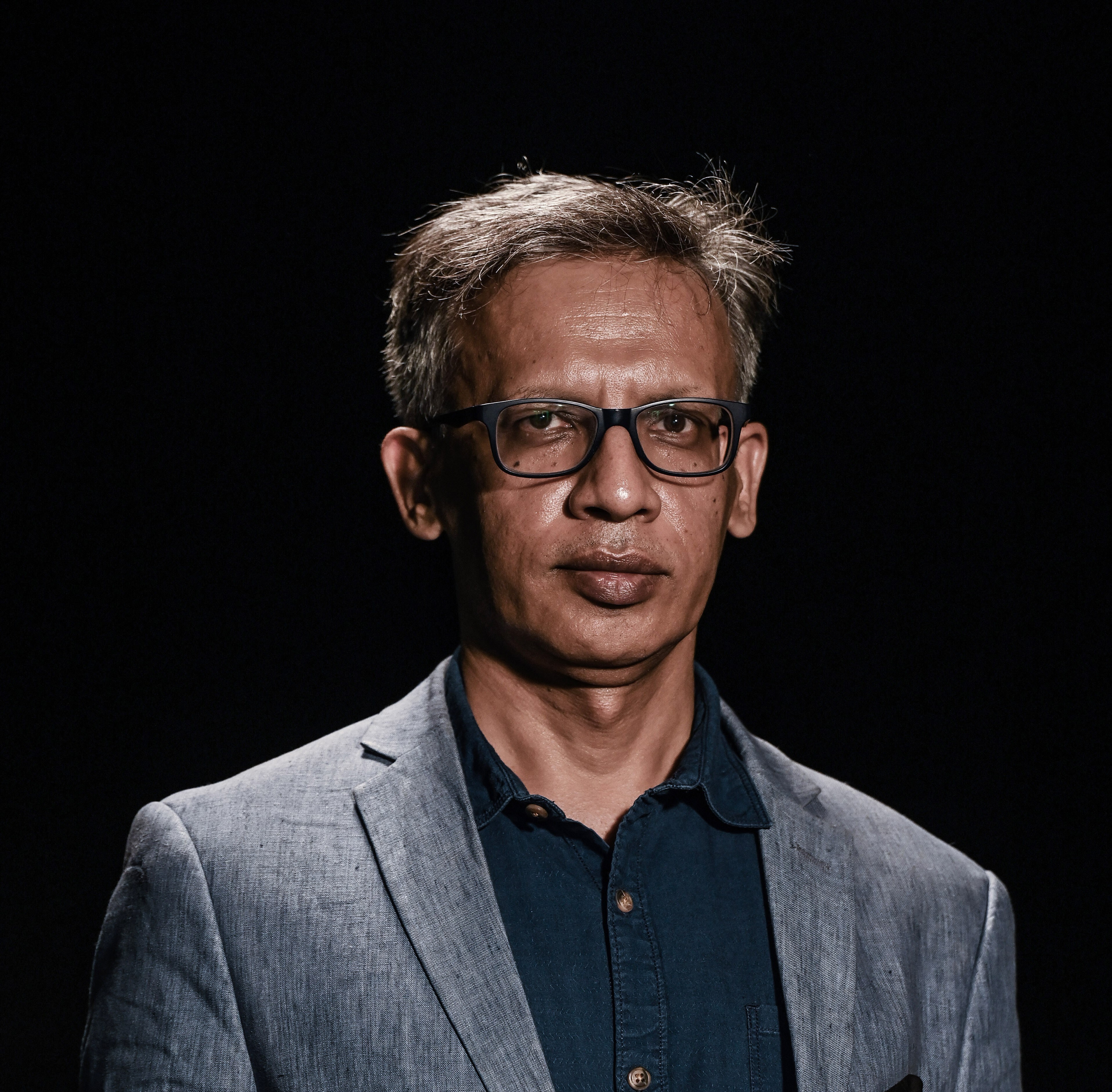
Christina Segal-Knowles, the US soux sherpa or deputy head of the delegation that participated in the G20 sherpas’ meeting in Hampi, said the text referring to the Ukraine crisis doesn’t have to be exactly the same as that used in the Bali leaders’ declaration of 2022, and that all countries should be transparent and honest while working to find “language that everyone can agree to”.
India’s G20 Sherpa Amitabh Kant said the Ukraine issue was put on the back burner at the meeting in Hampi so that G20 members could take forward discussions on deliverables in areas such as accelerated growth and digital public infrastructure (DPI). Segal-Knowles said the US was very supportive of this approach of discussing the substance of deliverables for the G20 Summit in September.
“The US position is that we need to find a way, as the G20, to be able to talk about the major issues affecting the global economy. The war in Ukraine is certainly a major issue that’s affecting the global economy...We need to be able to talk about that for the G20 to remain a credible institution,” she said.
“We’re going to have to find compromise language. The US is not wedded to [an approach that] it has to be exactly the Bali language, it has to be this word or that word,” she said, noting that G20 members should learn from the compromise made at the last summit, rather than reinventing the wheel.
“But we certainly are not dogmatic...we know that we’re going to have to sit together and find a way forward to describe this [issue] because the G20 needs to be relevant and it needs to be able to talk about the big issues,” she said.
Several countries, including incoming G20 president Brazil and Russia, have suggested different formulas for referring to Ukraine, and Segal-Knowles said the key is making sure all countries “are willing to be transparent, to work together, to be honest and to come in the spirit of finding language that everyone can agree to”.
She added, “I think...as long as all countries are willing to work to honour the Indian Presidency to make sure we can have that consensus document and also to make sure that the G20 can continue as a functioning institution, I think we can get there.”
The US side has been aligned with the Indian side regarding deliverables for the G20 Summit in New Delhi, including the evolution of multilateral development banks and ensuring that international institutions fully support the sustainable development goals (SDGs), Segal-Knowles said. The two sides are also working on the common framework for debt relief for vulnerable countries and women-led development.
“When you look at the statement that we had between President [Joe] Biden and Prime Minister [Narendra] Modi, there’s a huge agenda there,” she said.
Referring to India’s push for DPI at the G20, she said: “I’m really hopeful that we’ll have some very strong text on DPI...I think it’s really important for the US that we make sure that, when we’re thinking about DPI, we’re thinking about the impact on individuals, we’re making sure we’re safeguarding human rights [and] privacy, we’re making sure that we are thinking about the full spectrum of protection, regulation and other things that are needed to go along with that infrastructure...”.