
 E-Paper



Ghulam Nabi Azad’s five-page resignation letter points to many attempts at Congress overhaul
Azad’s biggest disappointment may perhaps be that the 2013 brainstorming session of the party in Jaipur -- this was the one where Rahul Gandhi became the party’s vice president

 Prefer HTon Google


New Delhi: Ghulam Nabi Azad’s five-page resignation letter addressed to Congress President Sonia Gandhi mentioned three brainstorming sessions, the earliest in 1998 and the most recent in 2013, in which he chaired the working group on organizational affairs and came up with recommendations that “regrettably” were not “properly implemented.”
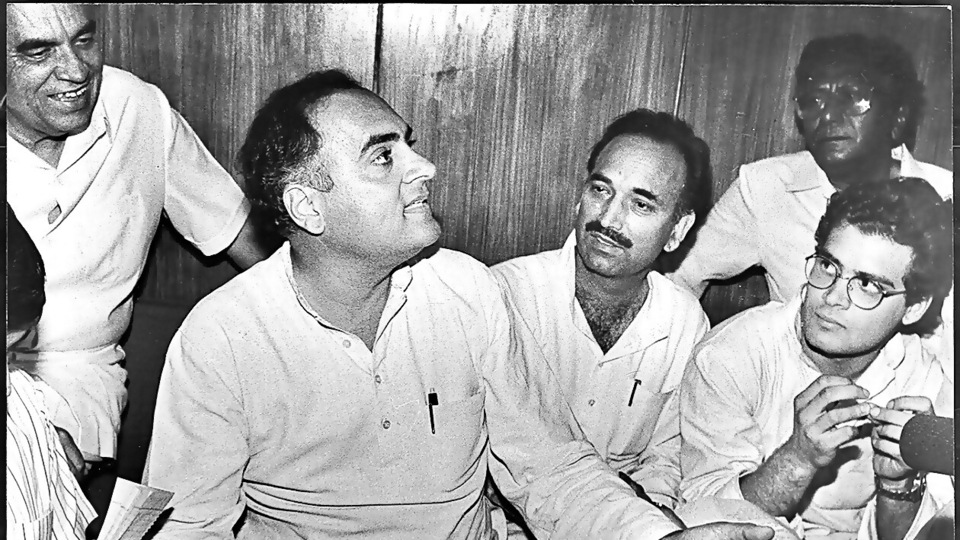
The earliest, the Panchmari brainstorming session, was held months after Sonia Gandhi became the Congress president in 1998. Even as the Panchmari shivir became known for the Congress party’s stand on coalition—it didn’t favour building coalitions and termed coalition governments as “transient phase”—the party adopted a 14-point programme to revitalize itself.
This included top priority for the party’s revival in three states, Uttar Pradesh, Tamil Nadu and Bihar that now account for 159 Lok Sabha seats. The Panchmari meeting also proposed setting up of a Congress Election Authority with top leaders. And it spoke about elections at all levels of the organization. None of this came to pass.
The next brainstorming meeting in Shimla, in 2003, overwhelmingly supported coalitions, sensing that these were the future. It agreed on the importance of coalition with “like-minded parties”.
Azad’s biggest disappointment may perhaps be that the 2013 brainstorming session of the party in Jaipur -- this was the one where Rahul Gandhi became the party’s vice president -- spoke about electing leaders, particularly those belonging to the scheduled castes and tribes, other backward classes, and minorities, at the grassroot levels of blocks and districts. It also suggested better adoption of newer technologies for an effective communications strategy—something the Congress is still grappling with. Most significantly, that session cautioned the party against “nepotism”—an allegation that is still relevant today.
“In January of 2013 at Jaipur, I had proposed, with the assistance of other members of the Committee, a detailed action plan to revitalize the party in the run up to the Lok Sabha elections,” Azad wrote in his letter. He pointed out that the CWC approved the recommendations that were supposed to be implemented... before 2014.”
“Unfortunately, these recommendations are lying in the storeroom at AICC for the past nine years,” he wrote, adding that despite his repeated reminders to Sonia Gandhi and Rahul Gandhi “no effort was made to even examine them seriously.”
The Congress party has refused to comment on the issues raised by Azad.


