
 E-Paper



Give me books, not flowers: K’taka minister’s push to promote Kannada
A simple request to gift books instead of flowers by a newly elected minister in Karnataka has turned into a campaign of sorts to promote and save the Kannada language as people came forward and gifted him thousands of books


A simple request to gift books instead of flowers by a newly elected minister in Karnataka has turned into a campaign of sorts to promote and save the Kannada language as people came forward and gifted him thousands of books.
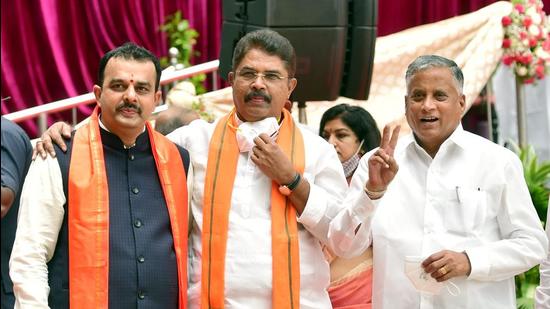
V Sunil Kumar, the newly sworn in minister for Energy, Kannada and Culture on Monday requested people who come to congratulate him not to gift flowers and other items but present books instead. “I request that no one give me flowers and other items but instead give me Kannada books,” the minister had said, adding, “Read one paper a day and buy a book a month and if we do this, we can save Kannada.”
Talking about the response he received from people, Kumar said, “People gave books and the chief minister gave me Kannada and the Culture department. “It is a good response and I had stated that I would donate them to the library. I received thousands of them and will give them to the library in Karkala (Udupi district) and any additional ones will be given to gram panchayats,” he added.
In Karnataka, like the common practice in other states across India, there is a culture of felicitating ministers with expensive shawls, bouquets, figurines or statues among other items as a mark of respect.
Karnataka attracts migrants--both white and blue—from across the country and the globe. However, there has been little done to promote the language which has been threatened by the excessive use of Hindi and the push to promote it as a national language which pro-Kannada activists and others have termed as an imposition and threat to the native tongue. Non-Hindi speaking states have protested the union’s push to make Hindi the common tongue.


