E-Paper



Govt plans medical facilities for victims of chemical, biological, nuclear attacks
The Union ministry of health and family welfare has sanctioned the construction of four hospitals, each with 50 beds, for the purpose.


India plans to build treatment facilities for patients exposed to chemical, biological, radiological and nuclear (CBRN) attacks as part of its comprehensive disaster management plan.
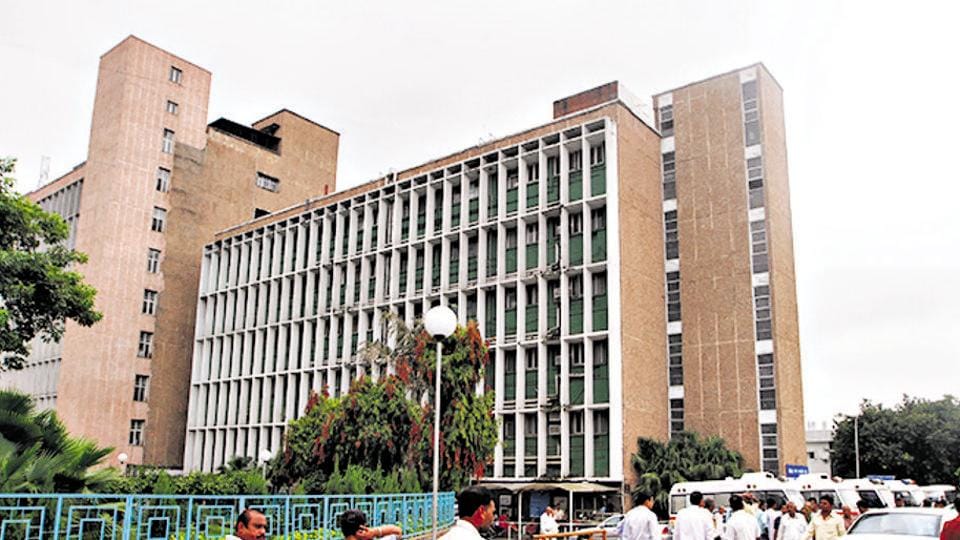
The Union ministry of health and family welfare has sanctioned the construction of four hospitals, each with 50 beds, for the purpose. “As of now, we do not have a facility dedicated to treating CBRN victims. This is part of the Centre’s broader disaster management plan. The ministry has already sanctioned Rs 80 crore for each hospital, and will allot more if required,” said Dr Jagdish Prasad, director general of health services.
The hospitals are expected to come up in Tamil Nadu, West Bengal, Maharashtra and Delhi.
In the national capital, the health ministry plans to build the facility on the premises of either Safdarjung Hospital or the All India Institute of Medical Sciences (AIIMS). Land has already been allotted for the purpose in the other three states.
“The original plan was to set it up at Safdarjung Hospital, but there seems to be some problem. So, we might just have to borrow an acre of land from AIIMS instead,” said Dr Prasad.
The ministry trains medical personnel from various states to handle CBRN victims in collaboration with agencies such as the Bhabha Atomic Research Centre in Mumbai. These trained personnel then become a part of state rapid response teams.
Using CBRN weaponry is considered an unconventional warfare technique, and specialists are required to handle situations where hazards such as these are present. “Though we are keeping ourselves prepared, it is not meant only to handle terror attacks. There have been instances of disaster such as the 2010 Mayapuri radiation leak, where a dedicated facility of the kind would have helped,” said Dr Prasad.