E-Paper



Govt project work damaged heritage site of Puri temple, Archaeological Survey Body informs Orissa HC
Protests had erupted in the temple town in the past two months over excavations as much as 20ft deep carried out using JCB machines, some of which were just 7 metres from the temple precincts. Defending the digging, Puri district administration had said it had approval from the Monuments Body.

 Prefer HTon Google


A state construction agency might have destroyed archaeological remains around the 12th century Jagannath temple in Puri by carrying out deep excavations to build a corridor around the world heritage site, the Archaeological Survey of India (ASI) told the Orissa high court on Monday.
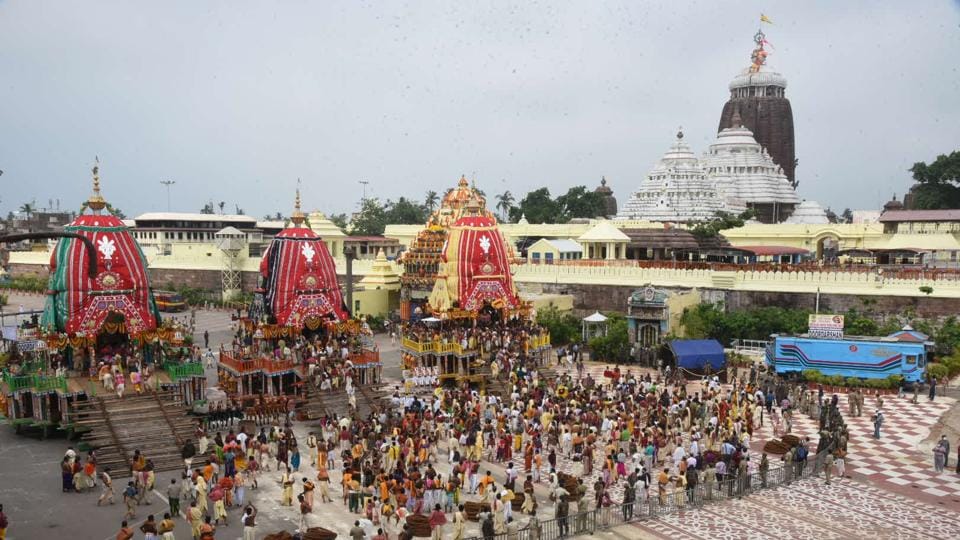
“At several locations as seen from the cuttings/section, it is evident that removal of about 15 to 20 feet stratified deposit have taken place, which has caused irreparable damage to the heritage site,” the ASI said in an affidavit. “During the discussion, Odisha Bridge and Construction Corporation (OBCC) officials were clueless about the method of soil removal and cultural findings from the digging.”
Protests had erupted in the temple town in the past two months over excavations as much as 20ft deep carried out using JCB machines, some of which were just 7 metres from the temple precincts. Defending the digging, Puri district administration had said it had approval from the National Monuments Authority (NMA).
No heritage impact assessment studies were conducted before starting construction of the Srimandir Parikrama project, and no ground-penetrating radar survey was conducted to ascertain the archaeological and historical remains lying buried in the subsoil within a 75 metre radius of the centrally protected monument, the ASI said in the affidavit on Monday.
“Though the construction work of the project comes within both the prohibited and regulated areas of temple, the managing director of OBCC said as on date there is no permission or approval of National Monuments Authority/competent authority for structural activities and its design of Shree Mandira Parikrama Project,” the affidavit stated.
In November last year, Odisha chief minister Naveen Patnaik had laid the foundation stone for the ₹3,200 crore Shrimandira Parikarama project, in which the entire area within the 75 metre perimeter of the Jagannath Temple will be transformed into a heritage corridor for the benefit of devotees.
The area around the temple will be divided into nine zones, according to the project plan. A 7m green buffer zone adjacent to the Meghanad Pacheri, or the boundary wall, will be built, followed by a 10m long Antar Parikrama for the ceremonial procession of the deities. There will also be an 8m long outer pradikshyan for devotees and a 10m public conveyance zone with restrooms, drinking water fountains, information kiosks, shelters and pavilions.
There have been deviations from the project design submitted by OBCC to NMA, the ASI said. The height of various structures have been increased and more units have been added, it said. Foundation trench for the reception centre has already been excavated inside a prohibited area, the affidavit stated. The corridor project is also silent about the development and renovation of monasteries around the temple, ASI said.
The high court started hearing the matter after Puri town resident Dilip Baral filed a PIL in March alleging that constructions have taken place within the prohibited zone of 75 metres of the temple.
The ASI’s affidavit was refuted by advocate general Ashok Parija, following which the court asked the state government to submit a counter affidavit by June 20.
The project has been dogged by controversies since the state government started razing old monasteries around the temple. The project hit a hurdle in January last year when the monuments authority proposed a draft law that banned any construction within 100 metres from the temple under the Ancient Monuments and Archaeological Sites and Remains (Amendment and Validation) Act, 2010.
It also proposed a further 200 metre area as regulated, where construction is not prohibited but have to be approved by the authority. The NMA withdrew the draft after protests by the ruling Biju Janata Dal in Odisha.
Last month, Bharatiya Janata Party parliamentarian Aparajita Sarangi had undertaken a foot march to the temple town to protest the excavations, which she said was in violation of the law regulating ancient monuments and archaeological sites.
She also entered into a war of words with BJD MP Pinaki Mishra, when the latter claimed that only a few restrooms and cloakrooms were to be constructed around the temple.