
 E-Paper



ICMR report highlights ‘antibiotic resistance’ to UTIs, Typhoid, and Pneumonia
The ICMR report concentrated on frequently used antibiotics for treating conditions like fevers, diarrhoea, pneumonia, and other bloodstream infections.

 Prefer HTon Google


A recent report by the Indian Council of Medical Research (ICMR) said that diseases like urinary tract infections (UTIs), blood infections, pneumonia, and typhoid have developed resistance to commonly used antibiotics, making treatment more difficult.
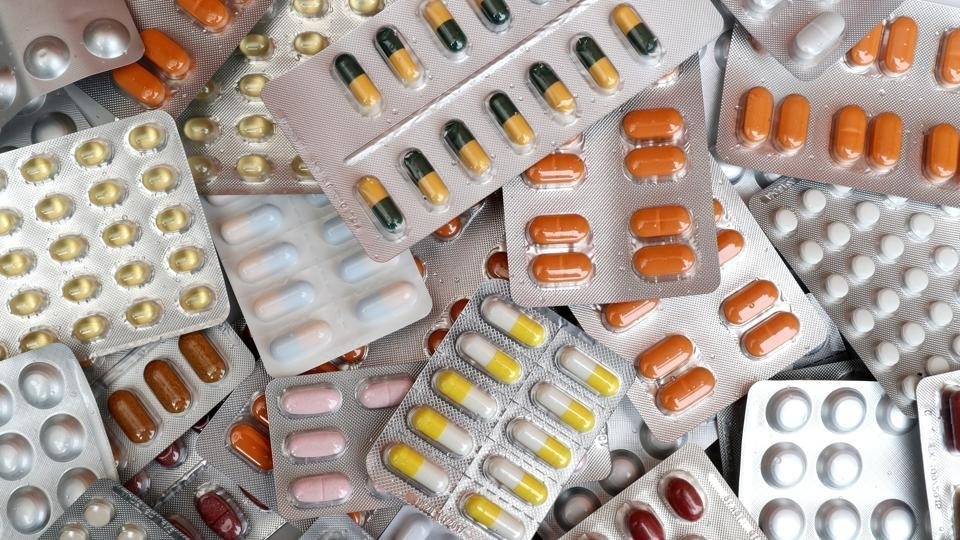
The ICMR’s Antimicrobial Resistance Research and Surveillance Network released its 2023 annual report, the seventh comprehensive review of antimicrobial resistance (AMR) trends, based on data collected from January to December 2023. The findings show a worrying increase in antibiotic resistance nationwide.
The report concentrated on frequently used antibiotics for treating conditions like upper respiratory infections, fevers, diarrhoea, pneumonia, sepsis, community-acquired pneumonia, and various bloodstream infections.
Previously, a survey by the National Centre for Disease Control (NCDC) under the Union Health Ministry found that nearly half of the antibiotics prescribed in India contribute to antimicrobial resistance.
Here are the detailed findings
The report, based on data from hospitals and clinics across India from January 1 to December 31, 2023, analyzed 99,492 samples from public and private healthcare centres.
It highlights a concerning rise in antibiotic resistance and decreasing susceptibility of common bacteria. The study examined culture-positive isolates from blood, urine, respiratory infections, deep infections, and other specimens, with contributions from 21 regional centres nationwide.
ICMR's full report here
The report tested antibiotics on bacteria like E. coli, Klebsiella pneumoniae, Pseudomonas aeruginosa, and Staphylococcus aureus, found in samples from blood, urine, the respiratory tract, and other infections.
“Continuous surveillance of antimicrobial susceptibilities is crucial for tailoring empiric antibiotic therapy, optimizing patient outcomes, and controlling the spread of resistance,” the report said.
It calls for immediate action to combat the rising threat of antibiotic resistance and stresses the need for tighter regulations on antibiotic use.
The report also pointed out the misuse of important antibiotics in agriculture, which accelerates resistance. It stressed that stronger steps are needed to safeguard the effectiveness of essential antibiotics for human and animal health.
ICMR report highlights key diseases facing antibiotic resistance in India
- One of the key findings was the growing resistance of E. coli, particularly in both ICU and outpatient settings. E. coli was the most persistent bacteria across OPD, ICU, and ward settings, showing poor responsiveness to antibiotics like cefotaxime, ceftazidime, ciprofloxacin, and levofloxacin, with susceptibility rates falling below 20%.
- Similarly, Klebsiella pneumoniae and Pseudomonas aeruginosa also showed increasing resistance, especially to critical antibiotics like piperacillin-tazobactam, imipenem, and meropenem.
- The report highlighted a gradual decline in antibiotic effectiveness over time. For example, the effectiveness of piperacillin-tazobactam dropped from 56.8% in 2017 to just 42.4% in 2023.
- Even widely used antibiotics like amikacin and meropenem are becoming less effective at treating infections.
- Gram-negative bacteria, which can cause infections throughout the body, are the most frequently found pathogens in key samples, such as blood, urine, and lung specimens.
- ICMR researchers discovered that bacteria responsible for gastroenteritis, like Salmonella typhi, have developed over 95% resistance to fluoroquinolones, a class of antibiotics often used to treat severe infections.


