
 E-Paper



Immunity lasts at least a year after infection, gets stronger after jab: Study
The researchers followed up with 63 people who were infected with Covid-19 1.3 months, 6 months and 12 months after they got infected. Of these, 26 (41%) received one dose of either the Pfizer-BioNTech or the Moderna vaccine.

 Prefer HTon Google


Antibodies and immune memory among people who contract Covid-19 remains stable up from six months to a year, and they get even better protection when vaccinated, according to a study published on Monday, which also found the body’s defences to have evolved over time to offer protection from mutations.
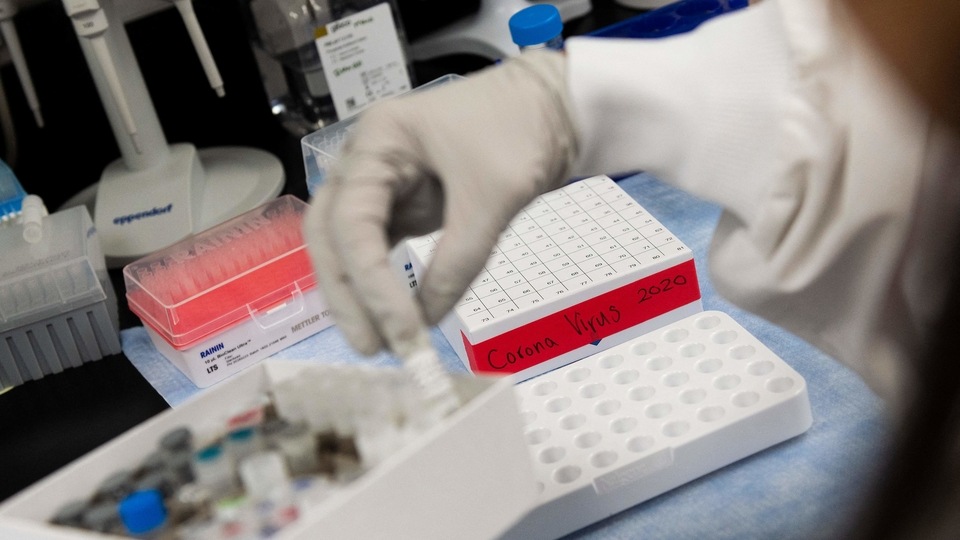
The findings, from researchers led by a team from Rockefeller University and Weill Cornell Medicine in New York, were published in Nature as an accelerated article on Monday, and offer among the first concrete clues that immunity to the Sars-Cov-2 may be long-lasting.
The researchers followed up with 63 people who were infected with Covid-19 1.3 months, 6 months and 12 months after they got infected. Of these, 26 (41%) received one dose of either the Pfizer-BioNTech or the Moderna vaccine.
“In the absence of vaccination, antibody reactivity to the receptor binding domain (RBD) of Sars-Cov-2, neutralising activity and the number of RBD-specific memory B cells remain relatively stable from 6 to 12 months,” said the paper.
It added that in the case of those who got the vaccine, all components “of the humoral response” – or the antibodies that bind to and neutralise the virus – increased and even neutralised variants of concern (VOC) in a manner that was similar or better than how people fought off the original virus that first emerged from Wuhan in 2020.
The study‘s findings could provide important clues about the future of the pandemic and, partly, answer one of the crucial questions that have been asked since the pandemic began: How long will immunity last? The answer seems to be 12 months.
Experts who reviewed the study and spoke to HT said the findings were promising.
“It is incredibly promising that immune response lasts for 12 months with natural infection. Also the immune response becomes significantly stronger after immunisation. This study shows that natural infection will lead to long lasting, at least over one year, population immunity and prevent huge surges of infections in future waves,” said Manoj Jain, infectious disease doctor and epidemiologist at Emory University, Atlanta.
Jain said while the protective response against the mutant variants for 12 months was encouraging, particularly positive was the “boost in the immune response against the variants after the vaccine”.
“However, the Nature study did not look at neutralising response again the Delta (B.1.617.2) variant which was the predominant one in India during the second wave. While we need laboratory and clinical trials on protection against each of the virus mutations, the present study is great news that our natural immunity and the vaccines are protective against many of the variants,” he added.
The Nature study also reported several other crucial findings: persistent long-term symptoms appeared to reduce in people 12 months after their infection, when compared to six months. “Only 14% of the individuals reported persistent long-term symptoms after 12 months, reduced from 44% at the six-month time point,” the authors said.
The authors also note that of the four variants they tested – Alpha (B.1.1.7), Beta (B.1.351), Gamma (P.1) and Eta (B.1.525), the lower neutralising activity was seen with Gamma, the variant seen first in South Africa.
The researchers also found that the 12-month follow-up confirms a finding they saw at the six-month mark: the body’s adaptive immunity keeps evolving to better understand the Sars-CoV-2.
In concluding, they noted that this “remarkable evolution” and the robust enhancement of immune response after vaccination suggests “that convalescent individuals who are vaccinated should enjoy high levels of protection against emerging variants without a need to modify existing vaccines.”
“If memory responses evolve in a similar manner in naive individuals that receive vaccines, additional appropriately timed boosting with available vaccines should lead to protective immunity against circulating variants,” they said.


