
 E-Paper



India appeals against closure of London’s Ambedkar Museum
The museum, inaugurated by Prime Minister Narendra Modi in November 2015, has since attracted visitors from India and the UK to pay respects to one of the icons of India’s freedom struggle and maker of modern India.

 Prefer HTon Google


Lawyers on behalf of the Maharashtra government on Tuesday launched an appeal against local authorities who had called for closing a museum based in a house in north-west London, where B R Ambedkar lived in the 1920s, as a student at the London School of Economics.
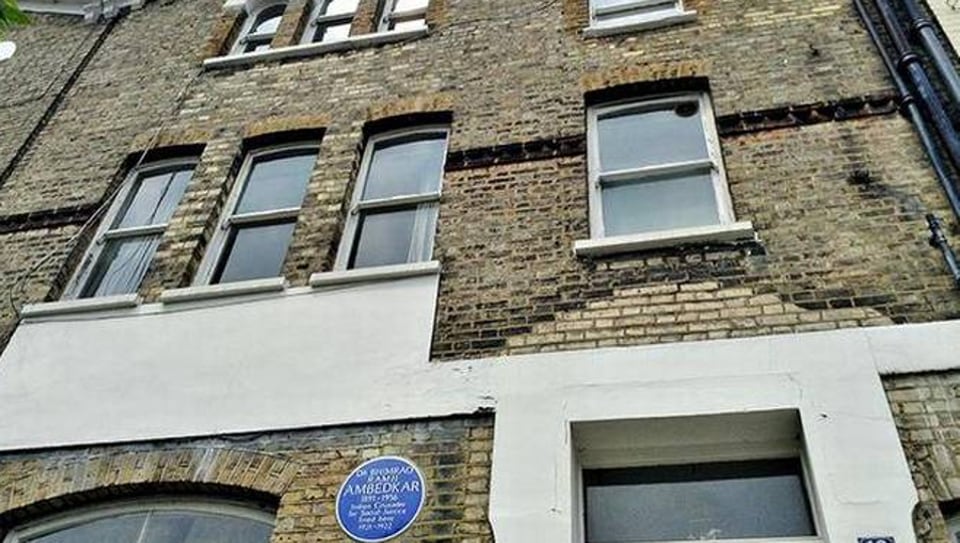
The council wants the house to be used for its original purpose and not a museum. Indian authorities had converted the four-storey house – 10 King Henry’s Road in Camden – into a museum for Ambedkar that included his statue, photo exhibition and library of his books after purchasing it for 3.1 million pounds in 2015.
The museum, inaugurated by Prime Minister Narendra Modi in November 2015, has since attracted visitors from India and the UK to pay respects to one of the icons of India’s freedom struggle and maker of modern India.
The appeal is due to be heard over several days and a decision is likely to be made in the next two weeks, council officials said. Its decision will be conveyed to the Ministry of Housing, Communities and Local Government.
Council officials and Indian lawyers presented their versions of the appeal before an independent inquiry panel. There are mixed views among residents in the area, with some objecting to the number of visitors.
Communities Secretary Robert Jenrick said: “Given the exceptional importance of Dr Ambedkar in the story of the creation of modern India, and the lasting contribution of the British-Indian community on the shared cultural heritage of our country, I have decided to recover the appeal for determination by the central Government.”
The decision to ‘recover the appeal’ means that the central government will decide the case based on a recommendation from an independent Inspector appointed by the planning Inspectorate.
The inspector will oversee the inquiry and prepare a report and recommendation for ministers.
The Indian high commission, which manages the house-museum, said it is “extensively engaged” with British authorities on the issue.
A blue plaque placed by English Heritage outside the house mentions Ambedkar living there while studying at the LSE. He first visited LSE in 1916, returned in 1921 and submitted his doctoral thesis titled ‘The Problem of the Rupee’ in March 1923.


