E-Paper



'India can't afford fearmongering': Sitharaman presses on 3Fs amid West Asia crisis
The finance minister said rising crude oil prices and a sharp increase in fertiliser costs have become major concerns for the economy.

 Prefer HTon Google


Union Finance Minister Nirmala Sitharaman on Monday said the government is closely monitoring the impact of the West Asia crisis on India’s economy, with a particular focus on the “3Fs” — fuel, fertiliser and foreign exchange reserves. Stressing that the country’s economic fundamentals remain strong, she said the Centre’s policy response has been calibrated to safeguard growth while managing external pressures.
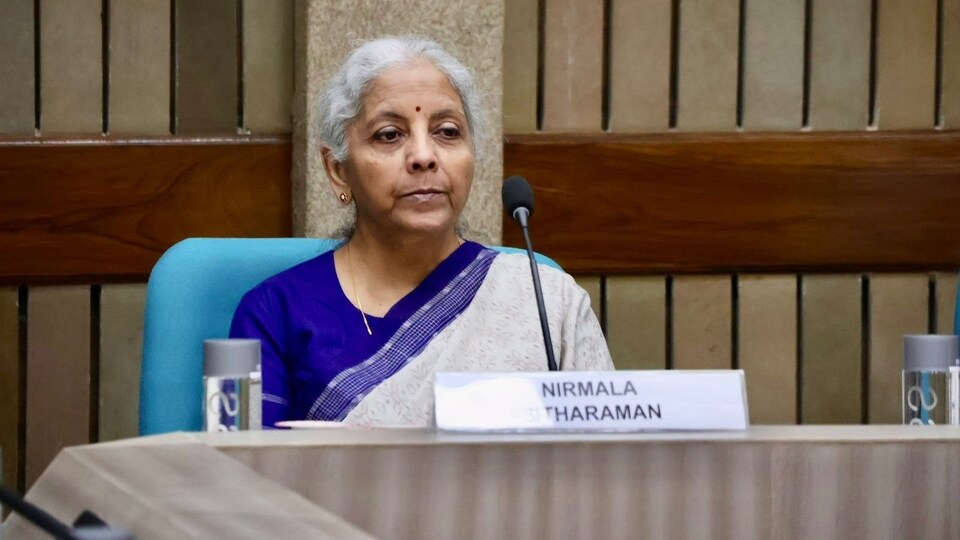
Speaking at an event marking the 37th anniversary of Small Industries Development Bank of India, Sitharaman said the recent reduction in excise duty on petrol and diesel would result in a revenue loss of nearly ₹1 lakh crore for the government, news agency PTI reported.
‘Challenges are externally driven’
The finance minister said rising crude oil prices and a sharp increase in fertiliser costs have become major concerns for the economy. She described fertiliser prices as having reached “unimaginable” levels and also pointed to high gold prices as a challenge on the external sector front.
Also read | Why India may not be done with petrol, diesel price hikes yet | Explained
“There is a need to focus on the three Fs of fuel, fertiliser and forex,” Sitharaman was quotes as saying by news agency PTI.
At the same time, she pushed back against what she described as attempts to create panic over the economic situation. Without naming anyone, the minister criticised “naysayers” for presenting a bleak picture despite what she said were positive efforts being made across the country.
“'All the good that is being done by the common people themselves, that is forgotten. And a pessimistic, cynical narrative is generated, which is just not right,” she said.
Also read | Reforms are the answer to India’s present crisis
“We should appreciate that the challenges are more externally driven. We must also recognise that India's domestic economic situation remains positive and resilient even today,” the FM said.
“India cannot afford fearmongering. We need to give confidence to the people with our words and with our actions,” she added.
MSME dues remain a concern
Sitharaman also raised concerns over delayed payments to micro, small and medium enterprises, saying around ₹8.1 lakh crore remains locked due to pending dues.
The minister urged public sector undertakings to ensure that payments to MSMEs are cleared within the mandated 45-day period and warned against unnecessary delays.
India reckoning with war's economic cost
The economic impact of the ongoing conflict in West Asia is beginning to reflect on India’s fuel and import outlook, with the government signalling the need for cautious spending amid rising global uncertainty.
Also read | Petrol to now cost ₹102 in Delhi, ₹111 in Mumbai: Check latest city-wise prices after hike
Earlier this month, Prime Minister Narendra Modi urged citizens to spend judiciously and avoid unnecessary purchases such as gold and foreign travel, indicating concerns over the economic fallout from the conflict.
Closure of Strait of Hormuz
The closure of the Strait of Hormuz has also raised concerns over possible disruptions in supplies of petroleum products and urea, both critical imports for India.
Fuel prices have seen repeated increases over the past two weeks. State-run oil marketing companies on Monday raised petrol prices by ₹2.61 per litre and diesel prices by ₹2.71 per litre. Since May 15, cumulative increases now stand at around ₹7.35 per litre for petrol and ₹7.53 per litre for diesel.
(With inputs from PTI)