
 E-Paper



India, Nepal to start flights under air bubble arrangement
Flights between the two countries and cross-border movement of people through several checkpoints were suspended following the outbreak of Covid-19

 Prefer HTon Google


India and Nepal have decided to start flights under a bilateral air bubble arrangement, people familiar with developments said on Thursday, marking another step by the two sides to normalise ties hit by a border row earlier this year.
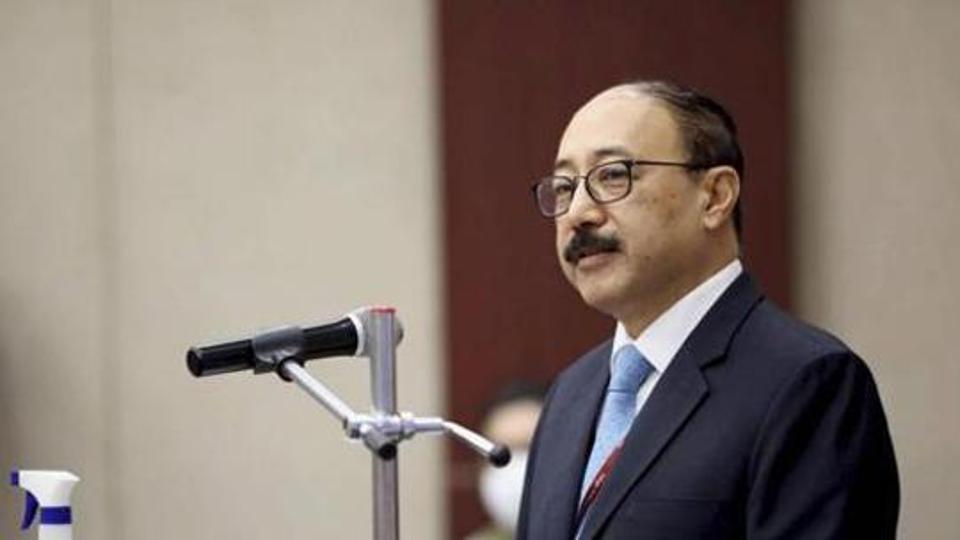
“Initially, we are starting with one daily flight from each side between Delhi and Kathmandu. From the Indian side, it will be Air India which had a daily flight between the two capitals in the pre-Covid-19 period,” one of the people cited above said on condition of anonymity.
Flights between the two countries and cross-border movement of people through several checkpoints were suspended following the outbreak of Covid-19. The movement of essential supplies and cargo, however, had continued as Nepal is largely dependent on imports from India.
The move follows a string of visits to Nepal by senior Indian officials to reset ties that were hit after Kathmandu issued a new political map in May that included Indian territories, including the strategic Kalapani region.
Following visits by Research and Analysis Wing chief Samant Goel and Indian Army chief Gen MM Naravane, foreign secretary Harsh Shringla travelled to Kathmandu last month for wide-ranging talks with the Nepalese leadership to take forward bilateral ties, especially in connectivity and trade. The two sides also agreed to respect each other’s sensitivities and handle the border issue through existing mechanisms.
The people cited above said the creation of a bilateral air bubble arrangement had been proposed to Nepal by the Indian side some time ago, and Kathmandu had cleared the move after Shringla, during his recent visit, highlighted the importance of people-to-people connectivity in the special relations between the two sides.
“We are starting the air bubble arrangement with Indian and Nepalese nationals and holders of Overseas Citizenship of India (OCI) and Person of Indian Origin (PIO) cards of all nationalities, and all valid Indian visa holders, except tourist visas,” said the person cited above.
The air bubble arrangement will follow all medical protocols as is done with other countries that have similar arrangements, and this includes reverse transcription polymerase chain reaction (RT-PCR) test report of 72 hours prior to the travel, the people said.
India currently has air bubble arrangements with 22 countries, including the US, the UK, the United Arab Emirates, Qatar, Oman, Tanzania, the Netherlands, the Maldives, Japan and Bangladesh.



