E-Paper



India remains sceptical of Hafiz Saeed’s sentencing
Noting that the verdict came just four days before a plenary meeting of FATF in Paris will assess action taken by Pakistan to counter terror financing, a person said that Saeed’s sentencing was “part of a long pending international obligation of Pakistan to put an end to the support for terrorism”.


India remains sceptical about the conviction and sentencing of Lashkar-e-Taiba (LeT) founder Hafiz Saeed days ahead of a meeting of the Financial Action Task Force (FATF), with people in New Delhi familiar with developments saying on Thursday that Pakistan should do more to end terrorism emanating from its territory.
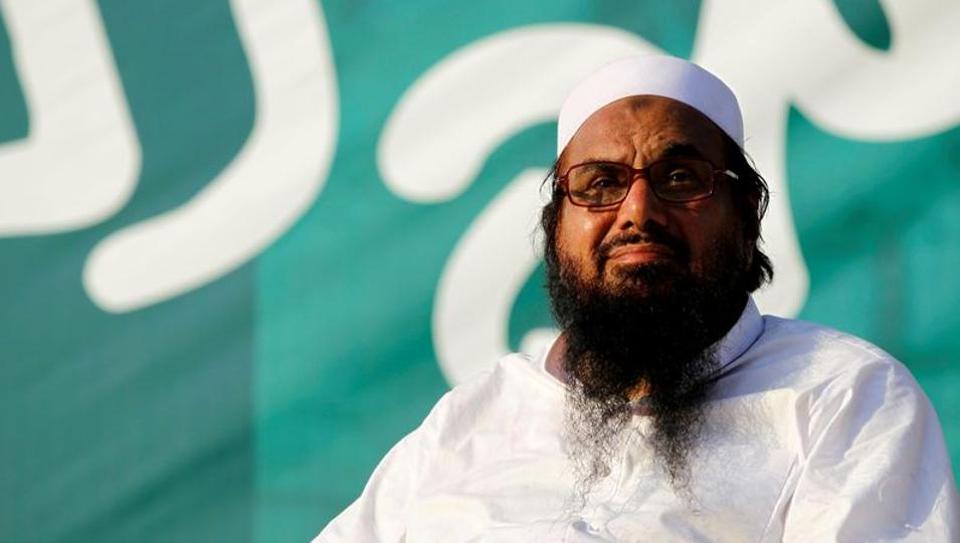
Saeed, the 69-year-old head of the Jamaat-ud-Dawah (JuD), and an aide, were both given five-and-a-half year jail terms in two cases of terror financing by an anti-terrorism court in Lahore on Wednesday. Saaed can appeal against the verdict in higher courts.
The people cited above, who declined to be named, said the Indian government saw media reports about the Pakistani court sentencing the UN-designated and internationally proscribed terrorist in terror financing cases.
Noting that the verdict came just four days before a plenary meeting of FATF in Paris will assess action taken by Pakistan to counter terror financing, a person said that Saeed’s sentencing was “part of a long pending international obligation of Pakistan to put an end to the support for terrorism”.
The person added: “The decision has been made ahead of the FATF plenary meeting, which has to be noted. Hence, the efficacy of this decision remains to be seen.”
Western diplomats believe the FATF meeting will retain Pakistan in the “grey list”, in which it was placed in 2018, as Islamabad has not fully complied with a 27-point action plan to stamp out terror financing and money laundering.
The people cited above said it also remains to be seen whether Pakistan would take action against all other terrorist entities and individuals operating from territories under its control, and bring the perpetrators of cross-border terrorist attacks, including in Mumbai and Pathankot, to justice expeditiously.
The trial of seven people, including LeT operations commander Zakiur Rehman Lakhvi, has floundered in a Pakistani anti-terrorism court for more than a decade with no visible results. Lakhvi was released on bail in April 2015 and his current whereabouts are not known.
Pakistani officials have said the trial has not progressed because more evidence and information is required from India, but this claim has been rejected by Indian authorities.
The US, however, was more supportive of the conviction of Saeed, with Alice Wells, the Trump administration’s pointperson for South Asia, describing it as an “important step”. But she too said that Pakistan Prime Minister Imran Khan should deliver on his pledge to prevent “non-state actors” to operate from Pakistani soil.
“Today’s conviction of Hafiz Saeed and his associate is an important step forward – both towards holding LeT accountable for its crimes, and for #Pakistan in meeting its international commitments to combat terrorist financing,” Wells tweeted on Wednesday.
“And as @ImranKhanPTI has said, it is in the interest of #Pakistan’s future that it not allow non-state actors to operate from its soil,” she added.