
 E-Paper



India seeks details from Singapore, Hong Kong after ban on MDH, Everest spices: Report
MDH, Everest row: The commerce ministry has reportedly directed Indian embassies in Singapore and Hong Kong to send a detailed report in the matter.

 Prefer HTon Google


Days after Hong Kong and Singapore banned the sale of the two popular Indian spice brands in the country - MDH and Everest - over their quality concerns, the Centre has sought details from their food safety regulators, reported Reuters citing government officials.
The Union commerce ministry has reportedly directed the Indian embassies in Singapore and Hong Kong to send the technical details, analytical reports and the details of the exporters whose consignments have been rejected. According to the officials, the root cause of the ban and corrective actions will be determined along with the concerned exporters, reported Reuters.
On Monday, the Food Safety and Standards Authority of India (FSSAI) had ordered quality checks on products of MDH and Everest Group following allegations of them containing a cancer-causing pesticide. According to a report, the inspections are testing for the presence of ethyleneoxide - a harmful pesticide unfit for human consumption and whose long-term exposure can cause cancer.
Why did Hong Kong, Singapore ban MDH, Everest spices?
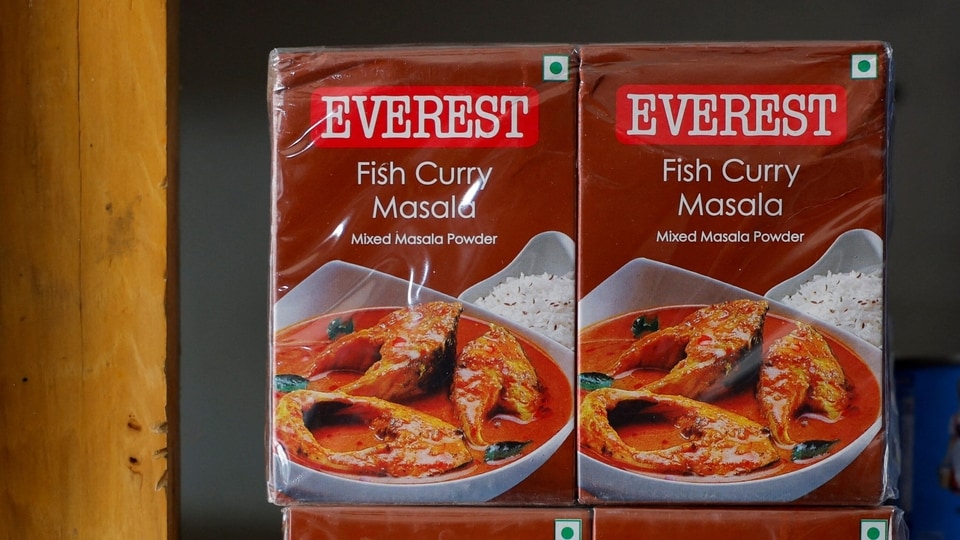
According to the Centre For Food Safety of the government of the Hong Kong Special Administrative Region, they detected the presence of carcinogenic pesticide ethylene oxide in several spice mixes of the two brands. In a notice issued by the Hong Kong authorities, it was mentioned that the country's food regulator collected samples of three of MDH's pre-packaged spice products - 'Madras Curry Powder', 'Sambhar Masala Powder' and ‘Curry Powder’; and Everest Group's 'Fish Curry Masala' for testing under its routine food surveillance programme when it detected the presence of the pesticide.
Following this, the CFS instructed the concerned vendors in Tsim Sha Tsui city to stop selling those products and remove them from their shelves.
“The International Agency for Research on Cancer has classified ethylene oxide as a Group 1 carcinogen. According to the Pesticide Residues in Food Regulation (Cap. 132CM), a food for human consumption containing pesticide residue may only be sold if consumption of the food is not dangerous or prejudicial to health. An offender is liable to a maximum fine of $50,000 and imprisonment for six months upon conviction,” the notice read.
Shortly after this, the Singapore authorities also directed the importer of the spices to initiate a recall of the products and imposed a ban.
“Those who have consumed the implicated products and have concerns about their health should seek medical advice. Consumers may contact their point of purchase for enquiries,” the Singapore Food Agency (SFA) said.
Meanwhile, the Spices Board of India is looking into the ban, reported Reuters.
(With inputs from Reuters)


