E-Paper



India urges all sides in Myanmar to end violence, calls for restoration of democracy
External affairs ministry spokesperson Arindam Bagchi described the violence as “disturbing” and reiterated India’s call for peaceful resolution of all issues

 Prefer HTon Google


India on Thursday urged all sides in Myanmar to end violence after more than 150 people were killed in an air strike by the military junta in Sagaing region and pushed for the restoration of peace and democracy in the neighbouring country.
The official death toll in the air strike near remote Kanbalu township in central Sagaing region on Tuesday remains unclear, though the shadow National Unity Government (NUG) has said 165 people, including women and children, were killed while 30 more were injured.
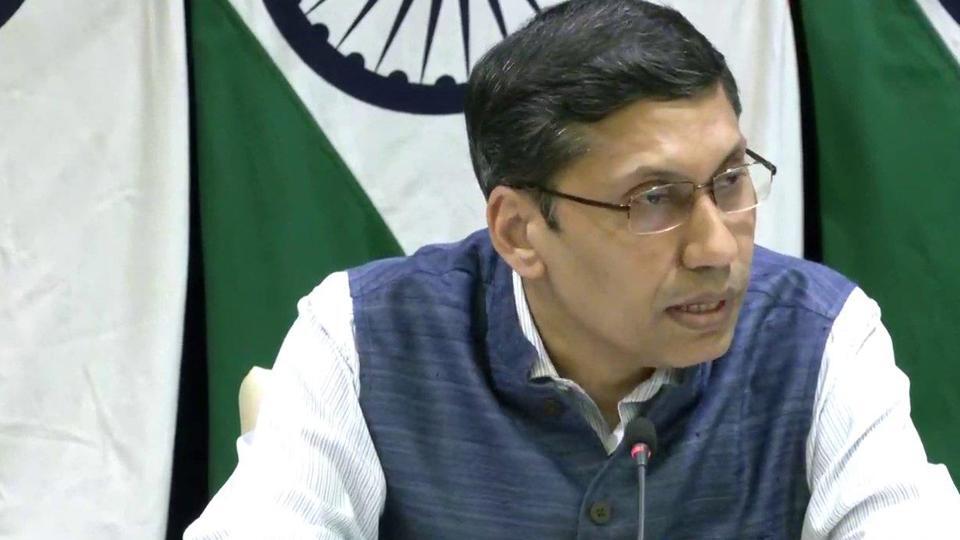
External affairs ministry spokesperson Arindam Bagchi described the violence as “disturbing” and reiterated India’s call for peaceful resolution of all issues.
Also Read: Myanmar air strike death toll rises to at least 130: Report
“We have seen disturbing reports of violence on April 11 near Kanbalu township in the Sagaing region of Myanmar. As a neighbour and friend of the people of Myanmar, we have repeatedly called for cessation of violence by all sides and peaceful resolution of all issues,” he told a media briefing in response to a question.
“India reiterates its call for a return of peace, stability and democracy in Myanmar,” he added.
India has largely refrained from criticising the actions of Myanmar’s military junta since it seized power in a coup in February 2021, ousting the democratically elected government and imprisoning its leader Aung San Suu Kyi.
India’s position is largely linked to security concerns related to the northeastern states that border Myanmar and fears that any pressure could push the junta closer to rival China.
New Delhi has also sought to engage the junta to nudge it to restore democracy and to address the issue of Myanmarese citizens seeking refuge in northeastern states such as Mizoram.
Myanmar’s junta has carried out several air strikes and ground attacks against resistance forces, including groups aligned to NUG, while claiming that such actions were directed against “terrorist” targets.
Tuesday’s air strike targeted a crowd of some 300 that gathered for the opening of a local administration office by NUG. The junta claimed it “launched limited air strikes” and said the military tried to minimise harm to civilians.
“We heard that more people were killed because of big explosions from weapons and ammunitions...displayed at the opening event,” a junta statement said. Junta spokesman Maj Gen Zaw Min Tun said the dead included resistance fighters in uniform and blamed mines planted by the People’s Defence Force for some deaths.
The junta doesn’t control Sagaing region, which was once a key base for anti-India insurgent groups from the northeastern states. Some of these groups continue to have a presence in this area. The Indian side has been concerned about the fallout of the violence in Myanmar’s border areas spilling over the northeast, people familiar with the matter said.
Myanmar shares a 1,640-km border with the northeastern states, including Nagaland and Manipur.