
 E-Paper



India-US two-plus-two dialogue likely in early July
While India has proposed the date of July 6 for the meeting between external affairs minister Sushma Swaraj and defence minister Nirmala Sitharaman and secretary of state Mike Pompeo and secretary of defence Jim Mattis in Washington, the US is still to confirm the date.

 Prefer HTon Google


The much-awaited India-US two-plus-two dialogue is expected to take place in the first week of July with the impact of Countering America’s Adversaries Through the Sanctions Act (CAATSA) on New Delhi’s national and energy security needs high on the agenda. The 2017 US federal law has been used to impose sanctions on Iran, North Korea and Russia this January.
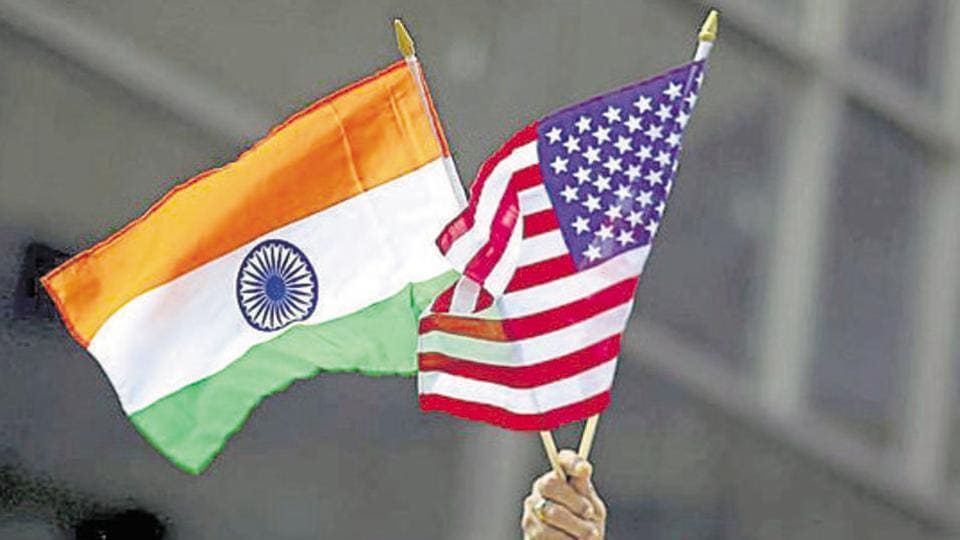
While India has proposed the date of July 6 for the meeting between external affairs minister Sushma Swaraj and defence minister Nirmala Sitharaman and secretary of state Mike Pompeo and secretary of defence Jim Mattis in Washington, the US is still to confirm the date.
The two-plus-two dialogue was to take place on April 18-19 but was postponed due to appointment of a new secretary of state by US President Donald Trump.
South Block officials said on condition of anonymity that the dialogue has been shifted to the second half of the year because the US is going to be busy with North Korea next month. The meeting between US President Trump and his North Korean counterpart Kim Jong-un is due to take place on June 12 in Singapore.
While the first meeting of the two-plus-two dialogue will set the bilateral diplomatic and military agenda, India is worried about the adverse impact of the sanctions on its energy security (it imports a lot of oil from Iran) as well as military hardware purchases (Russia is a significant partner).
India currently purchases nearly 29 million tons of crude from Iran; almost 62% of its military hardware and ammunition comes from Russia.
Already, Mattis has urged the Senate armed service committee for a “flexible waiver authority” so that countries such as India are not punished when it comes to purchasing military equipment from Russia. India will also be needing a similar waiver when it comes to Iran due to oil imports and development of the Chabahar port for humanitarian aid to Afghanistan as Islamabad does not allow land corridor access to New Delhi.
Apart from the impact of CAATSA, the two-plus-two dialogue will also focus on all aspects of the bilateral relationship and the growing Chinese influence in Indo-Pacific region, including freedom of navigation in the South China Sea. The US and India are party of the so-called Quad initiative which seeks to counter China’s influence in the region.


