
 E-Paper



India-New Zealand FTA to come into force on October 20, Piyush Goyal says
The pact, he said, also facilitates significant investments of USD 20 billion over the next 15 years from New Zealand to India.

 Prefer HTon Google


The India-New Zealand Free Trade Agreement will come into force on October 20, a move which will help boost bilateral trade and investments between the two countries, Commerce and Industry Minister Piyush Goyal said on Monday.
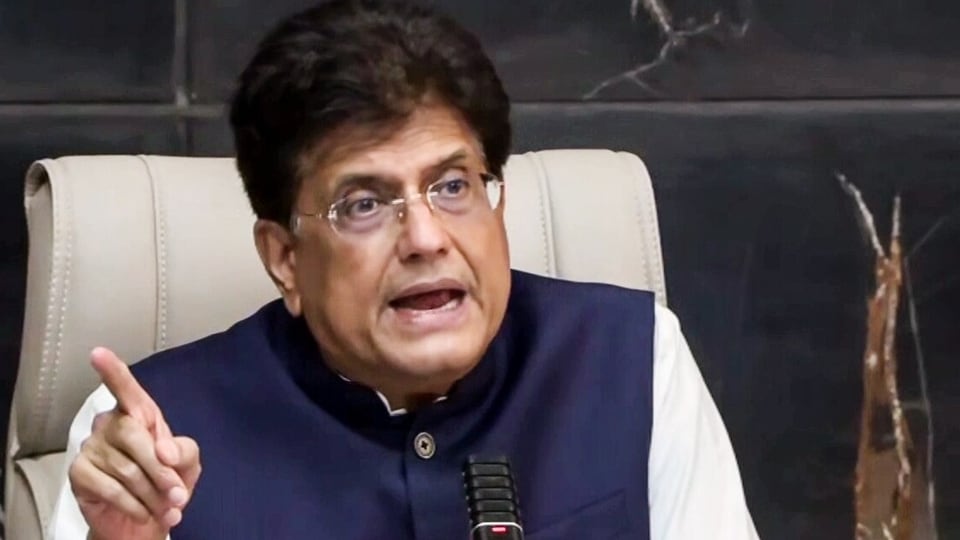
The agreement, which was signed on April 27, provides duty-free access for 100 per cent of India's exports to New Zealand right from the entry into force of the pact, he told reporters here.
The pact, he said, also facilitates significant investments of USD 20 billion over the next 15 years from New Zealand to India.
"We are taking forward the next important milestone in our bilateral economic partnership, the entry into force of the India-New Zealand Free Trade Agreement, which will come into force on the auspicious occasion of Dussehra on 20th of October, 2026, reflecting our shared commitment to build a stronger and a more ambitious economic partnership with New Zealand," Goyal said.
Also Read | India-New Zealand trade deal passes in NZ parliament; 95% of exports to get tariff cuts
He added that the pact also establishes an agricultural productivity partnership whereby New Zealand's technology will meet India's scale and growing demand.
For New Zealand, the agreement will provide preferential access to the large and fastest growing economy of the world, he said. New Zealand has committed to invest USD 20 billion over 15 years in India.
Currently, New Zealand maintains peak tariffs of up to 10 per cent on key Indian goods, including ceramics, carpets, automobiles and auto components.
"Looking forward, our immediate priority should be to ensure that the provisions of the agreement immediately translate into tangible benefits for businesses and people of India and New Zealand...Together, let's ensure that this FTA becomes a strong foundation for a deeper, more dynamic and mutually beneficial economic partnership between our two countries," he said.
The minister added that sensitive sectors like dairy, onions, chickpeas, peas, corn, almonds, artificial honey and sugar have been kept out of the trade deal.
New Zealand Trade Minister Todd McClay said that this is a high quality agreement that will deliver significant benefits for the citizens of the two countries.
He added that at a time of global economic uncertainties, the pact would give confidence to business communities of the two countries.
Further Goyal said that the duty free entry of Indian goods will provide an edge over goods of competitor nations in the Wellington market.
The USD 20 billion FDI commitment "will give capital to many of our manufacturing sectors, along with technology", Goyal said, adding that New Zealand companies will also be attracted to India to invest.
On ways to promote investments from New Zealand into India, he said, "We are looking at a specific desk which will look into the India-New Zealand partnership."
Both sides are aiming at doubling bilateral two-way trade in goods and services to NZ dollar 7 billion (about ₹35,000 crore) by 2030. In 2025-26, the bilateral trade stood at USD 1.1 billion.
Sectors that power livelihoods across the country – textiles and apparel, leather and footwear, gems and jewellery, engineering goods and processed foods – stand to gain immediately as New Zealand's peak tariffs of up to 10 per cent are eliminated.
Indian manufacturers will also benefit from tariff-free access to critical inputs such as wooden logs, coking coal and metal scrap, sharpening their competitive edge in global markets.


